


 Chinese AI Stocks Surge as Tencent, MiniMax, and Zhipu Launch Agentic AI Programs
  ANZ and Westpac Forecast Two RBA Rate Hikes in March and May 2026
  Dollar Strengthens Amid Oil Price Surge and Inflation Fears
  Gold Prices Climb Above $5,200 as Iran War Uncertainty and Inflation Data Loom
  IEA Plans Record Emergency Oil Release Amid Iran Strait of Hormuz Crisis
  Nations will release an extra 400 million barrels of oil to the market. All we need to do now is not panic at the pump
  Gold Prices Slip as U.S.-Israel-Iran War Fuels Dollar and Oil Demand
  RBA Set for Back-to-Back Rate Hikes, Westpac Forecasts
  Asian Currencies Face Pressure as U.S.-Iran Conflict Weighs on Markets
  IEA Releases Record 400 Million Barrels of Oil Amid U.S.-Iran War
  U.S. Solar Market Contracts in 2025 as Trump Rolls Back Renewable Energy Incentives
  Bank of Japan Expected to Hold Rates at 0.75% Before June Hike Amid Middle East War Uncertainty
  Iran-Israel War Sparks Global Oil Crisis as Tankers Burn in Gulf Waters
  Oil Prices Surge Toward $100/Barrel After Tanker Attacks in Iraqi Waters
  Dollar Stabilizes Amid Iran War Uncertainty as Oil Prices Remain Elevated
  U.S. Futures Slide as Oil Prices Surge on Middle East Shipping Attacks


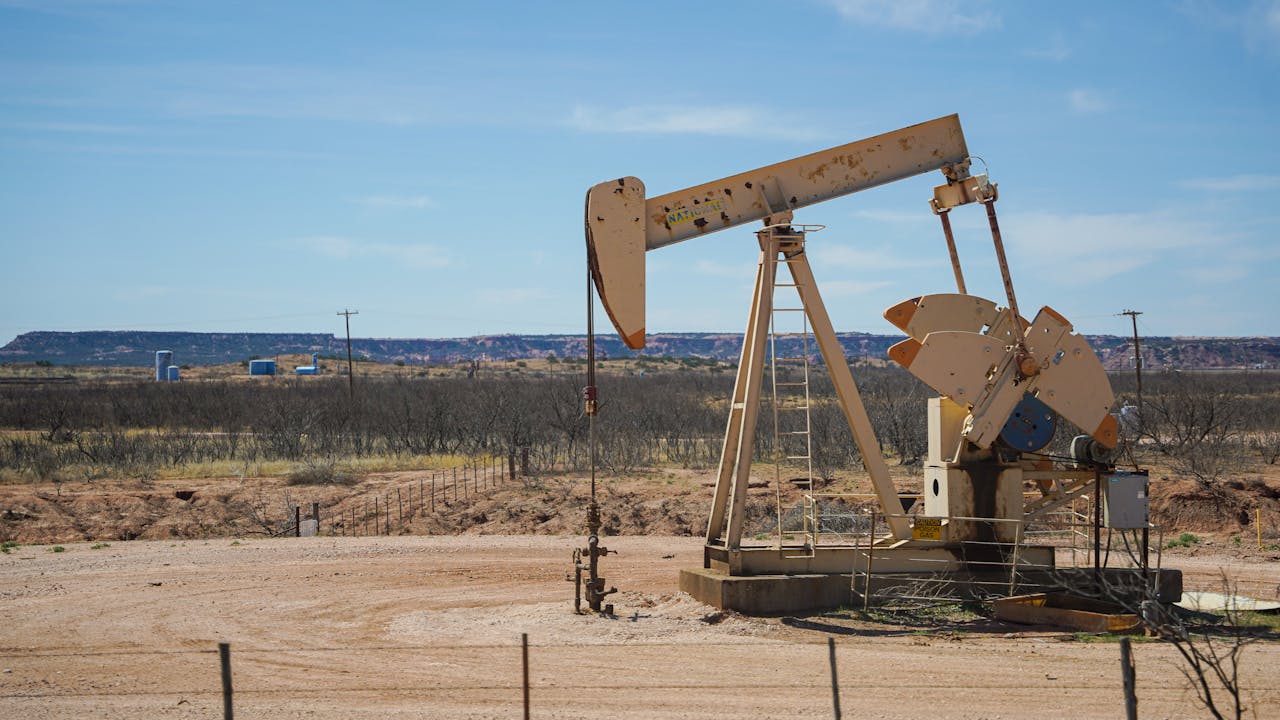
Oil prices edged slightly higher on Wednesday as traders remained cautious, balancing ongoing U.S.–Iran nuclear talks with fresh geopolitical risks and upcoming U.S. inventory data. Brent crude futures gained 23 cents, or 0.3%, to trade at $69.03 per barrel by 0100 GMT, while U.S. West Texas Intermediate crude rose 23 cents, or 0.4%, to $64.19 per barrel. The modest gains reflected a market waiting for clearer direction amid mixed signals from diplomacy and supply fundamentals.
Support for oil prices came from lingering geopolitical uncertainty in the Middle East, where negotiations between Washington and Tehran continue. Iran’s foreign ministry spokesperson said on Tuesday that recent nuclear talks with the United States helped Tehran assess Washington’s seriousness and showed sufficient common ground to continue pursuing diplomacy. The discussions, held in Oman last week, aimed to revive dialogue at a time of heightened military presence in the region.
Concerns escalated after U.S. President Donald Trump ordered a naval flotilla to the Middle East, raising fears of potential military confrontation. Although initial market reaction was muted following comments from Oman’s foreign minister describing the talks as productive, sentiment later shifted. Analysts at ANZ noted that optimism faded after reports suggested the U.S. could deploy a second aircraft carrier to the region if negotiations fail. Trump confirmed on Tuesday that he was considering such a move, even as both sides prepare to resume talks to avoid a new conflict.
Beyond geopolitics, traders are closely watching U.S. oil supply data for further cues. The market is awaiting weekly inventory figures from the U.S. Energy Information Administration, due later on Wednesday. A Reuters poll of analysts estimated that crude inventories increased by around 800,000 barrels in the week to February 6, while gasoline and distillate stocks likely fell by approximately 400,000 barrels and 1.3 million barrels, respectively.
Meanwhile, industry data from the American Petroleum Institute surprised markets, showing a much larger-than-expected rise of 13.4 million barrels in U.S. crude inventories for the same period. Together, diplomatic developments, inventory trends, and broader geopolitical risks continue to shape short-term oil price movements, keeping traders cautious but attentive.













