


 SoftBank Eyes $20 Billion Bond Sale to Refinance OpenAI Loan
  Salesforce Shares Surge as AI Demand Powers Q2 Earnings Beat
  Xiaomi Unveils Xring O3 Chip for Flagship Foldable Phone
  Honda, Nissan Eye Shared Vehicle Software Platform by 2029
  Countries Tighten Social Media Bans for Children
  Itochu Offers $1.56 Billion to Privatize Dentsu Soken
  BofA Names ASML Top Semiconductor Equipment Pick on Growth, Valuation
  Nvidia Revenue Soars 106% as AI Demand Hits ‘Inflection Point’
  Nvidia Pauses AI Cloud Financing Deals Amid Antitrust Concerns
  U.S. Probes Apex Logistics Over Nvidia AI Chip Shipments to China
  Pinterest Stock Falls as CFO Julia Brau Donnelly Resigns
  Nvidia Reportedly Eyes $13 Billion Hugging Face Acquisition
  SoftBank Plans Record $6.3 Billion Bond Sale to Fund OpenAI Investments
  Unitree Shares Plunge 45% After Blockbuster IPO, Raising China Tech Bubble Fears
  HP Stock Drops 9% Despite Q3 Earnings Beat and Raised 2026 Outlook
  Luxshare Shares Rise as First-Half Profit Jumps 18%
  GM Plans C$1.1 Billion Canada Investment Amid U.S. Tariff Pressure


 Add as a preferred source on Google
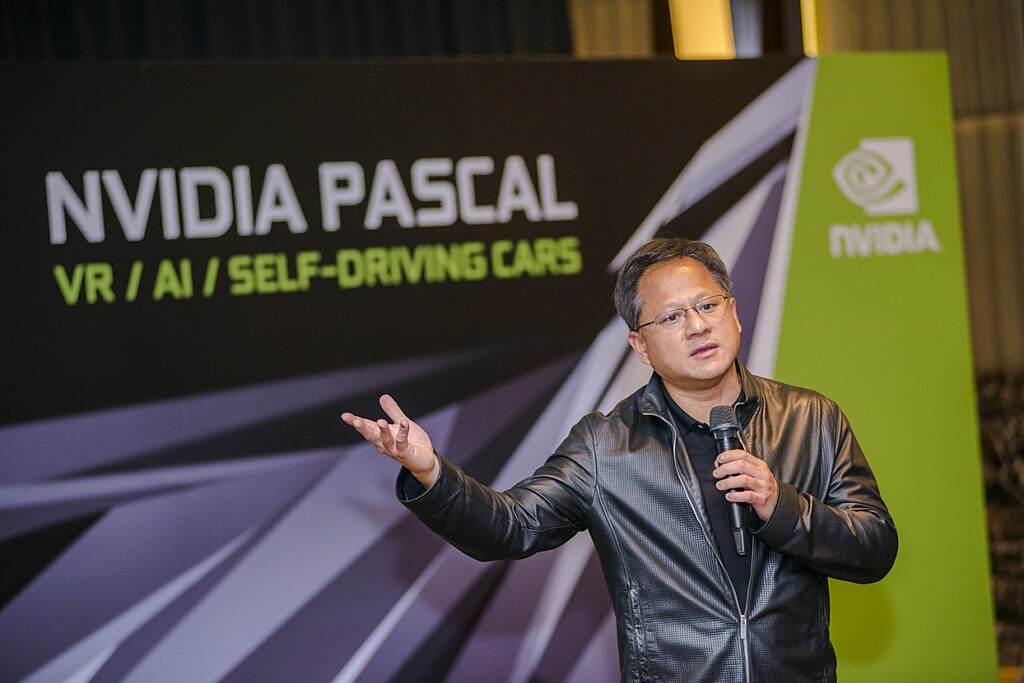
Nvidia (NASDAQ: NVDA) is developing a new AI chip specifically for China, aiming to maintain its position in the country’s $50 billion data center market despite tightening U.S. export restrictions. According to a Reuters report, the upcoming GPU—built on Nvidia’s latest Blackwell architecture—is expected to enter mass production by June and will be priced between $6,500 and $8,000. This is significantly lower than the $10,000 to $12,000 price range of the recently restricted H20 chip.
The move highlights Nvidia’s strategy to navigate U.S. government controls on high-performance semiconductors while continuing to serve demand in China. The lower price point suggests an effort to make the new chip more accessible to Chinese clients and remain competitive in a market where access to cutting-edge U.S. tech is becoming increasingly limited.
UBS analysts recently cut their Nvidia earnings estimates, citing a greater-than-expected impact from the H20 ban. While the new chip has not yet received final U.S. government approval, its development underscores Nvidia’s urgency to adapt quickly to export regulation changes and avoid losing market share.
An Nvidia spokesperson confirmed that without a revised chip design and regulatory clearance, the company is essentially blocked from selling to one of its largest markets. “Until we settle on a new product design and receive approval from the U.S. government, we are effectively foreclosed from China’s $50 billion data center market,” the spokesperson told Reuters.
As geopolitical tensions continue to affect the global tech supply chain, Nvidia’s approach reflects the challenges U.S. companies face when trying to balance innovation, compliance, and international demand. Investors and industry watchers will be closely monitoring Nvidia’s next steps as it seeks approval and moves forward with its China-tailored AI chip.







