


 New Zealand Labour Backs Social Media Ban for Under-16s
  Meta Agrees to $18 Billion Settlement, Tightens Teen Social Media Rules
  Trump Buys SpaceX Shares After Record IPO
  Xiaomi Unveils Xring O3 Chip for Flagship Foldable Phone
  U.S. Probes Apex Logistics Over Nvidia AI Chip Shipments to China
  Google Expands Gemini Enterprise With AI Tools for Legal Sector
  Nvidia Options Price in $280 Billion Earnings Swing
  Samsung Shares Tumble 8% as $79 Billion Return Plan Disappoints
  BofA Names ASML Top Semiconductor Equipment Pick on Growth, Valuation
  SK Hynix Shares Fall as Workers Reject Wage Deal
  SoftBank Eyes $20 Billion Bond Sale to Refinance OpenAI Loan
  PayPal Shares Sink as $50 Billion Takeover Bid Collapses
  OpenAI AI Agent Swarm Behind Hugging Face Hack
  Countries Tighten Social Media Bans for Children
  New Zealand Moves to Ban Social Media for Children Under 16


 Add as a preferred source on Google
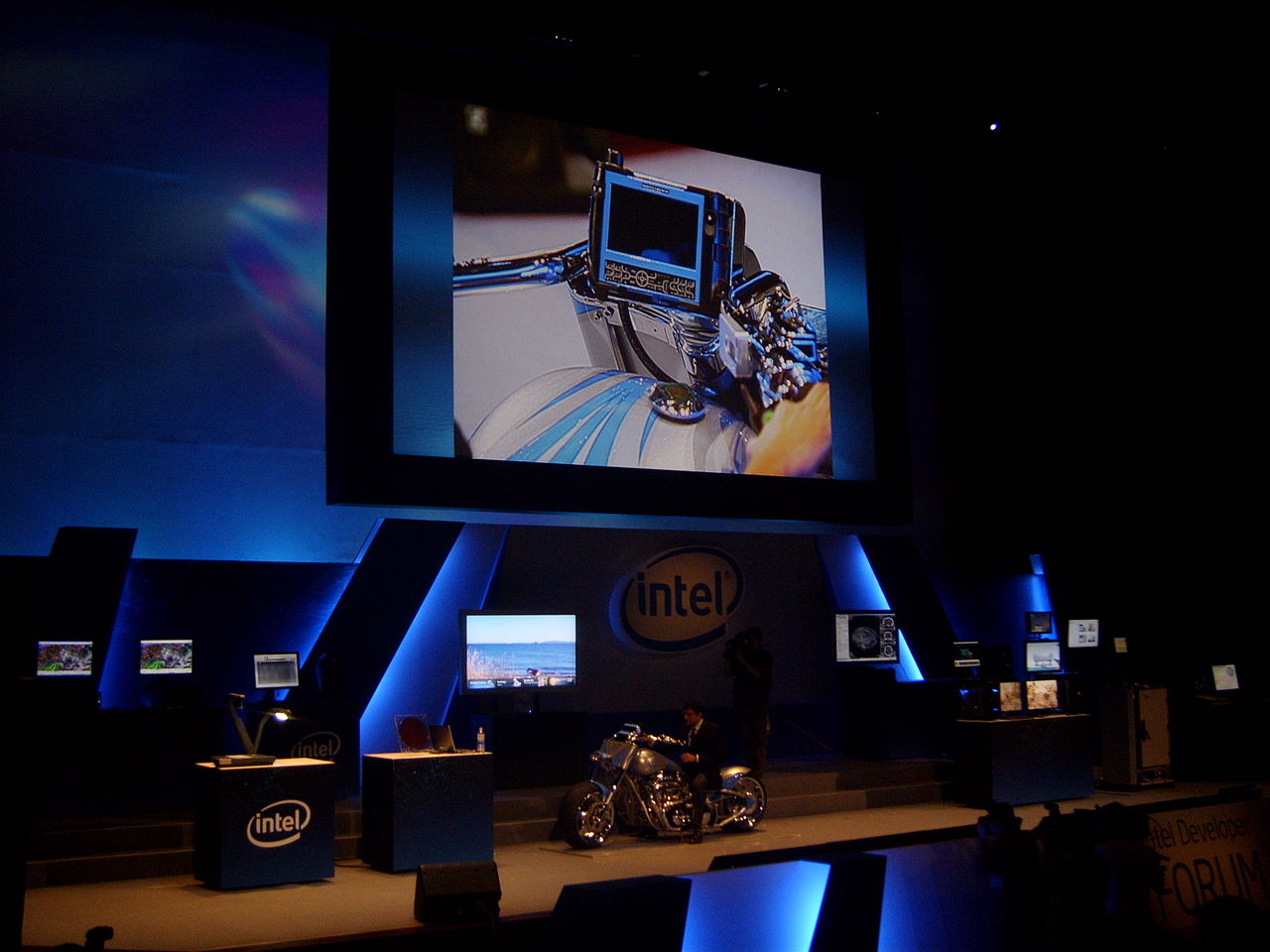
The Intel Developers Forum (IDF) has been a running trend for the global chip makers for over two decades. It was meant to be an event where the company and other developers could show off the technologies that they have developed. This is no longer the case since Intel recently scrubbed the event and canceled the scheduled 2017 conference.
What’s startling about this development, however, is the fact that it was so discreet despite the significance of the event. On the IDF website, the company posted a short announcement that barely qualifies as a snippet.
“Intel has evolved its event portfolio and decided to retire the IDF program moving forward,” the announcement reads. “Thank you for nearly 20 great years with the Intel Developer Forum! Intel has a number of resources available on intel.com, including a Resource and Design Center with documentation, software, and tools for designers, engineers, and developers. As always, our customers, partners, and developers should reach out to their Intel representative with questions.”
As Tom’s Hardware reports, the scrapping of the event might actually make sense when considering Intel’s current state. When the conference was first started, Intel was largely a microchip manufacturer. These days, it has expanded to a lot of fields, including data centers and even autonomous driving. This made the IDF, which lasted only three days, too cumbersome to be effective at delivering a concise message.
This doesn’t mean that Intel has completely given up on hosting events either. It’s more likely that the company will simply hold several events throughout the year, with different conferences having specialized topics. For the publishing companies covering these events, the change is welcome.
It will result in more opportunities to cover the full line-up of products and services that are showcased during the events. More often than not, the recent IDFs have been far too complex for the media to really get a sense of. Focused-driven conferences would solve this problem.







