


 Shein Reports $99 Million Loss Ahead of Hong Kong IPO as U.S. Tariffs Hit Sales
  BHP, Port Hedland Unions Fail to Reach Wage Deal as Negotiations Continue
  CATL Shares Jump as $5.6 Billion Buyback Signals Confidence in Long-Term Growth
  ASML, Applied Materials Slide as China DUV Chip Equipment Breakthrough Sparks Market Jitters
  SpaceX Stock Slump Wipes Out Nearly $700 Billion From Elon Musk’s Paper Wealth
  Meta CEO Zuckerberg Opposes U.S. Ban on Chinese AI Models, Warns Against Overregulation
  Zabka Shares Drop 10% as Seven & i Abandons Investment Plans
  TSMC Gradually Restarts Japan Chip Plant After Kumamoto Earthquake
  Brown-Forman Rejects Sazerac’s $15 Billion Takeover Bid as Family Backs Independence
  CXMT IPO Debut in Shanghai Puts $85.5 Billion Chipmaker in Spotlight
  Barclays Q2 Profit Beats Forecasts as Investment Banking Strength Offsets Higher Costs
  Galp Shares Fall After Q2 EBITDA Miss Despite Profit Beat and Higher Dividend
  Zhongji Innolight Raises $6.8 Billion in Hong Kong IPO as AI Demand Fuels Growth
  Unilever Raises 2026 Sales Outlook After Strong Q2 Volume Growth
  Nvidia Eyes $250B Guarantee for OpenAI’s Massive Ohio AI Data Center Project
  Air Liquide Q2 Sales Growth Tops Forecast as Electronics Business Drives Strong Performance
  X Challenges Australia’s Expanded Social Media Ban Enforcement Powers


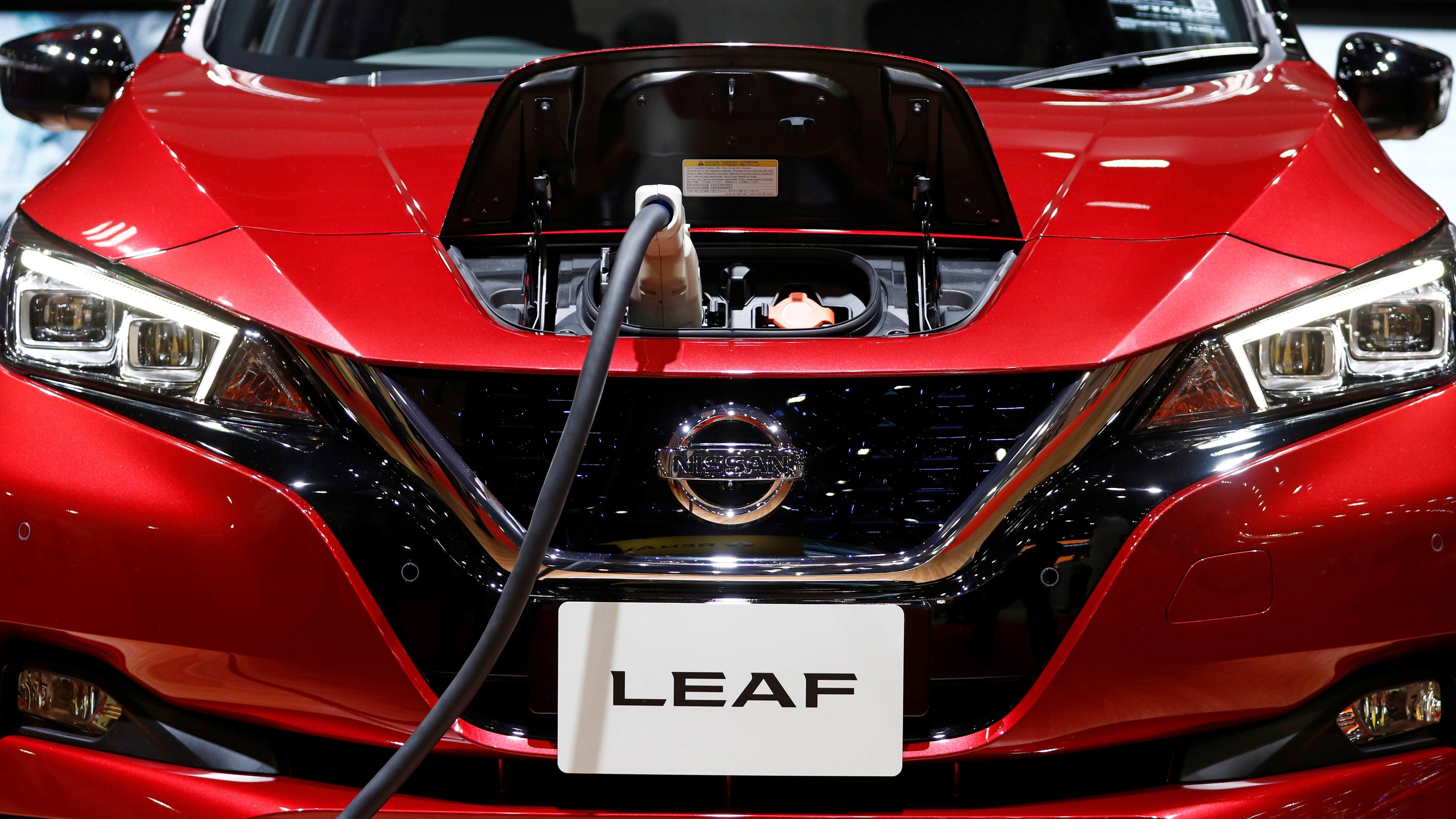
Nissan Motor Co. claimed having reached a breakthrough in achieving a 50 percent thermal efficiency with its development of e-Power hybrid technology that could further reduce carbon dioxide emissions.
The e-Power technology uses a gasoline engine to charge a battery that powers the vehicle.
To achieve its goal, Nissan strengthened in-cylinder gas flow and ignition, which burns a more diluted air-fuel mixture at a high compression ratio.
This new thermal efficiency level would improve fuel consumption in its upcoming e-Power engine by 25 percent over the current auto industry average range of 40 percent thermal efficiency.
Nissan, which describes its latest approach to engine development as having raised the bar to world-leading levels, did not disclose when it would launch its e-Power technology.
According to Toshihiro Hirai, Nissan's senior vice president of the powertrain and EV engineering division, the automaker is maximizing the thermal efficiency of e-Power to reduce CO2 emissions while driving.
Hirai noted that while it took 50 years to increase the thermal efficiency of conventional engines from 30 to 40 percent, the e-Power can boost it to 50 percent in several years.
All of Nissan's new models in key markets would be electric by the early 2030s to achieve carbon neutrality by 2050. The company expects sales of over one million electric vehicles per year by the end of fiscal 2023.







