


 Meta Pauses Employee Activity Tracking Program Over Data Security Concerns
  SpaceX Stock Plunges 16% as KeyBanc Warns Valuation May Be Overstretched
  Frank Stronach Found Guilty of Sexual Assault and Indecent Assault in Ontario Court
  Apollo Debt Solutions Limits Redemptions as Withdrawal Requests Surge
  Heineken Names JDE Peet’s CEO Rafael Oliveira as New Chief Executive
  DOJ Opens Investigation Into NYC Coffee Shop Over Anti-Goldman Social Media Post
  John Jumper Leaves Google DeepMind for Anthropic Amid Intensifying AI Talent Race
  WiseTech Global Denies Knowledge of Investigation Into Founder Richard White
  Ukrainian Drone Makers Target Japan and Asia Defense Market
  China Adds MP Materials, USA Rare Earth to Export Control List Amid Escalating U.S.-China Trade Tensions
  JPMorgan Sees Strong Strategic Value in Potential AbbVie Acquisition of Apogee Therapeutics
  KPMG Australia Chairman and Senior Partners Exit Amid Escalating Whistleblower Scandal
  NHTSA Investigates Fatal Tesla Model 3 Crash in Texas Amid Ongoing Autopilot and FSD Safety Scrutiny
  Baseten Secures $1.5 Billion Funding at $13 Billion Valuation Amid AI Infrastructure Boom
  Qualcomm Nears $4 Billion Acquisition of AI Chip Startup Modular
  TD Bank Expands Employee Monitoring Software to Boost Productivity Amid Privacy Concerns


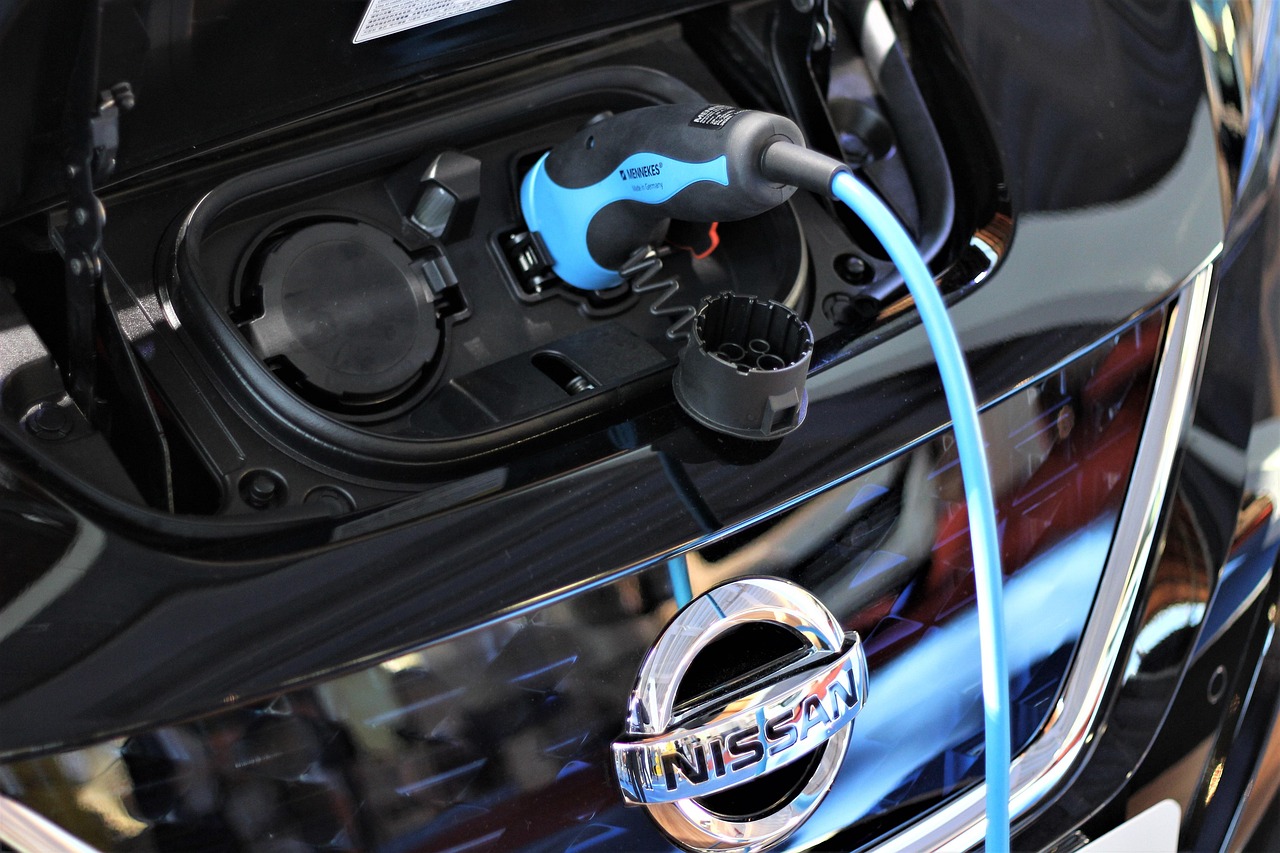
Nissan has reportedly stopped development of a fully electric version of its popular Qashqai SUV as the Japanese automaker restructures its business and adapts to growing competition in the European electric vehicle (EV) market.
According to sources familiar with the matter, work on the electric Nissan Qashqai was quietly halted in early 2025 as the company focuses on cost-cutting measures and streamlining its global vehicle lineup. The decision comes as both established automakers and emerging Chinese EV brands continue to introduce more affordable electric cars across Europe, increasing pressure on traditional manufacturers.
The Nissan Qashqai remains one of the company’s most important models, accounting for approximately 45% of Nissan’s 330,000 vehicle sales in Europe during 2025. While the SUV is currently available in petrol and hybrid versions, plans for a fully electric Qashqai were originally announced in 2023 as part of Nissan’s commitment to expand EV production at its Sunderland plant in the United Kingdom.
Although shelving the project may reduce costs in the short term, sources indicate that even if Nissan decides to revive the electric Qashqai program, the vehicle is unlikely to reach the market before the early 2030s. This delay could leave Nissan behind competitors in one of Europe’s most important automotive segments.
Nissan stated that it remains committed to expanding its electrified vehicle portfolio, which includes hybrid and electric models. The company also highlighted ongoing volatility in European EV demand and emphasized its strategy of maintaining a balanced approach to vehicle electrification.
The automaker is currently discussing potential financial support with the UK government regarding future plans for the Sunderland manufacturing facility, which employs around 6,000 workers. Nissan recently unveiled an electric Juke crossover for production at the site and continues to manufacture the electric Leaf there.
The decision reflects a broader shift in Nissan’s global strategy. Earlier this year, the company canceled plans for two electric SUVs at its Mississippi plant in the United States and announced plans to reduce its global model lineup from 56 vehicles to 45. Additionally, a proposed electric powertrain project at Sunderland operated by Nissan subsidiary JATCO has also been discontinued.
As EV demand fluctuates and regulatory uncertainty continues, Nissan appears to be prioritizing flexibility, hybrid technology, and long-term profitability over aggressive electric vehicle expansion.







