


 Xiaomi Unveils Xring O3 Chip for Flagship Foldable Phone
  Countries Tighten Social Media Bans for Children
  Nvidia Reportedly Eyes $13 Billion Hugging Face Acquisition
  U.S. Disrupts China-Linked Hacking Campaign Targeting Government Agencies
  Luxshare Shares Rise as First-Half Profit Jumps 18%
  Nvidia Pauses AI Cloud Financing Deals Amid Antitrust Concerns
  Faraday Future Delivers First Robots in Middle East, Plans September Launches
  U.S. Probes Apex Logistics Over Nvidia AI Chip Shipments to China
  Nvidia Revenue Soars 106% as AI Demand Hits ‘Inflection Point’
  SK Hynix Shares Fall as Workers Reject Wage Deal
  Pinterest Stock Falls as CFO Julia Brau Donnelly Resigns
  Meta, U.S. States Discuss Settlement in Teen Addiction Trial
  OpenAI AI Agent Swarm Behind Hugging Face Hack
  BofA Names ASML Top Semiconductor Equipment Pick on Growth, Valuation


 Add as a preferred source on Google
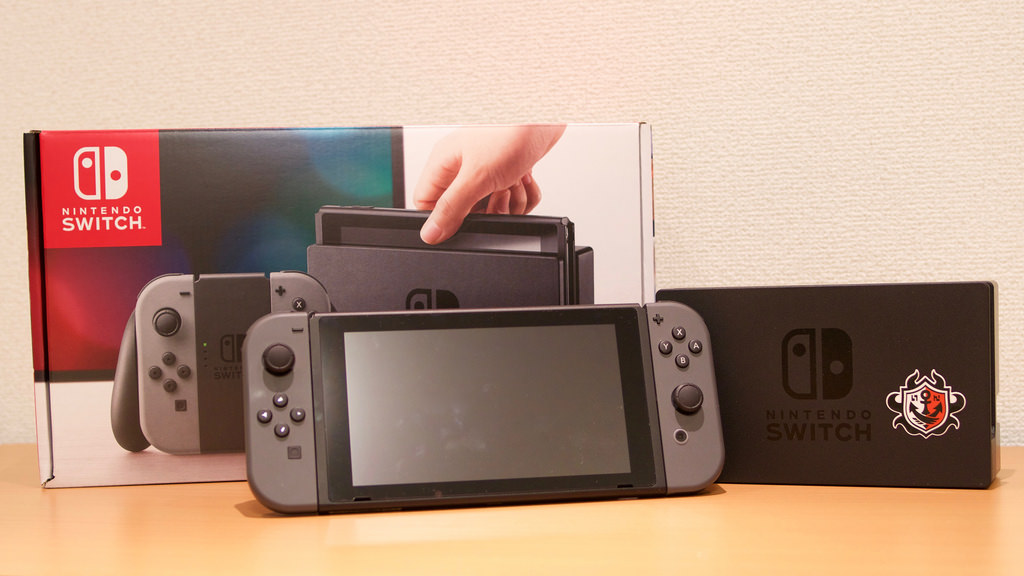
Although it has the reputation of being one of the world’s leading video game companies, Nintendo has a track record of being terrible at managing its hardware production. There’s always a shortage, which has led people to believe that the company was engaging in “artificial scarcity” practices. With the recent news that revealed how Nintendo had to air ship Switch units, this myth just got busted.
As Forbes notes, a lot of Nintendo fans have been floating the idea of “artificial scarcity” due to how often stores run out of its products. The idea basically hinges on the possibility that the company was trying to create the illusion of a must-have product by intentionally limiting the supply of the products.
In a recent interview with The Wall Street Journal, however, a spokesperson revealed that Nintendo was so desperate to meet the overwhelming demand for the Switch that it actually had to ship supplies via airplanes back in March. This is a huge deal because air shipping is considerably more expensive compared to using actual ships, but it gets the products to their destination a lot faster.
Just to put this development in perspective and really show what Nintendo had to do to meet the demands of its fans, an estimate put the cost of the air shipping at an additional $45 per Switch console. If the Japanese video game company had wanted to create an illusory scarcity to bump sales, air shipping would never have been considered.
So, why exactly do stores keep running out of Nintendo products? Well, some are saying that the answer simply has to do with the company’s terrible judgment in terms of how well its hardware would sell.
The video game giant was understandably cautious about manufacturing more Switch units because of the trauma it experienced with the terribly underperforming Wii U. When it became clear that it had a hit on its hands, Nintendo had to scramble to get enough parts and raw ingredients to make more. This would certainly make production slow-going.







