


 Asian Currencies Weaken as Dollar, Oil Prices Rise
  U.S. Stock Futures Steady as AI, Rate Concerns Weigh
  XRP Price Targets $1.70 as Bullish Momentum Builds
  Fed Rate Hike Threatens Housing as U.S. Growth Leans on AI, Citi Says
  Trump Eyes $54 Billion South Korean Investment in Alaska LNG
  Fed’s Hammack Says Bond Yield Surge Is Not Driven by Inflation Fears
  Central Banks Could Buy 20,000 Tonnes of Gold: BofA
  Yen in Focus as BOJ, Fed Rate Hikes Reshape Currency Markets
  Nvidia China Chip Sales Report Sends Chinese Semiconductor Stocks Lower
  RBI Uses $10 Billion Currency Swaps to Drain Excess Rupee Liquidity
  Global Central Banks Brace for More Rate Hikes as Inflation Risks Rise
  Fed Unveils Stablecoin Rules Under GENIUS Act
  BOJ Set to Raise Rates to 1.25% as Inflation Risks Build


 Add as a preferred source on Google
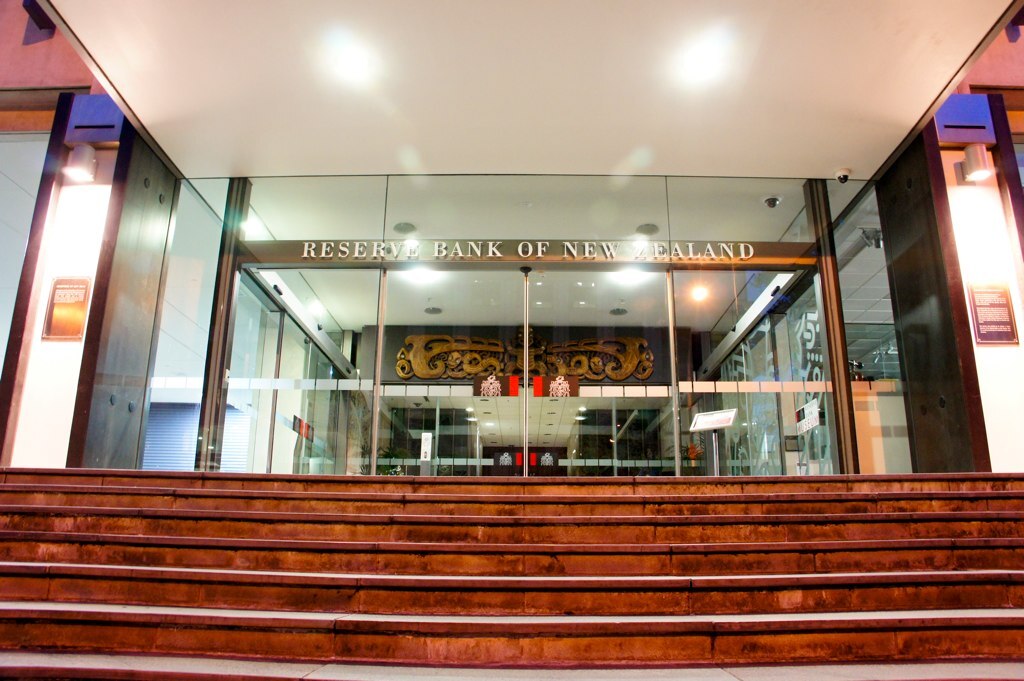
New Zealand’s economy contracted more than expected in the second quarter of 2025, intensifying pressure on the Reserve Bank of New Zealand (RBNZ) to deliver a sharper rate cut next month. Official data released Thursday showed gross domestic product (GDP) fell 0.9% quarter-on-quarter, compared with forecasts of a 0.3% decline from both analysts and the central bank.
The economy has now contracted in three of the past five quarters, signaling persistent weakness. Annual GDP dropped 0.6%, against expectations of flat growth, highlighting the depth of the slowdown. The construction industry remained in decline, while manufacturing output and professional services also posted losses.
Markets quickly priced in steeper monetary easing. Two-year swap rates slid 10 basis points to 2.7290%, their lowest since early 2022. The New Zealand dollar fell 0.5% to $0.5932, retreating from an overnight peak of $0.6007. Investors now anticipate 58 basis points of cuts to the official cash rate (OCR), compared with 48 basis points before the data. Odds of a 50-basis-point cut in October have climbed to 20%.
Westpac senior economist Michael Gordon noted that the weaker-than-expected GDP outcome would “encourage the RBNZ in its intentions to cut the OCR further this year.”
The central bank had already signaled two more rate cuts in 2025, pointing to sluggish household and business spending, rising essential costs, falling employment, and weakening house prices. New Zealand slipped into a technical recession in late 2024 before posting sluggish growth in early 2025, leaving policymakers under pressure to revive demand.
With the latest figures underscoring deeper-than-expected economic stress, markets and analysts increasingly expect the RBNZ to act more aggressively to support growth.







