


 Alphabet Q2 Earnings Beat Estimates as AI Spending, Google Cloud Growth Fuel Outlook
  GE Vernova Q2 Revenue Tops Estimates as Earnings Miss, Shares Slide Despite Higher 2026 Outlook
  Tabletop particle accelerator could transform medicine and materials science
  Super Micro Computer Stock Jumps 20% After Record AI Orders and Margin Surge
  Domino’s Weighs Appeal After Australian Court Rules Workers Were Misled on Pay
  Gold Price Climbs Above $4,130 as Middle East Tensions Boost Safe-Haven Demand
  Elon Musk Fuels SpaceX-Tesla Merger Speculation After Earnings Call
  Scandinavian Tobacco Group Sells BREAK and Moro Brands to Japan Tobacco for €176 Million
  Cogent Biosciences Soars 120% on Breakthrough Phase 3 Results for Bezuclastinib in GIST Treatment
  NASA and SpaceX Target Crew-11 Undocking From ISS Amid Medical Concern
  IBM Q2 Earnings Miss Estimates as Software Growth Offsets Infrastructure Weakness
  Trump and Merck KGaA Partner to Slash IVF Drug Costs and Expand Fertility Coverage
  Neuralink Expands Brain Implant Trials with 12 Global Patients
  Japan Manufacturing Growth Holds Strong in July Despite Middle East Uncertainty
  SpaceX Stock Slump Wipes Out Nearly $700 Billion From Elon Musk’s Paper Wealth
  Trump Threatens Iran With 'Major Military Punishment' as Red Sea Attacks Push Oil Above $100


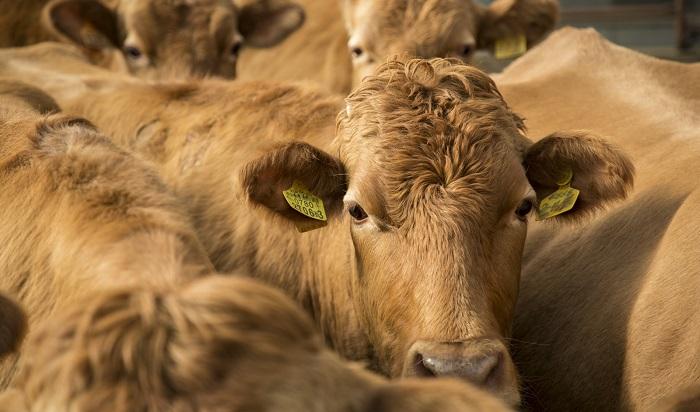
The Korea Institute of Energy Research has reduced livestock waste odor through the use of fermented rice husks and microorganisms.
By compounding a photosynthetic bacterium dubbed rhodobacter sphaeroides into a cultivated effective microorganism, the research team succeeded in removing more than 99 percent of ammonia within 30 minutes.
Ammonia is the main cause of bad odors associated with livestock waste,
An oxidation heat of 60 to 80 degrees Celsius was also generated while dissolving sludge, a water treatment sediment, contributing to reducing the energy cost for drying.
The research team used rice husk, which is about 25 to 40 percent cheaper than sawdust.
With the weight of the sludge reduced by 91 percent in nine days, it is more than three times faster than sawdust.







