


 Meta Agrees to $18 Billion Settlement, Tightens Teen Social Media Rules
  SK Hynix Shares Fall as Workers Reject Wage Deal
  BofA Names ASML Top Semiconductor Equipment Pick on Growth, Valuation
  OpenAI Data Center Chief Chris Malone Exits Ahead of Planned 2027 Listing
  New Zealand Moves to Ban Social Media for Children Under 16
  Samsung Shares Tumble 8% as $79 Billion Return Plan Disappoints
  PayPal Shares Sink as $50 Billion Takeover Bid Collapses
  Salesforce Shares Surge as AI Demand Powers Q2 Earnings Beat
  Google Expands Gemini Enterprise With AI Tools for Legal Sector
  Unitree Shares Plunge 45% After Blockbuster IPO, Raising China Tech Bubble Fears
  Nvidia Pauses AI Cloud Financing Deals Amid Antitrust Concerns
  SoftBank Plans Record $6.3 Billion Bond Sale to Fund OpenAI Investments
  Nvidia Revenue Soars 106% as AI Demand Hits ‘Inflection Point’
  Faraday Future Delivers First Robots in Middle East, Plans September Launches
  Countries Tighten Social Media Bans for Children
  Pinterest Stock Falls as CFO Julia Brau Donnelly Resigns


 Add as a preferred source on Google
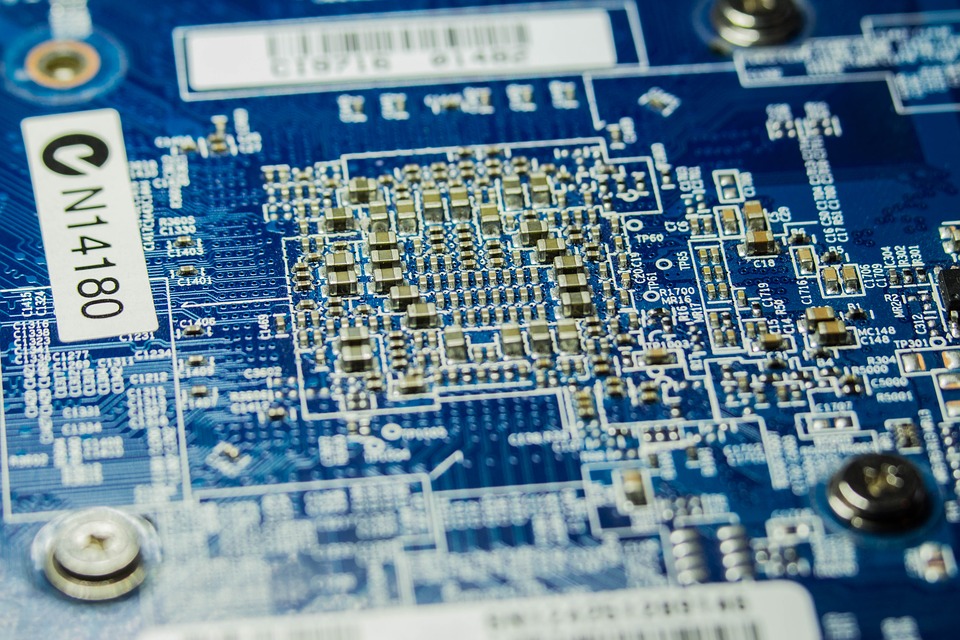
Moore’s Law is basically the concept of transistors inevitably hitting a wall in how small they can shrink and fit into a single space. Now, a discovery might blow that limitation to smithereens thanks to a particular kind of magnetic particle, which could change how memory is stored and what to use to store that memory.
The biggest problem with current memory storage units with regards to Moore’s Law is how their physical materials are literally the defining limitations. This is what engineers at MIT hope to get around with the use of particles called “skyrmions,” which were originally difficult to create at will. The team was led by Geoffrey Beach and according to him, they have managed to do it, Phys.org reports.
With regards to its role in storing data, the particle can be manipulated using electrical fields. By creating them in specific locations, the researchers are now able to store data in the particle without the need for additional energy.
What’s more, it would seem that using “skyrmions” is actually more stable and reliable than conventional magnetic storage. Data can be stored within a space of only several atoms across. This is not possible with current data storage technology.
Before anyone gets too excited, however, there are a few caveats that are worth mentioning. For one thing, it seems there isn’t any way to read the data stored right now, Futurism reports. Storing data using these “skyrmions” would be pointless if they can’t be read. They would be nothing more than glorified hard drives without ports to plug them in with.
Theoretically speaking, a method of reading the data exists, it just needs to be found. This is what the researchers will need to prove if the new method is ever going to make it to market, along with proving that it can be cost-effective.







