


 Russian Attacks Kill Six Across Ukraine as Kyiv Mourns Deadly Strike
  Israel Cabinet Rejects Supreme Court Ruling, Sparking Constitutional Crisis Fears
  Trump Threatens ABC News Lawsuit Over Lincoln Memorial Reflecting Pool Coverage
  Fortescue Faces Class Action Over Sexual Harassment Claims at Australian Mining Sites
  Sara Duterte Impeachment Trial Opens, Putting 2028 Philippine Election in Focus
  JD Vance Says Britain Needs Major Political Change as Leadership Transition Looms
  HSBC Australia Faces A$35M Penalty Over Scam Protection Failures
  Bayer Wins Major U.S. Supreme Court Roundup Lawsuit, Shares Surge
  Israeli Airstrike Kills Two in Gaza City as Ceasefire Violations and Truce Talks Persist
  US Egg Producers Settle Price Manipulation Probe, Agree to Pay $3.3 Million and Donate 53 Million Eggs
  UN Warns of Looming Human Rights Catastrophe in Sudan’s Al-Obeid
  Iran Holds State Funeral for Ali Khamenei as Security Fears Shape Succession
  US Judge Seeks Explanation for DOJ’s Decision to Drop Gautam Adani Bribery Case
  Frank Stronach Found Guilty of Sexual Assault and Indecent Assault in Ontario Court
  California Court Dismisses Trump Administration Lawsuit Against Los Angeles Sanctuary Policy
  Meta Seeks Legal Shield From Child-Harm Lawsuits Amid KOSA Talks
  Russia Claims Capture of Kostiantynivka as Putin Pushes Donetsk Offensive


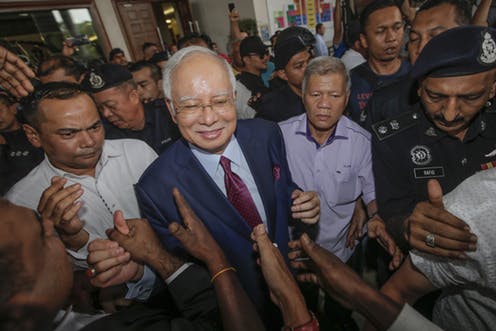
Malaysia’s former prime minister Najib Razak is set to learn on Monday whether he can serve the remainder of his jail sentence under house arrest, a decision that could have major political and legal implications for the country. The ruling comes as part of two closely watched court decisions this week that will test Prime Minister Anwar Ibrahim’s commitment to fighting corruption amid lingering controversies surrounding the 1MDB scandal.
Najib has been incarcerated since 2022 after being convicted of corruption and money laundering linked to 1Malaysia Development Berhad (1MDB), the state investment fund he co-founded in 2009. Originally sentenced to 12 years in prison, his term was reduced by half last year following a decision by a pardons board chaired by Malaysia’s former king. However, Najib claims that the monarch also issued an “addendum order” allowing him to serve his remaining sentence at home.
For months, government officials denied the existence of such a document. More recently, the former king’s office and a federal lawyer confirmed that the addendum order had indeed been issued, prompting Najib to seek a court order compelling the government to acknowledge and enforce it. The Kuala Lumpur High Court is expected to rule on this request on Monday.
Just days later, on December 26, the same court will deliver its verdict in the largest remaining 1MDB trial involving Najib. He faces four additional corruption charges and 21 counts of money laundering related to the alleged illegal transfer of about 2.2 billion ringgit from 1MDB. If convicted, Najib could face up to 20 years in prison for each charge, along with hefty financial penalties.
Analysts warn that any ruling favorable to Najib could provoke public backlash, especially among supporters of Anwar, who rose to power in 2022 on an anti-corruption platform. Critics have already questioned Anwar’s reform agenda after prosecutors dropped several cases involving Najib and recently abandoned an appeal in a graft case against Najib’s wife, Rosmah Mansor.
Najib maintains his innocence, arguing he was misled by fugitive financier Jho Low and other officials. As the court decisions approach, the outcome is widely seen as a critical test of Malaysia’s judiciary, prosecution, and political will to uphold accountability in one of the country’s biggest corruption scandals.







