


 Infineon Raises 2026 Outlook as AI Data Center Chip Demand Surges
  Anthropic’s $1.5B AI Venture with Wall Street Firms Targets Private Equity Market
  Novo Nordisk Raises 2026 Outlook on Strong Wegovy Demand
  Philips Reaffirms 2026 Outlook After Strong Q1 Sales and Margin Beat
  Palantir Reports Record Growth, Raises 2026 Revenue Outlook Above Expectations
  Judge Delays SEC Settlement With Elon Musk Over Twitter Stock Disclosure Case
  AI-Driven Inflation Raises U.S. Consumer Prices, Goldman Sachs Says
  BMW Keeps 2026 Outlook Despite 25% Profit Drop Amid Tariff Pressure
  AWS Data Center Overheating Disrupts Cloud Services in Northern Virginia
  Apple Explores Intel and Samsung Partnerships to Diversify Chip Supply Chain
  Sony Forecasts Lower 2027 Profit Despite Strong Music and Sensor Growth
  U.S.-China AI Talks May Take Center Stage at Trump-Xi Summit
  Apple Q2 2026 Earnings Surge as iPhone 17 Sales Drive Record Revenue
  Samsung Appoints New TV Business Head Amid Rising Competition from Chinese Rivals
  Armani Group Eyes Strategic Stake Sale to Luxury Giants
  Orsted Q1 EBITDA Beats Expectations Despite U.S. Impairments


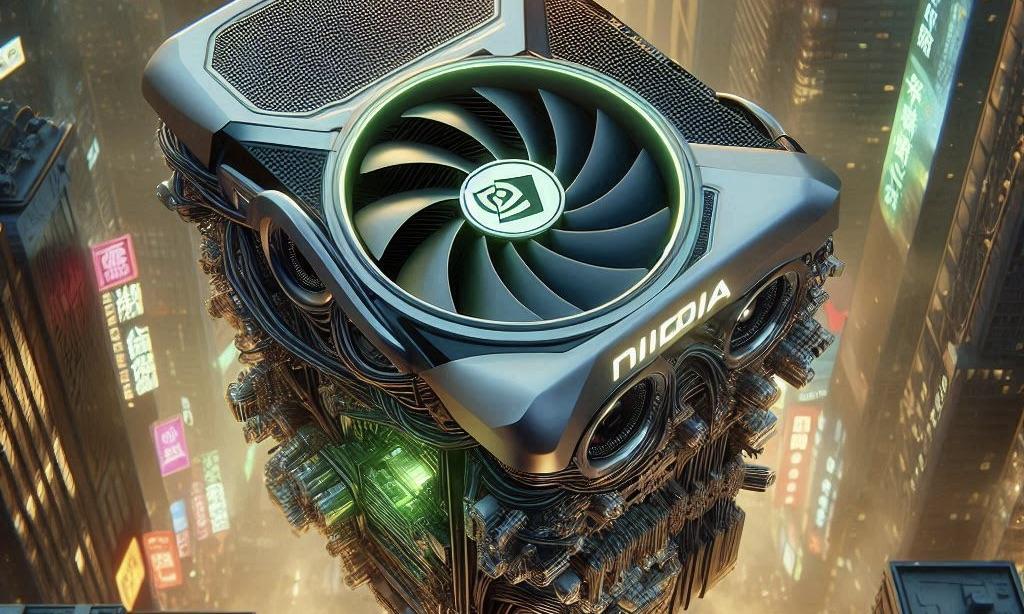
Nvidia, a company synonymous with innovation in the semiconductor industry, has been riding high on the explosive growth of artificial intelligence (AI) and its data center business. But as investors ponder the future, questions arise about where the chip giant will stand a decade from now. For those who invested in Nvidia ten years ago, the return has been staggering—turning a $1,000 investment into over $220,000 today. However, the company's future growth may face new challenges as it looks beyond the current AI boom.
Nvidia’s history has been marked by cycles of boom and bust, from pioneering the graphics processing unit (GPU) in the 1990s to capitalizing on the cryptocurrency mining frenzy in the 2010s. Each time, the company has found ways to bounce back stronger. But as it stands today, with a market cap pushing $3 trillion, Nvidia's next phase of growth will require navigating an increasingly competitive and evolving tech landscape.
The AI Boom and Its Limits
Nvidia’s current dominance is largely due to its critical role in the AI revolution. Its GPUs power many of the data centers responsible for training and running AI models, and demand for its enterprise GPUs has surged, as evidenced by the company’s fiscal second quarter results. Data center revenue alone surged 154% year over year, reaching $26.3 billion, which now constitutes 88% of Nvidia’s total sales. Meanwhile, its traditional gaming and PC segment, once a core driver of revenue, has taken a back seat.
But how long can the AI boom last? Nvidia has faced similar cycles before—most notably during the cryptocurrency mining craze. The collapse of that market in 2018 sent the company into a temporary slump. Today, Nvidia’s leadership in AI hardware is unquestionable, but the sector remains highly cyclical. Tech industry analysts warn that AI’s true transformative potential has yet to be fully realized, with questions surrounding its monetization. Analysts at Goldman Sachs, for example, have raised concerns about whether companies will ever fully recoup the massive investments being poured into AI-enabling hardware.
Nvidia’s management, however, remains optimistic. The company believes that cloud providers stand to gain significantly from their AI investments over the next few years. But the real test will be whether consumer-facing AI applications can deliver on their promises, driving sustained demand for Nvidia’s GPUs.
Looking Ahead: What Will Drive Nvidia’s Growth?
Nvidia’s future likely hinges on its ability to expand into new markets. AI won’t be the last growth engine for the company. Already, its GPUs are being adapted for use in cutting-edge industries like autonomous vehicles, augmented reality, and warehouse robotics. These emerging technologies offer Nvidia an opportunity to leverage its existing hardware and software expertise into new, synergistic fields.
The company’s strong brand loyalty, driven by its CUDA software ecosystem, could help it replicate its success in AI across other sectors. Self-driving cars, in particular, represent a major growth frontier, with Nvidia already positioning itself as a key player in the development of autonomous systems.
Nvidia’s Stock in the Next Decade
Despite Nvidia’s explosive growth, its stock is trading at 43 times forward earnings, signaling that the market is cautious about whether the company can maintain its current momentum. Investors looking at the long-term may want to wait for a potential deflation in the AI hype before committing to the stock.
Over the next decade, Nvidia will need to navigate its traditional boom-and-bust cycles, while capitalizing on emerging markets that promise new, long-term revenue streams. For those willing to weather the ups and downs, the next chapter of Nvidia’s story could be just as transformative as its past.







