


 Russia-Iran Military Alliance Deepens With Drone Shipments Amid Middle East Tensions
  U.S. Stock Futures Steady as Iran Reviews U.S. Ceasefire Proposal
  Trump Administration Settles Lawsuit Barring Federal Agencies from Pressuring Social Media Censorship
  US-Iran Ceasefire Talks Underway: What You Need to Know
  Australia-EU Free Trade Deal Signed After Years of Negotiations
  Trump Administration Opens Two New Investigations Into Harvard Over Discrimination and Antisemitism
  Taiwan Arms Deal on Track Despite U.S.-China Summit Uncertainty
  Israel Eyes Litani River as New Border Amid Escalating Lebanon Offensive
  Trump's Overhaul of American History: Museums, Monuments, and Cultural Institutions
  Japan's Private Sector Growth Slows in March Amid Rising Costs and Middle East Uncertainty
  Trump to Visit China in May for High-Stakes Xi Summit Amid Iran War
  UK Consumer Confidence Weakens Amid Middle East Conflict and Rising Living Costs
  Gold Prices Surge on U.S.-Iran Ceasefire Reports
  Asian Stocks Gain Amid Iran Conflict Uncertainty
  FEMA Reinstates $1 Billion Disaster Prevention Grant Program After Court Order
  Russia Strikes Kharkiv and Izmail as Cross-Border Drone War Escalates
  Bank of Japan Eyes April Rate Hike Despite Inflation Dip, ING Says


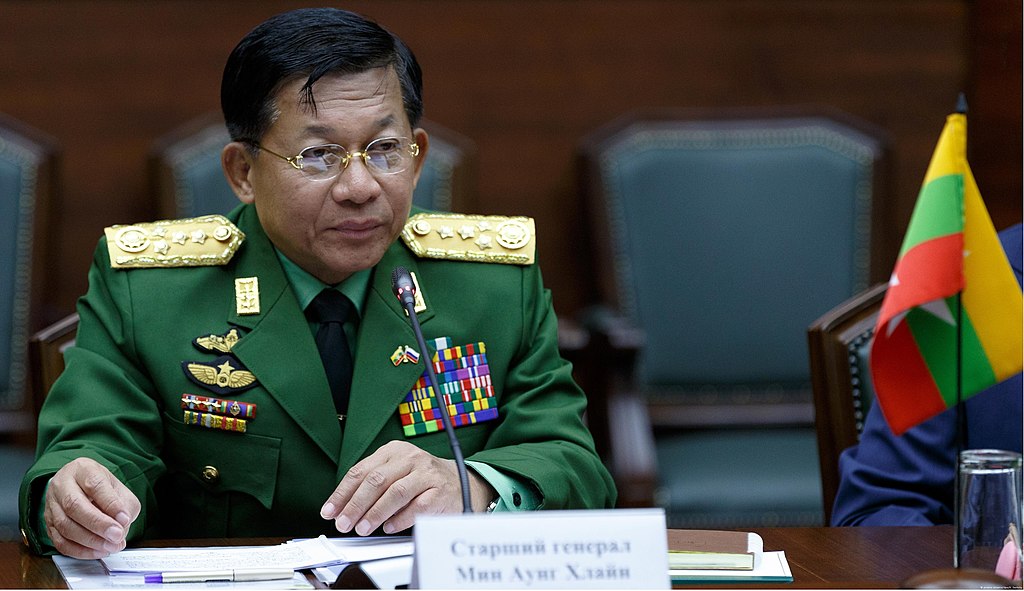
Myanmar’s military leader, Senior General Min Aung Hlaing, has formally requested a reduction in the 40% U.S. tariff on Myanmar exports, proposing a revised rate of 10% to 20%, according to state media reports on Friday. The request was sent in response to a letter from U.S. President Donald Trump notifying Myanmar of the imposed tariff hike.
In a bid to ease trade tensions, Min Aung Hlaing expressed readiness to dispatch a negotiation team to Washington to discuss terms. He also offered reciprocal trade terms, suggesting Myanmar would reduce its own tariffs on American imports to between 0% and 10%. The move signals Myanmar’s interest in maintaining economic ties and avoiding punitive trade measures amid growing geopolitical challenges in the Indo-Pacific region.
“The senior general acknowledged the president’s strong leadership in steering the U.S. toward national prosperity and praised Trump’s patriotic commitment,” the report added, reflecting a diplomatic tone intended to strengthen bilateral relations.
The increased U.S. tariffs on Myanmar goods are part of a broader reshaping of global trade dynamics under Trump’s administration. Analysts say Myanmar, already facing international sanctions and economic strain, is eager to secure favorable trade conditions to support its export-driven economy, particularly in sectors like apparel and agriculture.
The proposal highlights Myanmar’s attempt to re-engage with key global markets and protect its economic interests amid shifting U.S. trade policy. Whether the Trump administration will entertain tariff adjustments remains uncertain, but the request marks a notable gesture from the junta to avoid further economic isolation.
This development comes as Washington reassesses its trade relationships across Asia, balancing strategic interests with economic engagement. Myanmar’s willingness to compromise may open the door for negotiations if U.S. officials see an opportunity to advance American trade goals while reinforcing regional influence.













