


 G7 Foreign Ministers Gather in France Amid Global Tensions and U.S. Policy Uncertainty
  Trump Seeks Quick End to U.S.-Iran Conflict Amid Ongoing Middle East Tensions
  US Accelerates Taiwan Arms Deliveries Amid Rising China Threat
  Trump Administration Settles Lawsuit Barring Federal Agencies from Pressuring Social Media Censorship
  Iran-Israel Missile Strikes Continue Amid Mixed Signals on U.S.-Iran Diplomacy
  Trump Says Iran Offered Major Energy Concession Amid Ongoing Negotiations
  Denmark Election 2026: Frederiksen Eyes Third Term Amid Trump-Greenland Tensions
  Trump Administration Opens Two New Investigations Into Harvard Over Discrimination and Antisemitism
  U.S.-Iran Peace Talks Gain Momentum Amid Ongoing Conflict
  Maduro Faces Rare Narcoterrorism Charges in U.S. Court
  FEMA Reinstates $1 Billion Disaster Prevention Grant Program After Court Order
  Trump Backs Down on Iran Strikes After Gulf Allies Sound the Alarm
  WTO Reform Talks Begin in Cameroon Amid Global Trade Tensions
  Trump's Overhaul of American History: Museums, Monuments, and Cultural Institutions
  Bachelet Pushes Forward With UN Secretary-General Bid Despite Chile's Withdrawal
  Pakistan's Diplomatic Rise: Mediating U.S.-Iran Peace Talks
  Trump Votes by Mail Despite Calling It "Cheating" as Democrat Wins Mar-a-Lago District


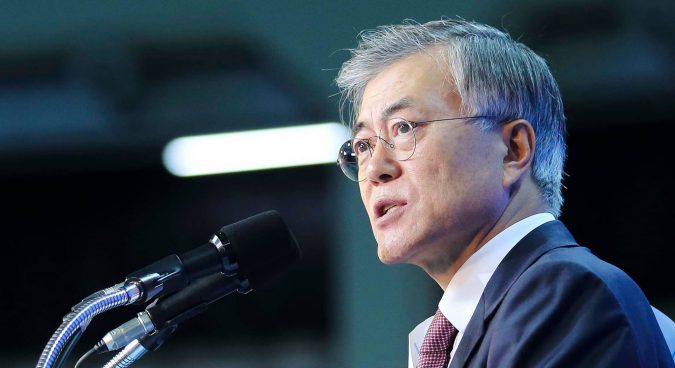
Former South Korean President Moon Jae-in accused the country’s prosecutors of political bias and abuse of power following his recent indictment on bribery charges. Speaking on Friday during a meeting with National Assembly Speaker Woo Won-sik, Moon claimed that the legal actions against him reflect a growing trend of political interference in the justice system.
Moon stated that his indictment serves as a clear example of how prosecutorial power is being misused in politically motivated ways. While he did not elaborate on the specifics of the charges, he emphasized the need for institutional reforms to prevent the justice system from being weaponized for political purposes.
The former president’s remarks come at a time of heightened political tension in South Korea, as investigations involving high-profile political figures continue to stir public debate. Critics of the indictment argue that it may be part of a broader attempt to discredit the legacy of Moon's administration, particularly his progressive policies and efforts to improve inter-Korean relations.
Legal experts remain divided on the implications of the charges, with some warning that such high-level indictments risk deepening political polarization and undermining public trust in the rule of law. Moon served as president from 2017 to 2022 and has remained an influential figure in South Korea’s liberal camp.
His comments are likely to intensify the ongoing debate over prosecutorial reform and the independence of judicial institutions in the country. As South Korea approaches a critical election period, Moon’s indictment and vocal opposition to the prosecutors’ actions could significantly influence public opinion and political dynamics.













