


 US Revokes Over 175,000 Visas Under Trump Immigration Crackdown
  Nvidia Pauses AI Cloud Financing Deals Amid Antitrust Concerns
  OpenAI Data Center Chief Chris Malone Exits Ahead of Planned 2027 Listing
  Nvidia Options Price in $280 Billion Earnings Swing
  SEC Moves to Dismiss Insider Trading Case Against Trump-Pardoned Terren Peizer
  Google Expands Gemini Enterprise With AI Tools for Legal Sector
  Unitree Shares Plunge 45% After Blockbuster IPO, Raising China Tech Bubble Fears
  Trump Signs Order to Cut Routine Childhood Vaccines
  SEC Proposes ‘Regulation Crypto Assets’ Framework for Crypto Fundraising
  Meta, U.S. States Discuss Settlement in Teen Addiction Trial
  U.S. Probes Apex Logistics Over Nvidia AI Chip Shipments to China
  New Zealand Labour Backs Social Media Ban for Under-16s
  Judge Blocks Trump Mail Voting Order Ahead of 2026 Midterms
  Trump Orders U.S. Navy to Return to Steam Catapults for Aircraft Carriers
  Pinterest Stock Falls as CFO Julia Brau Donnelly Resigns
  Trump Targets 1,000 U.S. Space Launches Annually by 2030


 Add as a preferred source on Google
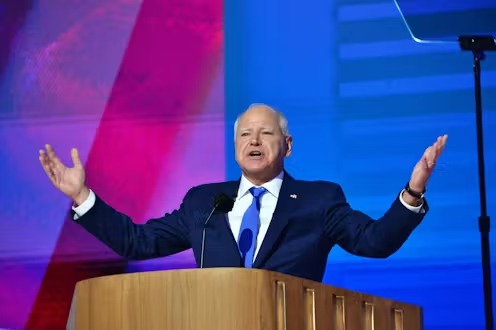
Minnesota Governor Tim Walz said Tuesday that the federal immigration crackdown ordered by President Donald Trump’s administration in Minnesota could end within days, following direct conversations with senior White House officials. Walz’s comments come amid mounting criticism, protests, and national attention surrounding the enforcement actions carried out by federal immigration authorities in the state.
According to Walz, Minnesota officials have formally requested that the surge of federal immigration agents be scaled back. He confirmed that he spoke Monday with Tom Homan, the Trump administration’s border czar, and again Tuesday with White House Chief of Staff Susie Wiles. Walz said those discussions suggested the deployment may be nearing its conclusion.
The Trump administration sent approximately 3,000 federal immigration agents to Minnesota by the end of January as part of a broader immigration enforcement initiative. Homan stated last week that roughly 700 agents would be withdrawn, signaling a potential reduction. Walz said he expects an official announcement soon and emphasized that the state is operating in a “trust but verify” posture.
The immigration crackdown has drawn sharp criticism from local officials and human rights organizations, who argue that the actions violate due process and legal protections. Tensions escalated further after federal immigration officers last month fatally shot U.S. citizens Renee Good and Alex Pretti in Minneapolis. Video footage of the shootings circulated widely online, sparking large-scale protests in Minnesota and outrage across the country.
Walz expressed hope that Homan would publicly confirm the end of the operation before the end of the week, adding that the state anticipates the withdrawal to occur over days rather than weeks or months. The Department of Homeland Security referred media inquiries to the White House, which has not issued a public response.
President Trump has defended the immigration enforcement measures as necessary to combat fraud and enhance domestic security. However, rights groups argue that the crackdown has fostered fear within immigrant and minority communities, particularly Minnesota’s Somali population. Advocacy organizations also accuse the administration of using isolated fraud cases to justify broader immigration actions while overlooking past presidential pardons related to fraud convictions.
As Minnesota awaits further clarification from federal officials, state leaders and community advocates continue to call for de-escalation and accountability.







