


 Iran Says It Closes Strait of Hormuz After Warning Shot at Vessel
  SK Hynix Shares Drop After Strong Nasdaq Debut Despite $26 Billion ADR Listing
  Paramount-Warner Bros. Discovery Merger Faces Lawsuit From 12 States
  HHS Watchdog Reports $5.56 Billion in Healthcare Fraud Recoveries as Enforcement Actions Decline
  EU to Propose New Rules Limiting Children's Access to Social Media
  UN Says Hamas Disrupted Gaza Aid Distribution, Group Denies Allegations
  DOJ Grand Jury Investigates UAW President Shawn Fain Ahead of Union Election
  Trump Tells Congress Iran Hostilities Restarted, Citing New 60-Day War Powers Window
  US-Iran Strikes Escalate as Strait of Hormuz Crisis Pushes Oil Prices Higher
  UK Sanctions 24 Russian-Linked Targets Over Cyberattacks and Election Interference
  SoftBank Corp Partners With Sierra to Expand AI Customer Support Across Japan
  Kitron Q2 Revenue Beats Estimates as Defense Demand Lifts Growth
  Israeli Strikes Kill Six in Gaza as Ceasefire Talks Continue in Cairo
  Morgan Stanley Says China’s Reusable Rocket Progress Poses Long-Term Challenge to SpaceX
  Trump to Deliver National Address on Declassified 2020 Election Intelligence
  Yaskawa Electric Shares Slide as Weak Profit Overshadows Strong AI Demand
  TSMC Q2 Revenue Surges 36% as AI Chip Demand Powers Growth Ahead of Earnings


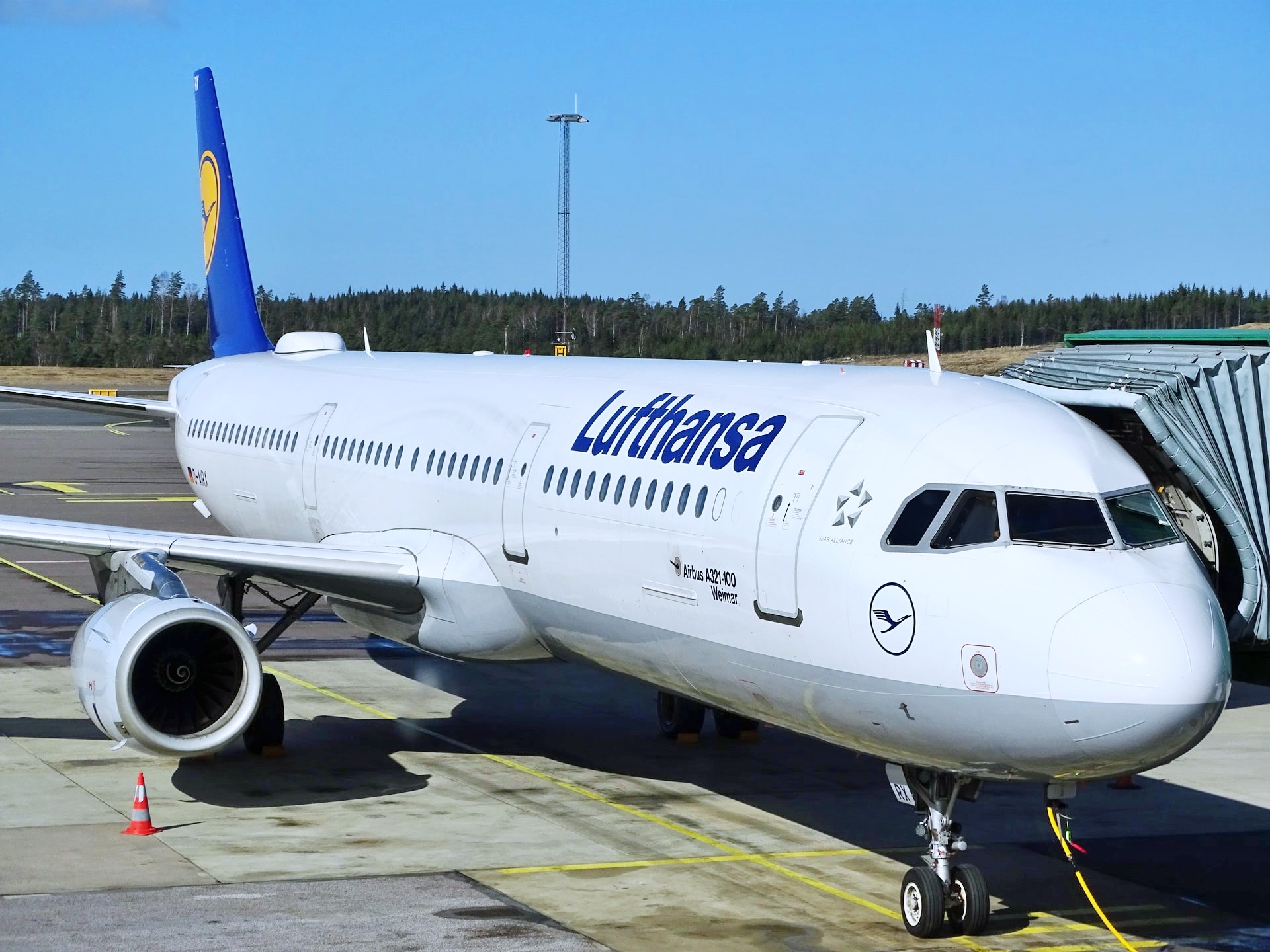
The escalating U.S. and Israeli air war against Iran has created major disruptions across the global aviation and tourism industries, forcing airlines and governments to manage the fallout as tens of thousands of travelers remain stranded across the Middle East. More than 20,000 flights have been cancelled in recent days, severely affecting international travel routes and airline operations.
Major aviation hubs in the Gulf region, including Dubai International Airport—the world’s busiest airport for international travel—remain closed or operating under heavy restrictions for the fourth consecutive day. According to flight tracking service Flightradar24, approximately 21,300 flights have been cancelled across seven key airports, including Dubai, Doha, and Abu Dhabi, since the conflict escalated.
The situation has disrupted one of the most important flight corridors linking Europe and Asia. Airlines typically rely on Middle Eastern hubs as central transit points, but the growing conflict has significantly limited safe airspace, forcing carriers to reroute flights and adjust schedules. These changes are complicating long-haul operations and increasing operational costs for international airlines.
Thousands of stranded travelers are now scrambling to secure seats on limited repatriation flights as governments attempt emergency evacuations. Emirates, flydubai, and Etihad Airways have resumed a small number of flights primarily aimed at bringing passengers home. The United Arab Emirates reported that about 60 flights had departed through designated emergency air corridors, with plans to operate more than 80 additional flights.
The United States government is also arranging military and charter flights to evacuate American citizens from the region. Officials said they are currently coordinating with nearly 3,000 U.S. nationals seeking assistance. Meanwhile, Delta Air Lines has suspended its New York to Tel Aviv service through March 22 and introduced travel waivers and flexible rebooking options for affected passengers.
Travel demand has shifted rapidly as passengers search for alternatives to Middle Eastern transit routes. Ticket prices on long-haul routes such as Hong Kong to London have surged due to increased demand. Tourism experts warn that if the conflict continues, Middle Eastern economies could lose billions in tourism revenue.
The crisis has also triggered sharp declines in airline stocks worldwide. European carriers including Lufthansa, Air France-KLM, Wizz Air, and British Airways parent IAG saw shares fall between 5% and 8%. In Asia, Japan Airlines dropped 6.4% while Korean Air plunged more than 10%, marking its biggest decline since 2020. Major Chinese airlines also reported losses of 2% to 4%.
Rising oil prices are adding additional pressure to airline profitability. Benchmark crude prices have climbed about 30% this year, increasing jet fuel costs—one of the industry’s largest expenses. Delta previously estimated that every one-cent increase in jet fuel prices adds roughly $40 million to its annual fuel costs, while analysts say a 10% increase could raise its 2026 fuel bill by $1 billion.
Industry experts say the scale of the aviation shutdown is the most significant disruption to global travel since the COVID-19 pandemic, with both passenger and air cargo operations expected to suffer billions of dollars in losses if the conflict persists.







