


 PayPal Shares Sink as $50 Billion Takeover Bid Collapses
  The Realist’s Case: Lukas Kerrebijn of RD Dubai on the Narrative Dubai’s Agents Won’t Question
  Nvidia Revenue Soars 106% as AI Demand Hits ‘Inflection Point’
  SoftBank Eyes $20 Billion Bond Sale to Refinance OpenAI Loan
  OpenAI Data Center Chief Chris Malone Exits Ahead of Planned 2027 Listing
  HP Stock Drops 9% Despite Q3 Earnings Beat and Raised 2026 Outlook
  Alibaba Raises $10.2 Billion to Expand AI Infrastructure
  Samsung Shares Tumble 8% as $79 Billion Return Plan Disappoints
  Honda, Nissan Eye Shared Vehicle Software Platform by 2029
  New Zealand Labour Backs Social Media Ban for Under-16s
  Jefferies Names AMEC Top China Semiconductor Equipment Pick
  Shein Hong Kong IPO to Raise $1.7 Billion at $26.5 Billion Valuation
  Meta, U.S. States Discuss Settlement in Teen Addiction Trial
  U.S. Probes Apex Logistics Over Nvidia AI Chip Shipments to China
  SK Biopharmaceuticals Secures Global Rights to Biohaven Epilepsy Drug Opakalim
  Adidas, Puma Shares Fall as Dick’s Sporting Goods Cuts Outlook


 Add as a preferred source on Google
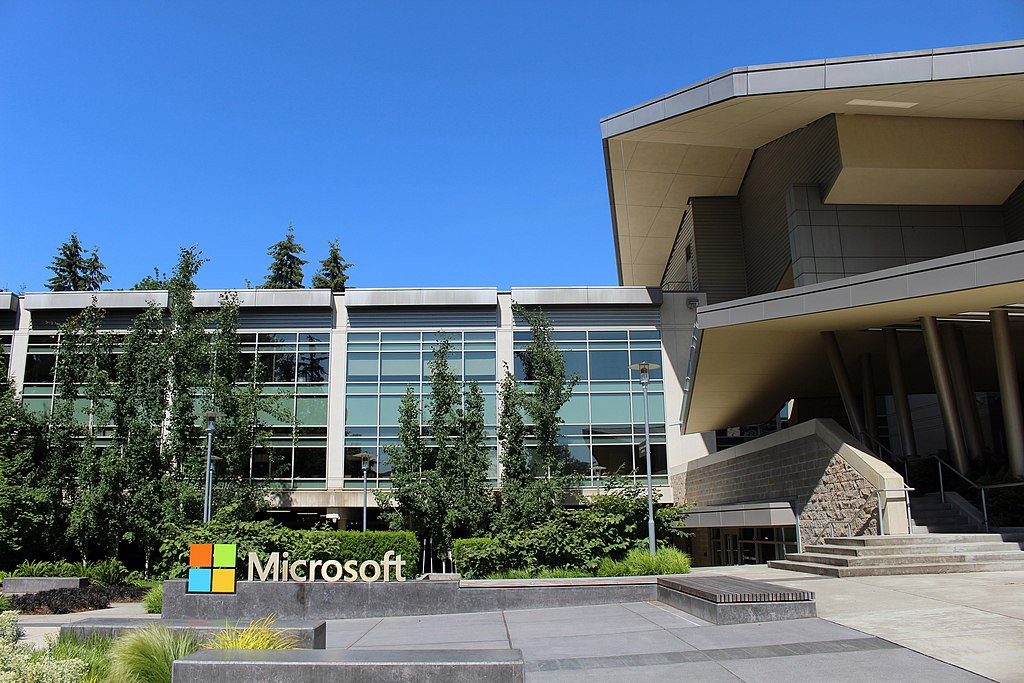
Microsoft Corporation (NASDAQ: MSFT) has taken another major step in expanding its data center footprint after receiving unanimous approval from local officials in Mount Pleasant, Wisconsin, to build 15 additional data centers near an existing site. The decision was finalized Monday evening during a village board meeting, according to a publicly available livestream of the proceedings.
The approval covers two proposed lots that Microsoft plans to develop, significantly boosting its data center capacity in the region. This expansion aligns with Microsoft’s broader strategy to increase computing power and accelerate its artificial intelligence initiatives, which require massive infrastructure investments to support cloud services, AI model training, and enterprise solutions.
Notably, the land earmarked for the new Microsoft data centers was originally reserved for a Foxconn manufacturing plant. That project ultimately fell short of its ambitious initial plans, leaving Mount Pleasant with excess land that had been purchased using state funds. Microsoft’s development effectively repurposes this underutilized land, turning a stalled economic vision into a new growth opportunity for the village.
Once completed, Microsoft is expected to become the largest employer in the Mount Pleasant area, underscoring the long-term economic impact of the project. Local officials estimate the taxable value of the data center developments will exceed $13 billion, a figure that could significantly strengthen the village’s tax base and fund future public services and infrastructure.
The expansion also highlights a broader trend among major technology companies racing to build data centers across the United States to meet soaring demand for cloud computing and artificial intelligence capabilities. As competition intensifies in the AI space, Microsoft continues to invest heavily in physical infrastructure to maintain its edge against rivals.
Overall, the Mount Pleasant approval marks a key milestone for Microsoft’s U.S. data center strategy, while offering renewed economic momentum for a community still recovering from unmet expectations tied to earlier development plans.







