


 Trump Denies Offering Iran Sanctions Relief for Nuclear Concessions
  IRS Warns Crypto ETFs Over Tax Loophole Risks
  South Korea Demands Ukraine Apology Over North Korean POW Disclosure
  Who should own the knowledge that underpins AI technology?
  California Bans Memecoins Issued by Public Officials Under New Law
  China Cuts Tariffs on U.S. Farm Goods but Excludes Soybeans
  ICE Agent Arrested in Minneapolis Over Venezuelan Man Shooting
  UN Experts Urge US to Halt Third-Country Migrant Deportations
  Pope Leo Urges Europe to Pursue Peace Through Compromise
  US Northeast Airports Resume Operations After Telecom Outage Disrupts Thousands of Flights
  White House Blames Democrats as CLARITY Act Stalls
  HUTCHMED, AstraZeneca Seek FDA Approval for Lung Cancer Combo
  Denmark Expects Long-Term NATO Presence in Greenland, Arctic
  US Plans Iran Sanctions Waiver for Pilgrim Flights to Iraq
  UK PM Burnham Signals Social Care Tax Changes, Questions Heathrow Expansion
  Judge Blocks Trump Election Conditions on Counterterrorism Grants
  Colombia Extradites FARC Dissident Leader ‘Spider’ to US


 Add as a preferred source on Google
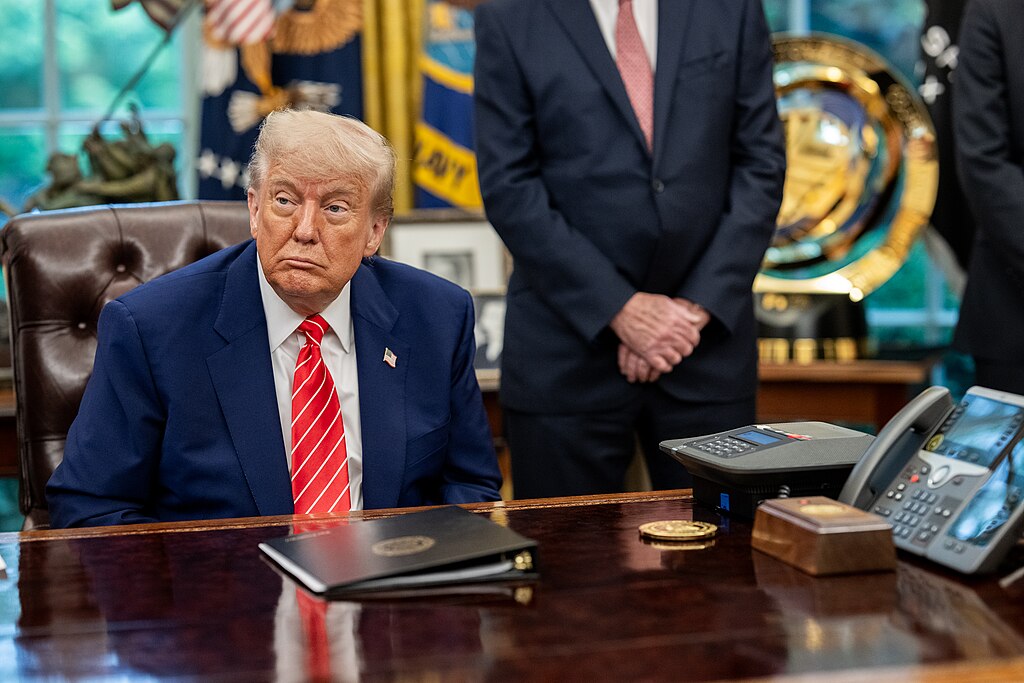
President Donald Trump has signed a National Security Presidential Memorandum directing sweeping changes to U.S. Navy shipbuilding and ship repair programs as part of an effort to rebuild the country’s maritime industrial base.
The memorandum, signed Thursday, calls for major changes to aircraft carrier technology, domestic shipyard capacity and the way the United States works with foreign shipbuilders.
Under the directive, the Secretary of War is instructed to replace the Advanced Electromagnetic Aircraft Launch System and Advanced Weapons Elevators used on major aircraft carriers with more traditional steam-powered launch and hydraulic weapons elevator systems. The move represents a significant shift in the Navy’s approach to carrier construction and technology.
Trump’s memorandum also directs the Department of War to pursue direct investment in American shipbuilding using a strategy modeled on the Coast Guard’s medium icebreaker program and its cooperation with Finland. Under the so-called “Finland model,” foreign shipbuilding companies would invest in U.S. shipyards while providing training and technical expertise to American workers.
To address immediate fleet requirements, participating foreign shipbuilders could temporarily construct as many as two vessels at their existing overseas shipyards for faster delivery. Subsequent ships would then be built at upgraded and expanded facilities in the United States, strengthening domestic production capacity and creating a more sustainable shipbuilding workforce.
Another major provision calls for establishing a fifth U.S. Naval shipyard, which would be the first new facility of its kind in more than 80 years. The additional shipyard is intended to increase maintenance and repair capacity for nuclear submarines and aircraft carriers, areas that have faced persistent infrastructure and scheduling pressures.
The memorandum further directs the Secretary of War to establish a Component Repair Center dedicated to critical submarine parts. The facility would store, repair and refurbish components used across major U.S. submarine programs.
Together, the measures seek to accelerate Navy fleet readiness, expand U.S. shipbuilding infrastructure and strengthen the domestic maritime industrial base while using foreign expertise to help rebuild American manufacturing capacity.







