


 BofA Names ASML Top Semiconductor Equipment Pick on Growth, Valuation
  Google Changes EU Spam Policy Amid Antitrust Scrutiny
  Luxshare Shares Rise as First-Half Profit Jumps 18%
  Nvidia Revenue Soars 106% as AI Demand Hits ‘Inflection Point’
  SoftBank Eyes $20 Billion Bond Sale to Refinance OpenAI Loan
  PayPal Shares Sink as $50 Billion Takeover Bid Collapses
  Xiaomi Unveils Xring O3 Chip for Flagship Foldable Phone
  Nvidia Pauses AI Cloud Financing Deals Amid Antitrust Concerns
  Unitree Shares Plunge 45% After Blockbuster IPO, Raising China Tech Bubble Fears
  HP Stock Drops 9% Despite Q3 Earnings Beat and Raised 2026 Outlook
  Meta Agrees to $18 Billion Settlement, Tightens Teen Social Media Rules
  Countries Tighten Social Media Bans for Children
  SoftBank Plans Record $6.3 Billion Bond Sale to Fund OpenAI Investments
  OpenAI Data Center Chief Chris Malone Exits Ahead of Planned 2027 Listing
  U.S. Disrupts China-Linked Hacking Campaign Targeting Government Agencies
  New Zealand Labour Backs Social Media Ban for Under-16s


 Add as a preferred source on Google
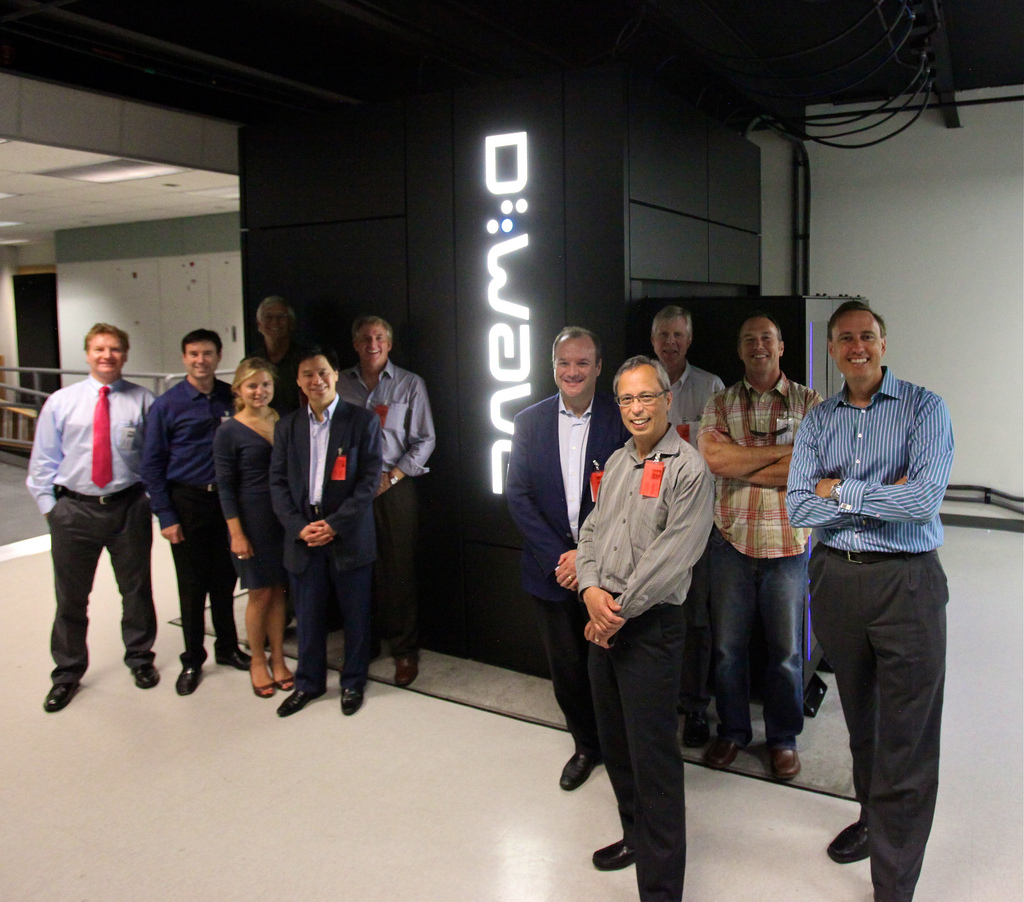
Quantum computers are often seen as the future of technology, where everything is propelled by the ability to process information several thousand times faster than what today’s machines are capable of. D-Wave is one of the few companies in the world that is working on creating a quantum computer, but it’s the only one to have succeeded in creating a commercially viable one. Its latest offer is called the D-Wave 2000Q and it costs $15 million.
The 2000Q is actually the second quantum computer that D-Wave managed to sell, with its previous one called the 2X being used by NASA, Google, and the Los Alamos National Laboratory, PC World reports. Possessing 1,000 Qubits, the 2X still holds a place as one of the most powerful computers in the world. At 2,000 Qubits, however, the 2000Q blows it right out of the water.
A difference in 1,000 Qubits might not seem much, but it actually makes be 2000Q thousands of times more powerful than the 2X, which in turn was thousands of times more powerful than most conventional computers. Temporal Defense Systems (TDS) will be among the first to get access to this cosmic level of computing power and it will be used to deal with threats to cyber security.
In a blog post by the company, TDS CTO James Burrell noted how 2000Q will help significantly improve their ability to deal with threats from hackers. TDS will combine the considerable processing capabilities of the quantum computer with their own technology to crank up security.
“The combined power of the TDS / D-Wave quantum cyber solution will revolutionize secure communications, protect against insider threats, and assist in the identification of cyber adversaries and attack patterns,” Burrell said. "Combining the unique computational capabilities of a quantum computer with the most advanced cyber security technologies will deliver the highest level of security, focused on both prevention and attribution of cyber-attacks."







