


 Gold Drops Below $4,000 as Strong US Dollar and Fed Rate Hike Expectations Pressure Bullion
  Iran Attack in Strait of Hormuz Pushes Oil Prices Higher
  Australia Inflation Cools in May, But Core CPI Keeps RBA Rate Hike Risks Alive
  South Korea’s KOSPI Jumps Over 5% as Samsung, SK Hynix Rally on Micron Earnings Boost
  South Korea’s KOSPI Rebounds as Samsung and SK Hynix Lead Tech Stock Recovery
  Australia Jobs Growth Strengthens Rate Hike Outlook
  Oil Prices Rebound as Strait of Hormuz Tensions Return After Ship Attack Near Oman
  U.S. Dollar Reaches One-Year High as Tech Sell-Off and Fed Rate Hike Expectations Support Demand
  Wall Street Ends Mixed as Tech Stocks Struggle Ahead of Micron Earnings
  Australian Household Spending Rebounds Strongly in May as Travel and Dining Drive Consumer Growth
  Gold Prices Rise Above $4,000 as Inflation Data and Weaker Dollar Boost Demand
  Oil Prices Slip as Iran Sanctions Relief and Hormuz Shipping Recovery Ease Supply Concerns
  BOJ Hawk Signals Faster Interest Rate Hikes Amid Inflation Risks
  S&P Affirms Brazil’s BB Credit Rating with Stable Outlook Amid Fiscal Challenges
  Trump Requests $11 Billion More in Farm Aid as Rising Costs Pressure U.S. Farmers
  Oil Prices Drop as Strait of Hormuz Shipping Recovers
  White House Seeks $87.6 Billion Emergency Funding for Iran War, Farmers, and Ebola Response


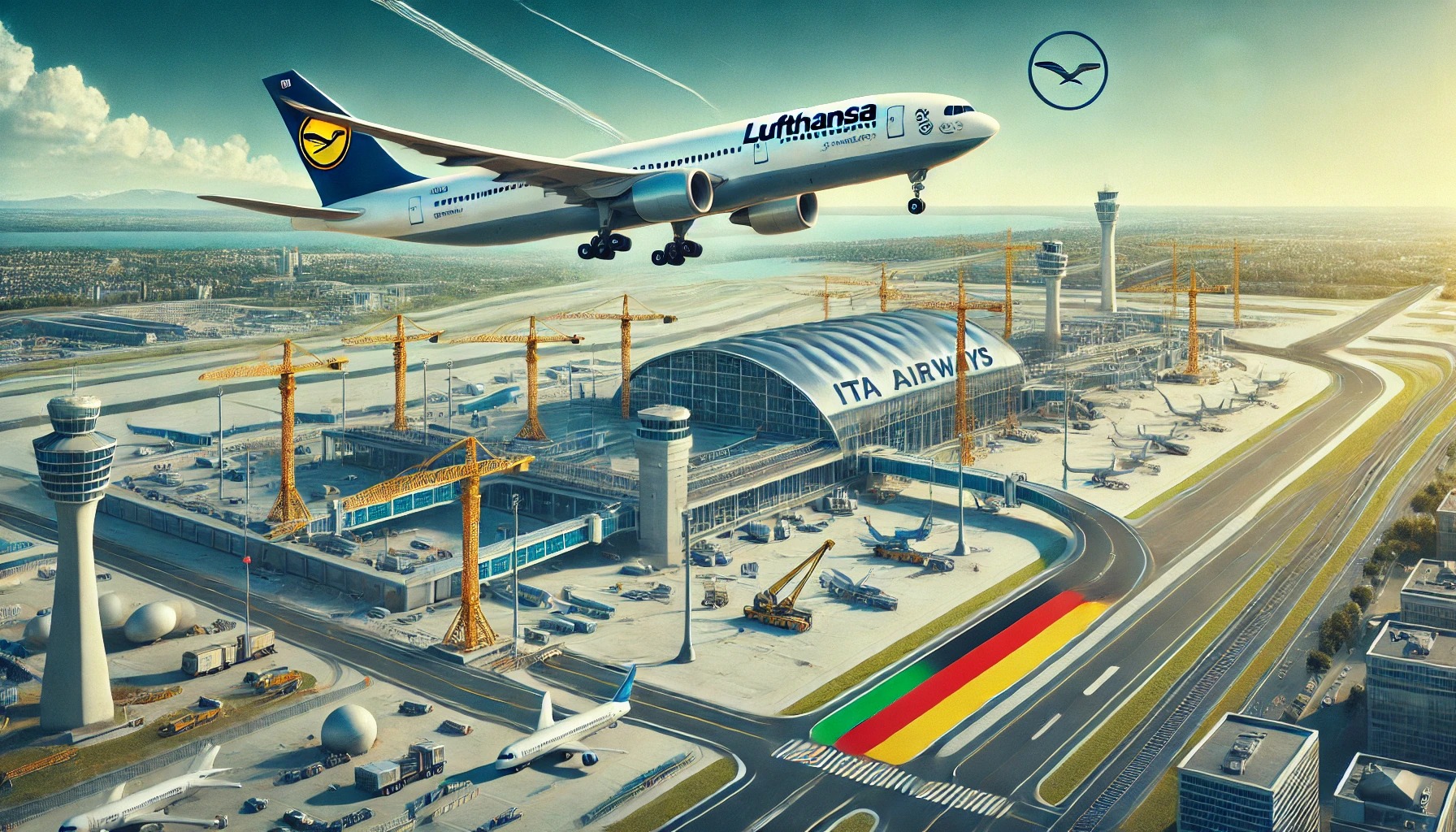
Lufthansa’s Strategic Turnaround with ITA Airways: Key Role of Rome Fiumicino Airport Expansion
Lufthansa's highly anticipated transformation of ITA Airways, a crucial part of reviving the German airline's global standing, hinges on the ambitious expansion of Rome’s Fiumicino Airport. This development is vital to meet future international demands, helping the carrier expand beyond European borders.
ITA Airways and Lufthansa’s Growth Strategy
Facing challenges like high costs and delays in Boeing aircraft deliveries, Lufthansa's CEO Carsten Spohr emphasized on October 1st that international expansion—supported by the 41% stake acquisition in ITA Airways—would significantly bolster the airline's recovery.
The Connection Between Fiumicino’s Expansion and ITA’s Growth
However, the future success of ITA Airways is tied to Fiumicino Airport’s ability to expand. Currently, ENAC, Italy’s airport regulator, has yet to approve Fiumicino's proposal to double its passenger capacity to 100 million annually by adding a third terminal and additional runways.
Spohr highlighted the potential of Fiumicino Airport, noting its capability for growth as a major European hub. “Fiumicino has both the terminal and runway space for future development,” Spohr said, underscoring its strategic role as a gateway to Africa and Latin America.
Expanding Rome’s Fiumicino: Key to Lufthansa's Vision
The airport is managed by Aeroporti di Roma (ADR), owned by the Benetton family and Blackstone. ADR submitted an €8 billion development plan in 2021, which is still under review by ENAC. While some analysts question Rome’s suitability as a Latin American hub compared to competitors like Portugal's TAP or Spain's Air Europa, Lufthansa remains committed to its strategy.
Opportunities and Challenges at Fiumicino Airport
Despite concerns, experts like Federico Maria Alberto Caligaris from CDI Global support the focus on Fiumicino due to growth constraints at Lufthansa’s other European hubs. Andrea Giuricin, CEO of TRA Consulting, predicts that Fiumicino, which already saw over 40 million passengers in 2023, will exceed 50 million in 2024 thanks to robust intercontinental and tourist traffic to Rome.
Fiumicino’s competitive advantage lies in its cost efficiency. Operating costs at the airport amount to just 60% of its revenue, compared to higher rates in Frankfurt, making it an attractive hub for intercontinental flights.
Enhancing Travel Experience and Connectivity
Fiumicino’s modern appeal includes unique features like art exhibits showcasing ancient Roman history in the new boarding area opened in 2022. The airport earned the title of Europe's best airport from the Airports Council International last year.
Despite these accolades, travelers like Felipe Paiva, a Brazilian tourist, feel more could be done. "The airport is good but could be larger for a city like Rome. The transport to the city also needs improvement," Paiva remarked, reflecting the general sentiment on the need for better connectivity to central Rome.
Lufthansa's Strategic Bet: ITA Airways and Rome’s Future
While Lufthansa’s investment in ITA Airways aligns with its broader international expansion goals, challenges persist. Rising labor costs and the delayed expansion of Fiumicino are significant factors to monitor. Additionally, some analysts like Ingo Speich of Deka Investment express concerns over the execution risks in Lufthansa's grand plan.
Milan's Malpensa Airport is another potential competitor. Its proximity to Lufthansa’s German hubs in Frankfurt and Munich could impact its future significance, even if Rome Fiumicino grows.
Lufthansa’s Commitment to ITA Airways and Rome Fiumicino
Lufthansa’s stake in ITA Airways and its reliance on Rome Fiumicino's expansion reflect its commitment to expanding its global footprint. As ENAC reviews Fiumicino’s ambitious expansion plan, Lufthansa’s long-term success in Italy depends on the smooth implementation of these initiatives, opening new doors to Latin America and Africa.
Lufthansa’s vision for ITA Airways represents an opportunity to redefine its presence in southern Europe, with Fiumicino serving as a key link to emerging global markets.







