


 Nvidia Tightens AI Chip Sales in Asia With Stricter Customer Approval Process
  Taiwan Mangoes Head to Europe as Premium Fruit Exports Expand
  Paramount-Warner Bros. Discovery Merger Faces Lawsuit From 12 States
  Rio Tinto Reports Strong Q2 Iron Ore Sales, Maintains 2026 Production Outlook
  Volkswagen Launches €28,000 ID. Cross EV as Europe’s Electric Vehicle Demand Accelerates
  Samsung to Launch First Yongin Chip Plant by 2029 as South Korea Speeds Up Semiconductor Hub
  NY Times Challenges Trump Administration Subpoenas Over Air Force One Report
  DBS Targets S$1 Trillion Wealth AUM by 2030 Amid Asia Wealth Boom
  BHP Faces Major Port Hedland Strike as Labor Talks Stall Ahead of Production Report
  Stellantis Q2 Vehicle Shipments Rise 10% as North America Drives Growth
  Genesis Minerals to Acquire Vault in A$5.6 Billion Deal After Regis Withdraws
  Alibaba Stock Jumps as China Approves Apple Intelligence Powered by Qwen AI
  Stripe, Advent Offer $53 Billion Deal to Acquire PayPal: Reuters
  Mastercard Explores Sale of Majority Stake in UK Payments Firm Vocalink: Report
  Yaskawa Electric Shares Slide as Weak Profit Overshadows Strong AI Demand
  BHP Q4 Iron Ore Output Rebounds as Copper Prices Boost Revenue
  SK Hynix Stock Soars as AI Memory Demand Outlook Fuels Chip Rally


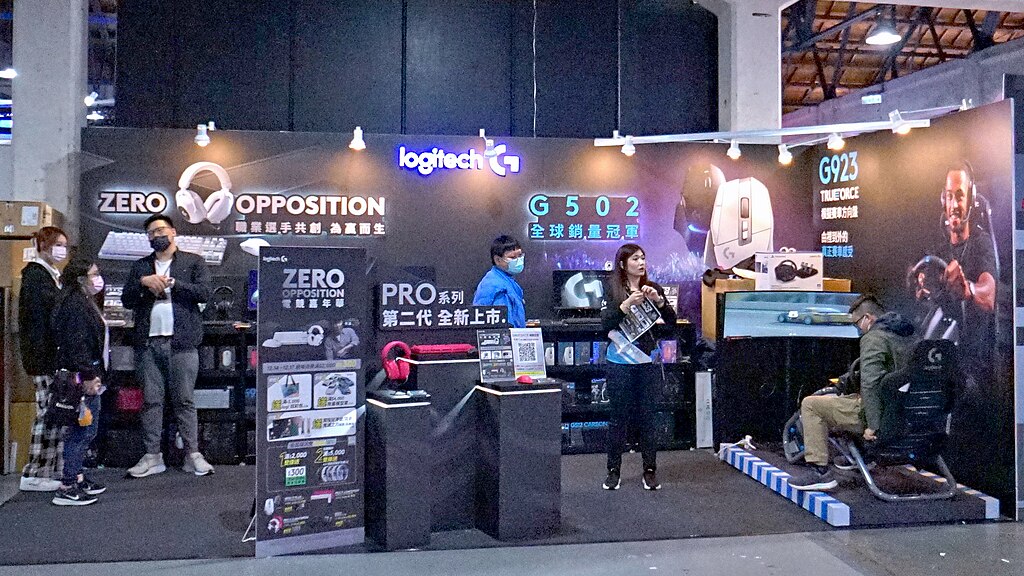
Logitech International (NASDAQ: LOGI) unveiled a strategy to mitigate the impact of U.S. President Donald Trump’s aggressive tariff policy, after reporting Q4 earnings that narrowly missed expectations. The computer peripherals maker, which manufactures most of its products outside the U.S.—one of its largest markets—plans to reduce reliance on China by shifting production to other countries.
CEO Hanneke Faber emphasized a proactive approach to handling global trade barriers, leveraging Logitech’s diverse manufacturing base across six countries. The company aims to cut the share of China-made goods shipped to the U.S. from 40% to just 10%, a move prompted by Washington’s 145% tariffs on Chinese imports. Logitech has been diversifying production since 2018, with operations now spread across Vietnam, Taiwan, Thailand, Malaysia, and Mexico—countries that also face U.S. tariff pressures.
Despite flat quarterly sales of $1.01 billion, below the $1.03 billion forecast from Visible Alpha, Logitech maintained its full-year guidance, projecting sales between $4.54 billion and $4.57 billion and non-GAAP operating income of $755 million to $770 million. The Q4 non-GAAP operating profit came in at $133 million, slightly under the $134 million estimate, impacted by e-commerce payment issues and increased R&D and marketing costs rather than the latest tariff hike announced April 2.
Logitech, headquartered in both Lausanne and San Jose, also has strong sales in Europe, where its products are popular among gamers and remote workers. However, citing ongoing uncertainty around U.S. trade policy, the company recently withdrew its 2026 outlook. For Q1 FY2026, Logitech expects revenue between $1.10 billion and $1.15 billion, and non-GAAP operating income of $155 million to $185 million.







