


 Dow Hits 50,000 as U.S. Stocks Stage Strong Rebound Amid AI Volatility
  South Korea Assures U.S. on Trade Deal Commitments Amid Tariff Concerns
  Amazon Stock Rebounds After Earnings as $200B Capex Plan Sparks AI Spending Debate
  Trump Lifts 25% Tariff on Indian Goods in Strategic U.S.–India Trade and Energy Deal
  Bank of Japan Signals Readiness for Near-Term Rate Hike as Inflation Nears Target
  Gold and Silver Prices Rebound After Volatile Week Triggered by Fed Nomination
  TSMC Eyes 3nm Chip Production in Japan with $17 Billion Kumamoto Investment
  Oil Prices Slide on US-Iran Talks, Dollar Strength and Profit-Taking Pressure
  Trump Signs Executive Order Threatening 25% Tariffs on Countries Trading With Iran
  Global Markets Slide as AI, Crypto, and Precious Metals Face Heightened Volatility
  Washington Post Publisher Will Lewis Steps Down After Layoffs
  South Africa Eyes ECB Repo Lines as Inflation Eases and Rate Cuts Loom
  China Extends Gold Buying Streak as Reserves Surge Despite Volatile Prices
  SpaceX Pushes for Early Stock Index Inclusion Ahead of Potential Record-Breaking IPO
  Fed Governor Lisa Cook Warns Inflation Risks Remain as Rates Stay Steady
  U.S. Stock Futures Slide as Tech Rout Deepens on Amazon Capex Shock
  SpaceX Prioritizes Moon Mission Before Mars as Starship Development Accelerates


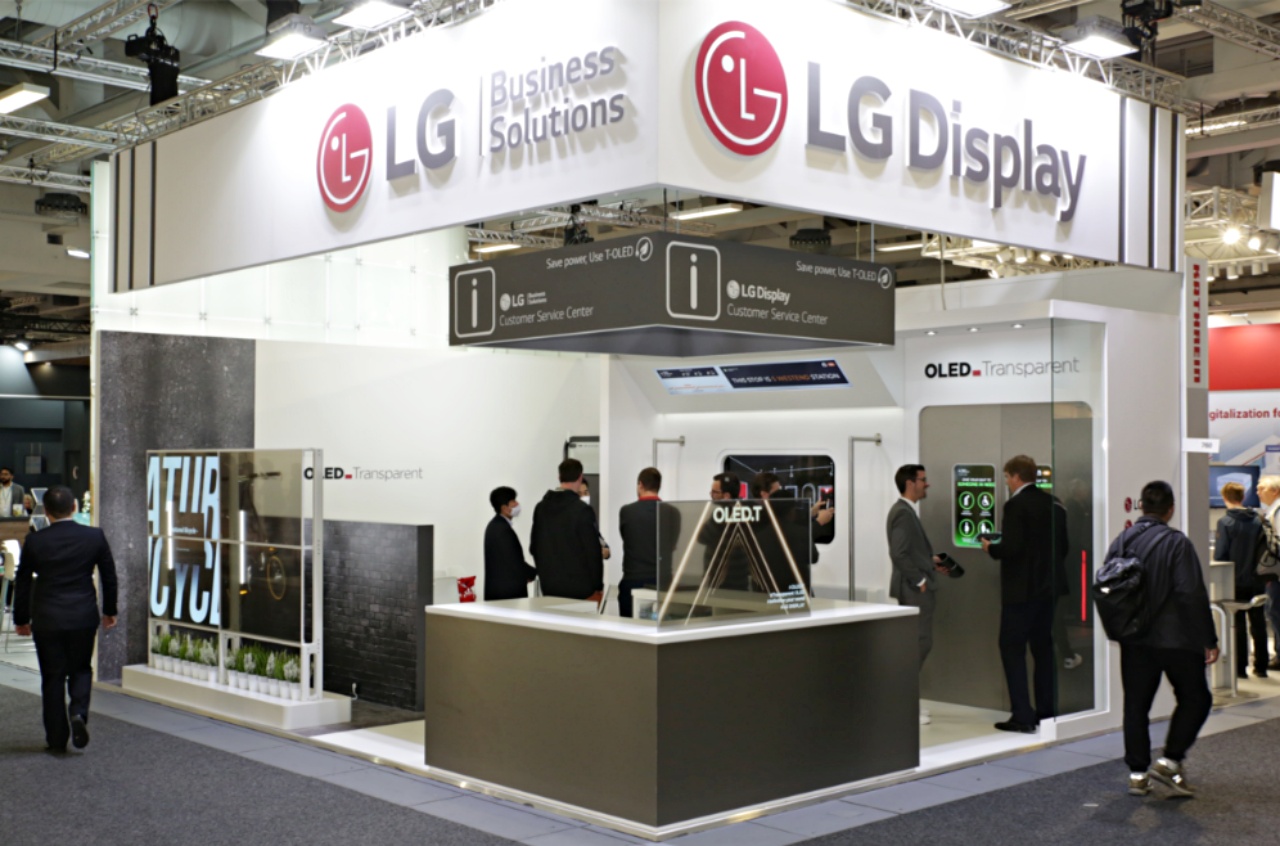
LG Display is halting activities in its production plant in Paju, Gyeonggi Province. This means the company will stop manufacturing LCD TV panels as the factory is shutting down this month.
According to The Korea Times, LG Display made the decision to close its LCD TV plant in South Korea this year because it is losing its competitiveness in the flat-screen display market. Business insiders said that this was due to the growing number of Chinese rivals that are making the same product but are sold at much cheaper prices.
As a result of the Paju plant’s closure, LG Display is also expected to put an end to its production of LCD TV panels at its P7 plant. This facility was completed in 2005 and started producing the panels the following year. The products that were manufactured here made the company, the leading LCD producer.
However, Chinese rivals cropped up and flooded the market with cheaper LCD panel products. These firms received large amounts of subsidies from their government and this was why they were able to offer LCDs at much lower prices.
But while the Chinese LCD panel producers prosper, LG Display started to lose sales, and its LCD business has been dropping since 2017. It continued in the next years, and the demand declined. This has led to the decision to shut down its Paju plant.
"The P7 is going to be closed six months to a year ahead of what we have said," LG Display’s chief financial officer, Kim Sung Hyun, said during the recent investors’ earnings conference call for Q3. "We cannot clearly tell the specific time as we are communicating with our customers and employees."
A business analyst also commented that the company may do better with its OLED business. This unit may grow fast and make up for the decline of its LCD biz. "In the second half of the year, it is expected that the company will make an operating profit of 900 billion won by improving the panel profit ratio and normalizing its OLED business thanks to the recovery of set demand," the analyst stated.













