


 U.S. Banks Report Strong Q4 Profits Amid Investment Banking Surge
  China's Refining Industry Faces Major Shakeup Amid Challenges
  Gulf Tensions Escalate as Iranian Missile Attacks Fail and Nuclear Talks Remain Stalled
  US Stock Futures Slide as Broadcom Earnings Miss Sparks Chip Stock Selloff
  South Korea to End Short-Selling Ban as Financial Market Uncertainty Persists
  Oil Prices Climb as Middle East Tensions Escalate and Ceasefire Prospects Fade
  US Dollar Poised for Weekly Gain as Middle East Tensions and Payroll Data Boost Market Focus
  US Stock Futures Slide as Broadcom Sparks Tech Selloff Ahead of Key Jobs Report
  Investors value green labels — but not always for the right reasons
  Oil Prices Slip but End Two-Week Losing Streak as Middle East Tensions Persist in 2026
  Fitch Cuts Global Growth Outlook for 2026 as Oil Shock From U.S.-Iran Conflict Weighs on Economy
  Oil Prices Ease After Rally as Traders Weigh Middle East Risks and U.S. Supply Tightening
  US Employment Growth Likely Slowed in May as Labor Market Remains Stable Amid Oil Price Pressures
  Apple Downgraded by Jefferies Amid Weak iPhone Sales and AI Concerns
  UK Markets Face Rising Volatility as Hedge Funds Target Pound and Gilts
  China’s Growth Faces Structural Challenges Amid Doubts Over Data
  Bitcoin Hits $100K Milestone Amid Optimism Over Trump Policies


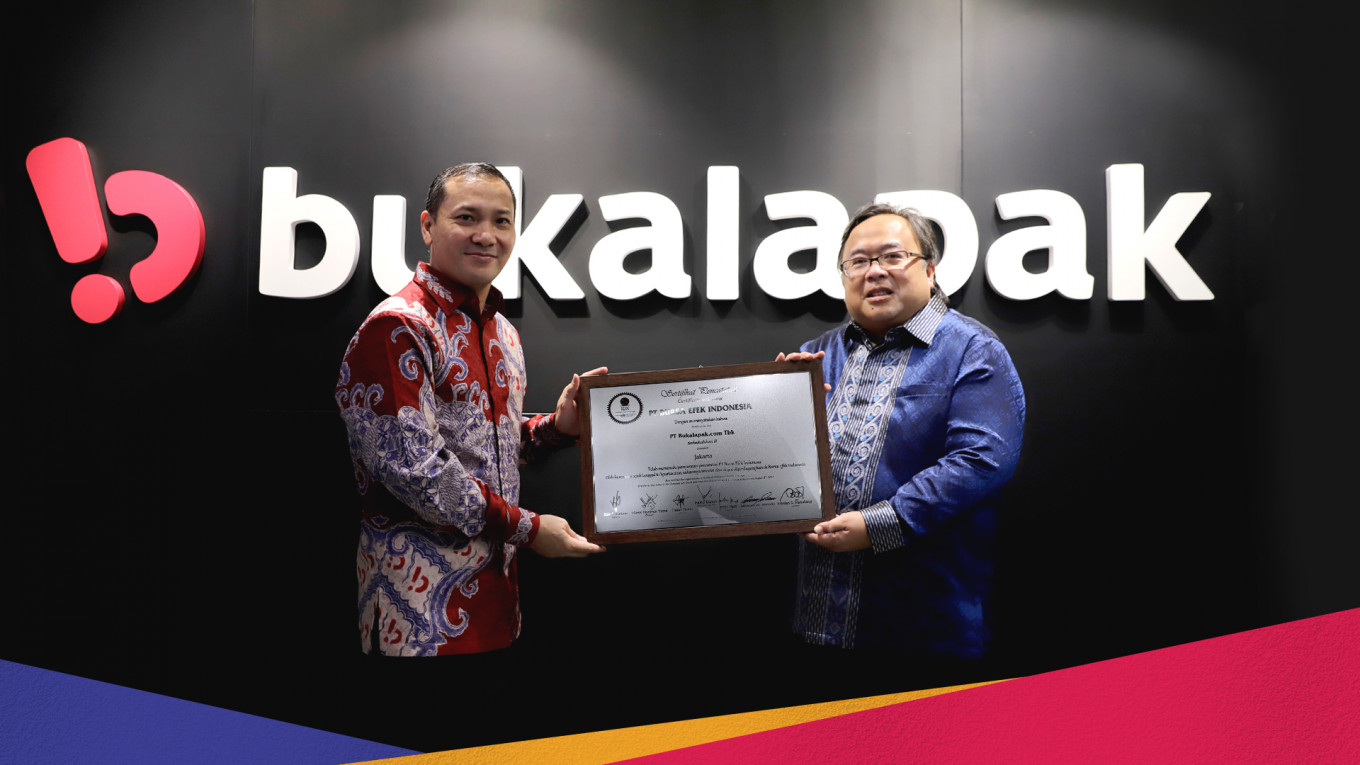
Jakarta-based e-commerce company Bukalapak pulled off Indonesia's biggest initial public offering on the Indonesian Stock Exchange, raising about $1.5 billion.
With shares priced at about $0.06, it shot up nearly 25 percent in its first trading session.
The offering was 8.7 times oversubscribed, with orders coming from almost 100,000 investors, said Silva Halim of Mandiri Sekuritas, one of the deal's underwriters.
Bukalapak is now planning to exercise an over-allotment option for retail investors.
The company will use its IPO proceeds to roll out more features for its merchants, allowing them to offer more products and services.
The Jakarta-based firm teamed up with millions of local mom-and-pop shops to facilitate online orders.
Consumers may use Bukalapak's systems for topping up phone credits, booking bus tickets, or making other purchases.
The company is backed by big-name investors, including Microsoft and Standard Chartered.
Bukalapak president Teddy Oetomo said they are seeking to achieve profitability in less than 36 months.







