


 Samsung Electronics Shares Jump on HBM4 Mass Production Report
  Trump Lifts 25% Tariff on Indian Goods in Strategic U.S.–India Trade and Energy Deal
  Baidu Approves $5 Billion Share Buyback and Plans First-Ever Dividend in 2026
  Japanese Pharmaceutical Stocks Slide as TrumpRx.gov Launch Sparks Market Concerns
  SpaceX Pushes for Early Stock Index Inclusion Ahead of Potential Record-Breaking IPO
  Dollar Near Two-Week High as Stock Rout, AI Concerns and Global Events Drive Market Volatility
  Asian Markets Surge as Japan Election, Fed Rate Cut Bets, and Tech Rally Lift Global Sentiment
  Global Markets Slide as AI, Crypto, and Precious Metals Face Heightened Volatility
  Oil Prices Slip as U.S.-Iran Talks Ease Middle East Tensions
  Japan Economy Poised for Q4 2025 Growth as Investment and Consumption Hold Firm
  Global PC Makers Eye Chinese Memory Chip Suppliers Amid Ongoing Supply Crunch
  SoftBank Shares Slide After Arm Earnings Miss Fuels Tech Stock Sell-Off
  U.S.-India Trade Framework Signals Major Shift in Tariffs, Energy, and Supply Chains
  Kroger Set to Name Former Walmart Executive Greg Foran as Next CEO
  Weight-Loss Drug Ads Take Over the Super Bowl as Pharma Embraces Direct-to-Consumer Marketing
  Asian Stocks Slip as Tech Rout Deepens, Japan Steadies Ahead of Election
  Toyota’s Surprise CEO Change Signals Strategic Shift Amid Global Auto Turmoil


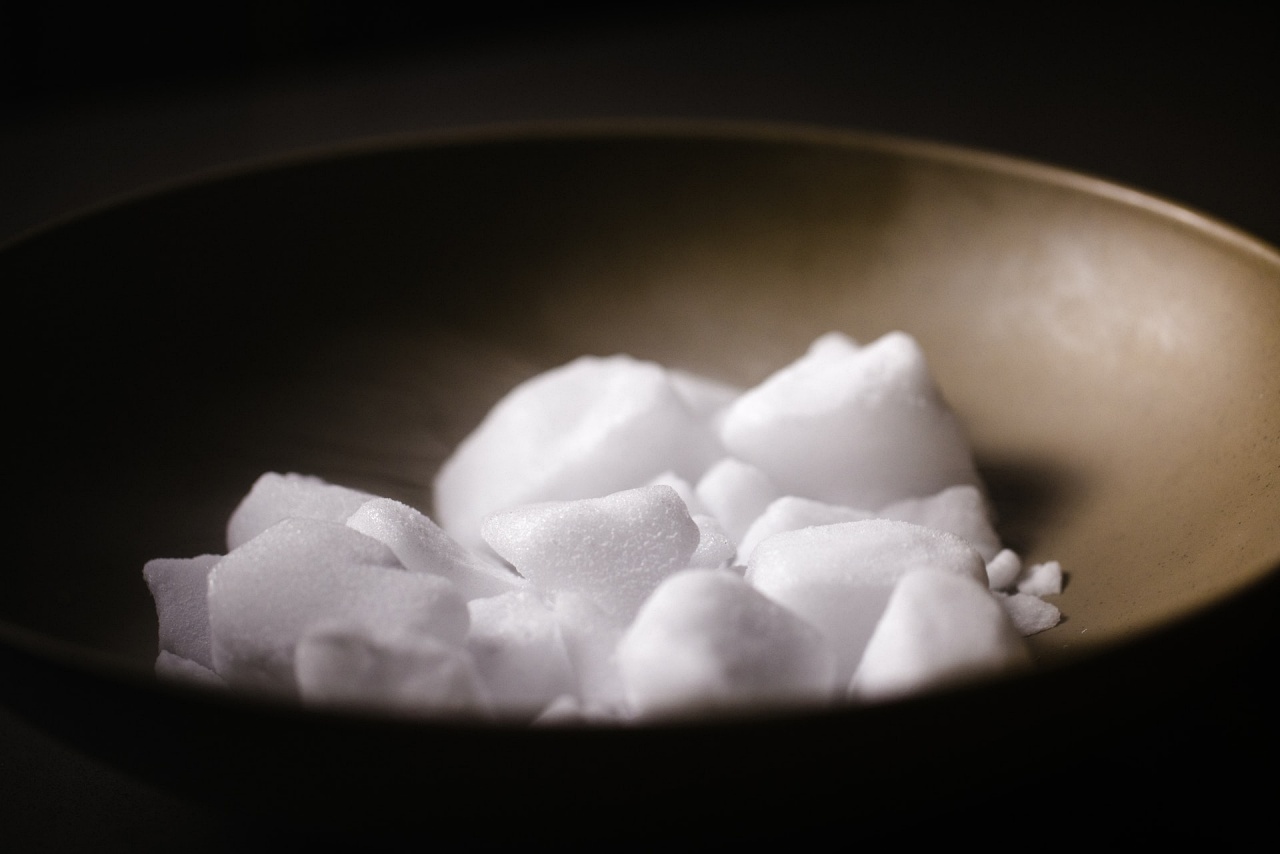
South Korean food and beverage firms, including powerhouses Orion and Crown, are reassessing the use of aspartame following its recent categorization by the World Health Organization (WHO) as a potential carcinogen. In a bid to maintain consumer trust and health, the industry seeks safer sweetening alternatives.
Many Korean companies in the food and beverage business are debating whether to continue using the sugar substitute in their products since the health organization discovered the additive could be a carcinogenic artificial sweetener. Companies are worried that customers may feel uncomfortable consuming foods and drinks with aspartame, even in the smallest amount; thus, they are now looking for alternatives.
The Korea Times noted that the World Health Organization recently placed aspartame under the Group 2B category, which means there is limited evidence that shows the substance may cause cancer. Since the finding was public, local firms have taken a cautious stance regarding the issue.
For instance, two leading Korean snack and confectionery companies - Orion and Crown - have started searching for the best alternative to sweeten their products without sugar. It was revealed that Orion typically uses 0.01% of aspartame on average, which has little effect on the consumers' health.
"Although we use a minimal amount of aspartame in 10 of our snack products, we decided to replace it with other artificial sweeteners considering the public's concern over it," an official of Orion said in a statement. "There are many alternatives we can use, but we just need to figure out what will best maintain the quality of our product."
Crown Confectionary also said it is looking for a new sweetener not because it can affect customers' health but because it would like to take away their anxiety when they buy and eat their products. On the other hand, Lotte Chilsung Beverage, the country's official distributor of Pepsi Zero, said it would continue to use aspartame.
An official at Lotte Chilsung Beverage said, "We have received an official stance from Pepsi Cola's headquarters in the United States that it is using safe amounts of aspartame in the soft drink. We will continue to offer the best quality products to consumers."
Last week, WHO announced its new discovery about aspartame and suggested that it should be categorized as "possibly carcinogenic to humans." After this announcement, food and beverage companies in Korea acted quickly to find replacements, as per Pulse News.
Photo by: Jason Leung/Unsplash













