


 U.S. Announces Additional $6 Million in Humanitarian Aid to Cuba Amid Oil Sanctions and Fuel Shortages
  South Korea Assures U.S. on Trade Deal Commitments Amid Tariff Concerns
  Trump Backs Nexstar–Tegna Merger Amid Shifting U.S. Media Landscape
  Trump Endorses Japan’s Sanae Takaichi Ahead of Crucial Election Amid Market and China Tensions
  U.S. to Begin Paying UN Dues as Financial Crisis Spurs Push for Reforms
  U.S.-India Trade Framework Signals Major Shift in Tariffs, Energy, and Supply Chains
  Nighttime Shelling Causes Serious Damage in Russia’s Belgorod Region Near Ukraine Border
  Trump Lifts 25% Tariff on Indian Goods in Strategic U.S.–India Trade and Energy Deal
  Jack Lang Resigns as Head of Arab World Institute Amid Epstein Controversy
  Trump Says “Very Good Talks” Underway on Russia-Ukraine War as Peace Efforts Continue
  TrumpRx.gov Highlights GLP-1 Drug Discounts but Offers Limited Savings for Most Americans
  Iran–U.S. Nuclear Talks in Oman Face Major Hurdles Amid Rising Regional Tensions
  India–U.S. Interim Trade Pact Cuts Auto Tariffs but Leaves Tesla Out
  Pentagon Ends Military Education Programs With Harvard University
  Japan Election 2026: Sanae Takaichi Poised for Landslide Win Despite Record Snowfall
  China Warns US Arms Sales to Taiwan Could Disrupt Trump’s Planned Visit
  Trump Signs Executive Order Threatening 25% Tariffs on Countries Trading With Iran


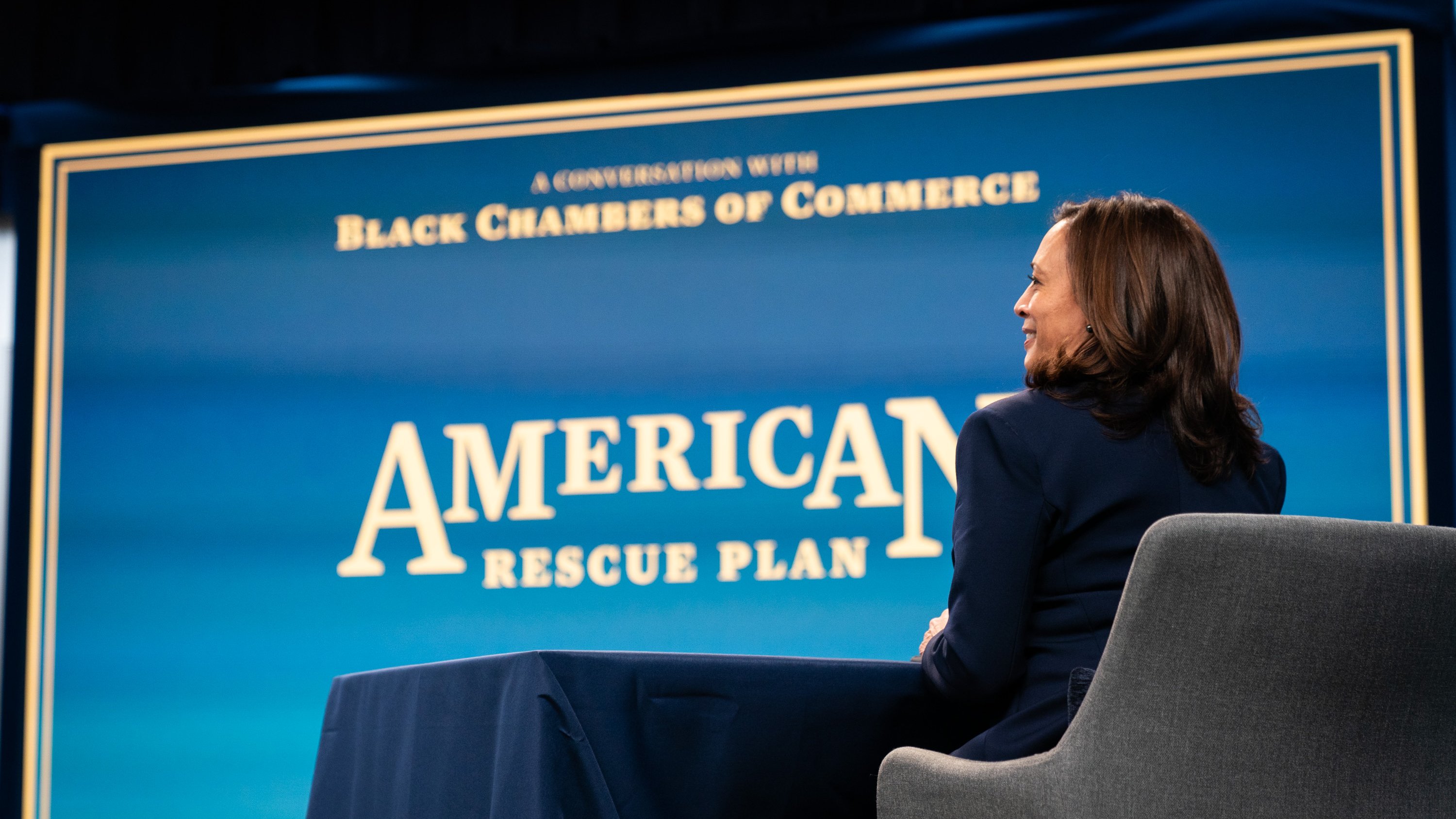
With an evenly divided Senate, Vice President Kamala Harris gives the Democratic party the majority through her tie-breaking votes. Last week, Harris exercised her tie-breaking powers in the Senate with the COVID-19 relief within minutes.
In the early hours of Friday morning, Harris made use of her tie-breaking powers in the Senate to cast the deciding vote on a COVID-19 budget resolution that allowed the Democratic Senators to pass the coronavirus relief package regardless of Republican support. 21 minutes prior, Harris cast the deciding vote on an amendment. Despite wielding the ability to cast the deciding vote as the Senate is now evenly split, there is still the hope that bipartisanship would be sought by the upper chamber.
“Since our nation’s founding, only 268 tie-breaking votes have been cast by a Vice President. I intend to work tirelessly as your Vice President, including, if necessary, fulfilling this Constitutional duty. At the same time, it is my hope that rather than come to the point of a tie, the Senate will instead find common ground and do the work of the American people,” wrote Harris in a statement before she assumed her vice presidential duties.
Nevertheless, Harris said during a roundtable discussion with the local Black Chambers of Commerce later that day that she enjoyed being at the Senate even at the early hours of the morning. Her tie-breaking votes have been a sharp contrast to Joe Biden, who never had to cast the tie-breaking vote during his two terms as Vice President to Barack Obama.
Also last week, Harris spoke with Canadian Prime Minister Justin Trudeau regarding some cross-border concerns like the “Buy American” policy as well as climate change and promoting diversity and Democratic principles. The readout from their conversation issued by Harris’ office did not reference Biden’s promise to prioritize US-based suppliers and businesses in the policy. The readout from Trudeau’s office, however, revealed that they discussed the “unintended consequences of the Buy American policy.”
Trudeau was the first world leader that Biden reached out to following his swearing-in. Both leaders have reaffirmed the relations between the two countries despite a rocky start as Biden issued an executive order to cancel the Keystone XL pipeline.













