


 Office design isn’t keeping up with post-COVID work styles - here’s what workers really want
  Nvidia CEO Jensen Huang Says AI Investment Boom Is Just Beginning as NVDA Shares Surge
  Oil Prices Slide on US-Iran Talks, Dollar Strength and Profit-Taking Pressure
  TrumpRx Website Launches to Offer Discounted Prescription Drugs for Cash-Paying Americans
  Weight-Loss Drug Ads Take Over the Super Bowl as Pharma Embraces Direct-to-Consumer Marketing
  OpenAI Expands Enterprise AI Strategy With Major Hiring Push Ahead of New Business Offering
  How to support someone who is grieving: five research-backed strategies
  Trump Endorses Japan’s Sanae Takaichi Ahead of Crucial Election Amid Market and China Tensions
  South Africa Eyes ECB Repo Lines as Inflation Eases and Rate Cuts Loom
  Sony Q3 Profit Jumps on Gaming and Image Sensors, Full-Year Outlook Raised
  Instagram Outage Disrupts Thousands of U.S. Users
  What’s the difference between baking powder and baking soda? It’s subtle, but significant
  Gold and Silver Prices Slide as Dollar Strength and Easing Tensions Weigh on Metals
  Bank of Japan Signals Readiness for Near-Term Rate Hike as Inflation Nears Target
  AI is driving down the price of knowledge – universities have to rethink what they offer
  Silver Prices Plunge in Asian Trade as Dollar Strength Triggers Fresh Precious Metals Sell-Off
  Yes, government influences wages – but not just in the way you might think


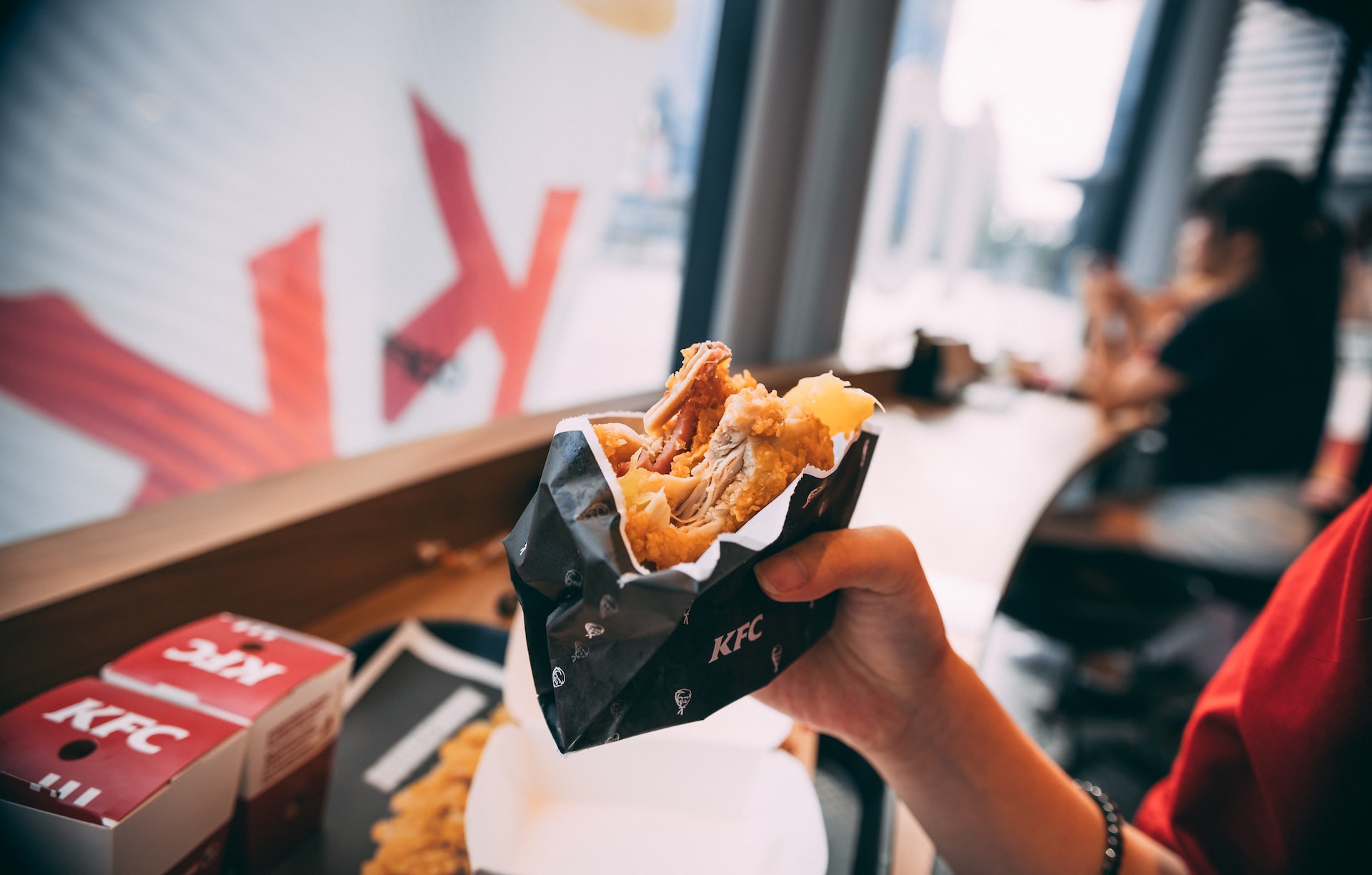
A UBS analysis reveals that KFC has surpassed McDonald's in inflating Australian menu prices, hitting customers with hikes up to 25% for popular items, despite falling costs for wheat, canola oil, and cheese. Amid a broad-based food price surge, this fast-food giant manages to maintain a relative edge over its competitor.
According to UBS, a Zinger burger combo has jumped from $8.95 to $10.95 since June last year, marking an increase of 22%. In addition, a pack of six nuggets has risen by a staggering 25% to $7.45. Interestingly, while individual items and meal combos at KFC increased in price at a faster pace than McDonald's, they were still generally cheaper than their McDonald's equivalents.
Although chicken prices reportedly peaked late last year, wheat, canola oil, and cheese prices have fallen. Despite KFC facing higher food costs, Collins Foods, which operates more than 260 KFC outlets in Australia, has claimed that it will try to increase prices in a way that does not annoy customers to boost its profitability. The significant increase in food prices is a primary driver of household financial pressures, with fast food a significant contributor to the food inflation rate of 7.9%.
Recent concerns regarding the rising cost of food amid the pandemic and subsequent cost-of-living crisis have sparked criticism, with some accusing food manufacturers and retailers of inflationary profiteering.
According to UBS, KFC products are now priced at an average 6% discount to McDonald's equivalents across a sample set of six menu products. However, one year ago, KFC products were 18% cheaper. Despite the industry's challenges, Collins Foods, which operates many Taco Bells in Australia, has been an early standout stock market performer during the pandemic, with surging demand for takeaway.
Meanwhile, KFC's South Penrith eatery serves delicious meals and makes a bold eco-friendly statement. The Form4 Architecture-designed restaurant, made out of 99% recycled materials, is a visual treat of sustainability.
Partnering with local start-up saveBOARD, KFC has utilized sustainable wall and ceiling tiles in the front of the house and opening spaces. This innovative use of materials signifies a future-forward approach that will be deployed in their new Australian outlets and retrofitted into existing stores.
Photo: Ziyang Hsiung/Unsplash













