


 GesiaPlatform Launches Carbon-Neutral Lifestyle App ‘Net Zero Heroes’
  Japan Private-Sector Growth Slows as Domestic Demand Weakens
  The pandemic is still disrupting young people’s careers
  US 10-Year Treasury Yield at 6% Emerges as New Market Risk Threshold
  Burkina Faso and Mali’s fabulous flora: new plant life record released
  The Beauty Beneath the Expressway: A Journey from Self to Service
  Rice feeds billions of people – but its role in fueling climate change is growing
  Why a ‘rip-off’ degree might be worth the money after all – research study
  China Reviews Broadcom Switch Use in State Data Centres
  1 in 3 uni students experience serious financial hardship. Could concession cards for all help?
  What is Zionism? The different meanings of a contested term
  Goldman Sachs Names Simon Lyons UK Investment Banking Co-Head
  Costco Revenue Beats Estimates as Inflation Drives Bulk Shopping
  Want to cut your energy bills? Here’s how five experts are doing it
  Drug pollution in water is making salmon take more risks – new research


 Add as a preferred source on Google
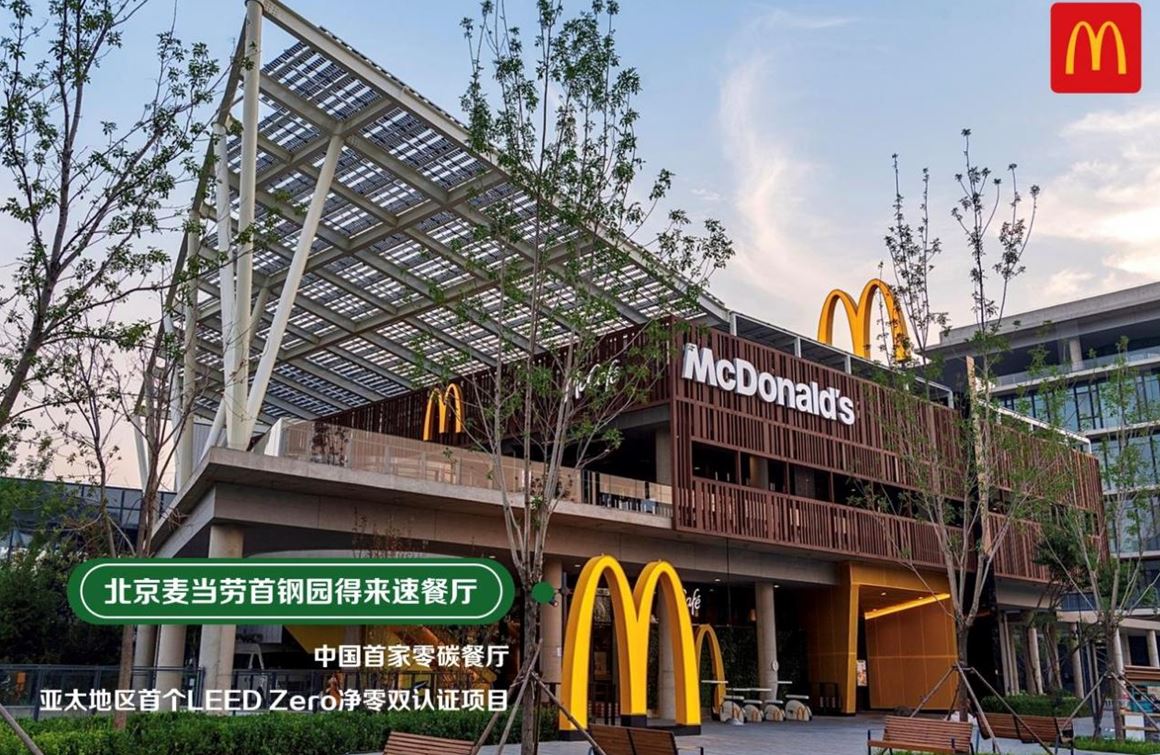
McDonald’s China will “embed green experiences throughout the consumer journey” to engage young, environmentally focused customers.
The marketing strategy aims to provide consumers with green experiences to advocate the benefits of a low-carbon lifestyle.
The fast-food giant has rolled out a range of marketing activities to promote opening its first carbon-zero restaurant in Beijing.
The activities include free food for those who use a navigation app and visit restaurants by bicycle or on foot. There would also be discounts on sustainable menu items, such as Filet-O-Fish, which uses 100% Marine Stewardship Council-certified codfish.
The green restaurant, powered by over 2,000 square meters of on-site solar panels, is among the 1,800 green restaurants that McDonald’s China commits to open across the country by the end of the year.
It would help achieve zero carbon emissions that the company targets by 2050.
The move also represents a significant strategic move for McDonald’s business in China, which is behind market leader KFC.
McDonald’s 5.6 percent market share in 2020, way behind KFC’s 11.6 percent.







