


 Air Canada Express Crash at LaGuardia: Controller Distracted by Prior Emergency
  Citi Names Eric Farina and Rob Cascarino to Lead Global Infrastructure Financing Group
  NAB Plans to Cut 170 Jobs While Expanding Offshore Operations
  Explosion and Fire Erupt at Valero Oil Refinery in Port Arthur, Texas
  SLMG Beverages Eyes Price Hikes Amid Rising Packaging Costs and India's Booming Soft Drink Market
  Golden Dome Missile Defense: Anduril and Palantir Join Forces on Trump's $185B Space Shield
  Nanya Technology Shares Surge 10% After $2.5 Billion Private Placement from Sandisk and Cisco
  Lynas Rare Earths Signs Vietnam Deal with LS Eco Energy to Boost Magnet Metal Production
  9 Tips for Avoiding Tax Season Cyber Scams
  SK Hynix Eyes Up to $14 Billion U.S. IPO to Fund AI Chip Expansion
  Global Flight Cancellations 2026: Middle East Air Travel Chaos Explained
  Innate Pharma Reports 55% Revenue Drop and €49.2M Net Loss for 2025
  Google's TurboQuant Algorithm Sends Memory Chip Stocks Tumbling
  Berkshire Hathaway and Tokio Marine Form Major Strategic Insurance Partnership
  Reflection AI Eyes $25 Billion Valuation in Massive $2.5 Billion Funding Round


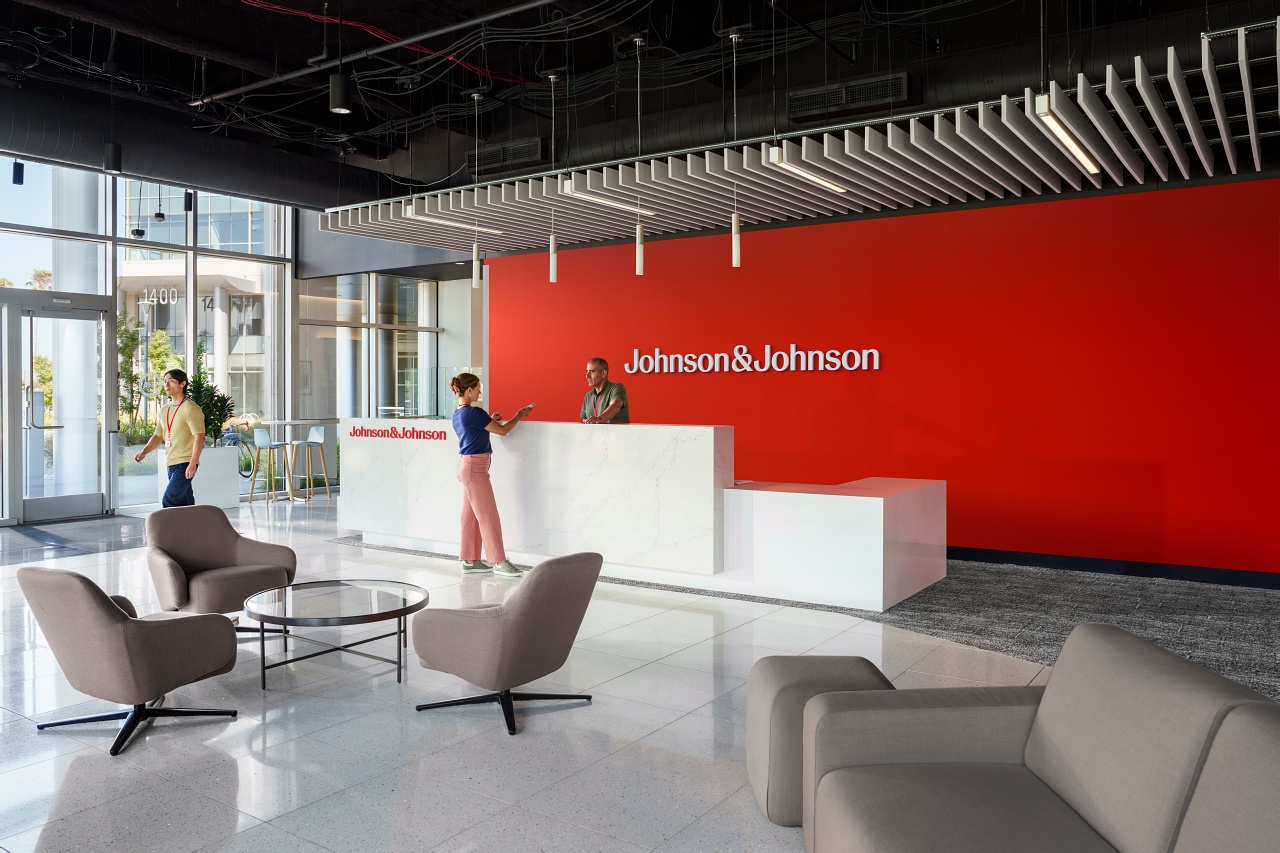
Johnson & Johnson confirmed on Monday, Jan. 8, that it is buying Ambrx cancer treatment developer Ambrx Biopharma for $2 billion. It will be paid in cash, and this acquisition deal comes as the company seeks to fill in a revenue gap expected to come in 2025 when its Stelara drug starts facing generic competition for treating an autoimmune disease called psoriasis.
Move to Diversify and Increase Revenues
According to CNBC, Johnson & Johnson announced the acquisition at the start of the annual JPMorgan Healthcare Conference. This move is seen as J&J’s entry into the ADC market that has recently been infiltrated by its rivals like Merck, Pfizer, and AbbVie, who have also acquired smaller drugmakers to bet on ADC.
The deal is a strategic decision since its top-selling Stelara drug is expected to face competition in the coming years. This means the company is preparing to produce new treatments that can provide revenues in case of a sales slowdown. The deal simply presents new opportunities for Johnson & Johnson, not only financially but also in having the chance to deliver new drugs that can transform cancer treatment and improve patients’ lives.
Terms of the Buyout Deal
As the agreement indicates, Johnson & Johson will pay $28 for every share of Ambrx or double the company’s Friday closing price, which was settled at $13.63. The New Brunswick, New Jersey-headquartered pharma and medical technologies company expects to complete the deal within the first two quarters of this year.
“Ambrx’s ADC technology offers unique advantages in the conjugation of stable antibodies and cytotoxic linker payloads, which results in engineered ADCs that effectively kill cancer cells and limit toxicities,” Johnson & Johnson Innovative Medicines’ area head of global therapeutic, Yusri A. Elsayed, M.D., M.H.Sc., Ph.D., said in a press release. “The results seen to date with ARX517 in mCRPC are promising and represent a potential first- and best-in-class targeted therapy for the treatment of this aggressive disease.”
The innovative medicine unit’s area leader for prostate cancer disease, Margaret Yu, M.D., further commented, “With a median overall survival of less than two years and novel hormonal therapies moving earlier in the disease, significant unmet need remains in the treatment of mCRPC, we see a unique opportunity to harness the potential of this innovative ADC platform, and with our deep understanding of prostate cancer, deliver a targeted PSMA therapeutic for addressing the growing needs of the more than 185,000 patients living with metastatic castration-resistant disease today1.”
Photo by: Johnson & Johnson Media Center







