


 AI Stocks Rally in Asia as Oil Surge and Hawkish Central Banks Shake Global Markets
  Gold Prices Hold Steady as Iran War and Interest Rate Outlook Weigh on Markets
  Samsung Reports Record Profit as AI Boom Drives Memory Chip Demand
  China’s Ultra-Cheap EV Boom: Why Electric Cars Cost Far Less Than in the U.S.
  Nippon Express Stock Jumps as Elliott Investment Signals Strong Foreign Interest in Japan Logistics Sector
  Yen Weakens After Intervention Spike as Dollar Stabilizes Amid Global Tensions
  US Dollar Weakens as Yen Surges Amid Japan Intervention and Central Bank Moves
  EU Warns of Response as U.S. Considers 25% Tariffs on Car Imports
  Google Secures Pentagon AI Deal for Classified Projects
  Microsoft Azure Growth Forecast Beats Expectations Amid Rising AI Competition
  US Stock Futures Mixed as Fed Holds Rates, Oil Prices Surge, and Big Tech Earnings Drive Market Moves
  Australia Targets Meta, Google, and TikTok With New News Payment Tax Proposal
  T-Mobile Beats Q1 Earnings Expectations on Strong Postpaid Growth
  Oil Prices Fall as Iran Proposes New Deal Amid Ongoing U.S. Tensions
  Markets Stay Strong Despite Oil Shock Concerns as Earnings Drive Investor Confidence
  Panama Defends Port Takeover Amid U.S.-China Tensions and Canal Dispute


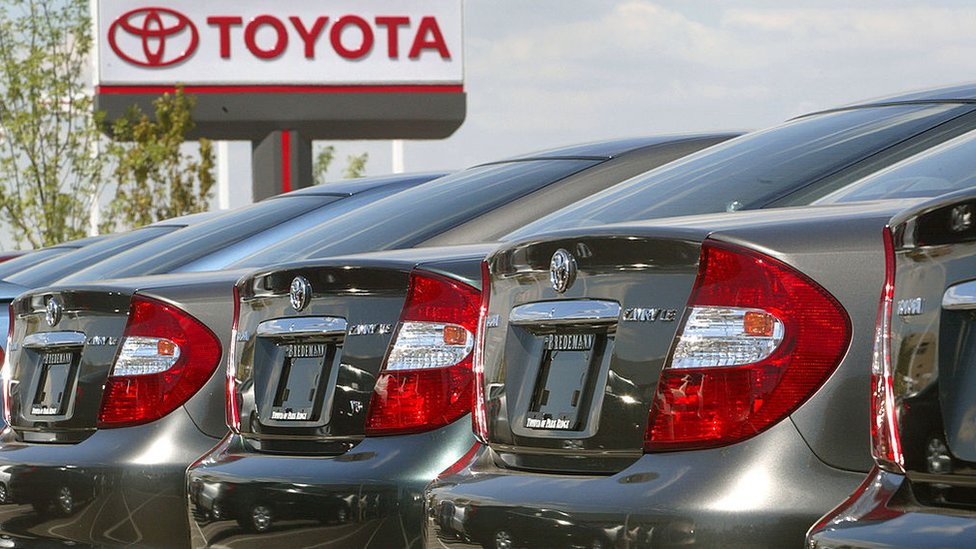
Japanese automakers accounted for about 20,500 out of the over 1.89 million cars in South Korea in 2020, dropping their market share to 1.1 percent due to their declining attractiveness and a boycott of Japanese products.
The number of cars sold in South Korea last year, including 270,000 imported brands, was an all-time high.
According to the Korea Automobile Importers & Distributors Association, Japan's Lexus, Toyota, Honda, Nissan, and Infiniti accounted for 35.5 percent of the South Korean market in 2008.
In 2016, Japanese carmakers sold over 30,000 cars in South Korea, which increased to 45,253 in 2017.
The Japanese carmakers were able to sell 36,661 cars in the market in 2019 despite the boycott.
Experts attributed the low sales of Japanese cars in South Korea to its unattractive design, the slow pace of innovation, and lack of convenience features.
The HI Investment & Securities research center pointed out that South Koreans find the design of Japanese cars unattractive, while local cars are improving fast in terms of design and quality.
The center added that Japanese automakers have recently slowed down in introducing innovation.







