


 U.S. Oil Prices Slide as Middle East Ceasefire Talks Spark Market Optimism
  Asian Currencies Weaken as Dollar Rebounds Amid Middle East Uncertainty and Japan Inflation Data
  Trump Tariffs Show Minimal Economic Impact but Boost Federal Revenue, Study Finds
  U.S. Dollar Weakens as Trump Signals Iran Deal Possibility
  Asian Markets Rally as Oil Prices Tumble and Middle East Peace Hopes Emerge
  Bank of Japan Officials Signal Continued Interest Rate Hikes Amid Inflation Concerns
  Australia-EU Free Trade Deal Signed After Years of Negotiations
  Oil Prices Plunge Over 6% as Middle East Ceasefire Hopes Ease Supply Fears
  Iran-Israel Missile Strikes Continue Amid Mixed Signals on U.S.-Iran Diplomacy
  Middle East War Rattles Global Markets as Oil Tops $100 and Dollar Surges
  Japan Eyes Oil Futures Intervention to Stabilize Yen Amid Middle East Crisis
  UK Consumer Confidence Weakens Amid Middle East Conflict and Rising Living Costs
  WTO Reform Talks Begin in Cameroon Amid Global Trade Tensions
  Oil Prices Rebound as Iran Denies U.S. Talks, Middle East Tensions Persist
  Gold Prices Climb as Middle East Ceasefire Talks Stir Market Optimism
  Bank of Japan Eyes April Rate Hike Despite Inflation Dip, ING Says
  Oil Prices Climb as Iran Reviews U.S. Peace Proposal Amid Middle East Tensions


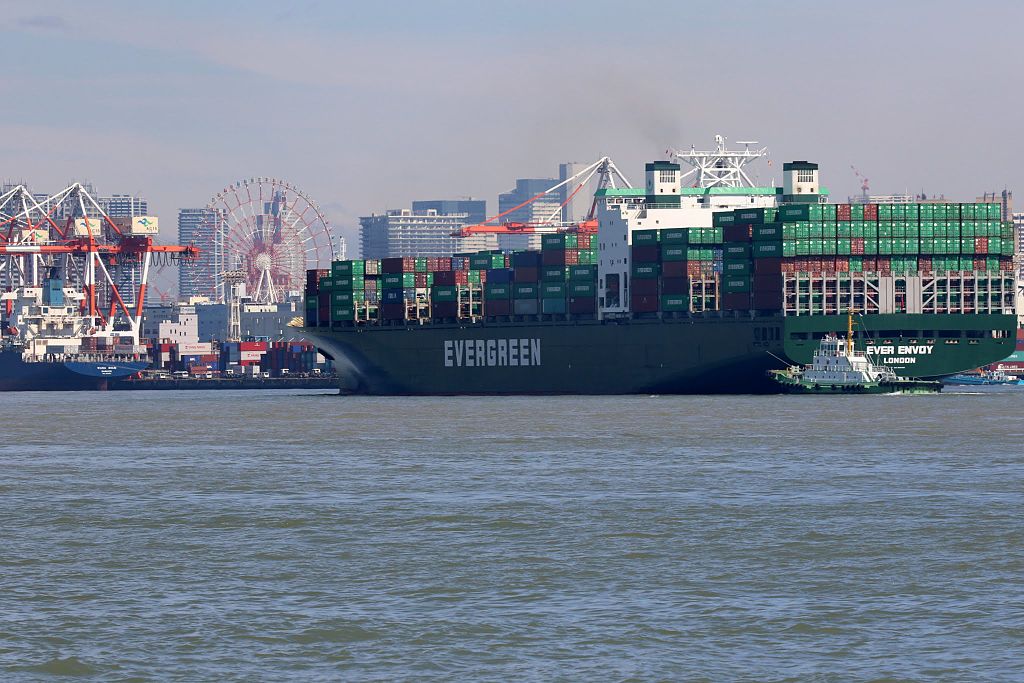
Japan posted a smaller-than-expected trade surplus in June as exports continued to struggle under the weight of U.S. tariffs and weakening global demand. The country logged a trade surplus of 153.1 billion yen ($1 billion), below market forecasts of 353.9 billion yen. However, it marked an improvement from the 638.6 billion yen deficit in May.
Exports fell 0.5% year-on-year, missing expectations for a 0.5% increase and marking the second straight month of decline. The dip reflects ongoing pressure from a 25% tariff imposed by the U.S. on foreign automobiles, which directly impacts Japan’s auto industry—a key driver of the country’s exports. Japanese steel exports also faced similar headwinds. The trade tensions with the U.S. have heavily weighed on Japan’s overall export performance.
Demand from China, another major trading partner, also showed signs of cooling, amid a broader economic slowdown and reduced consumer spending triggered by U.S.-China trade frictions.
On a more positive note, Japan's domestic demand showed resilience. Imports grew 0.2% year-on-year, significantly beating expectations of a 1.6% drop and rebounding from a sharp 7.7% decline the previous month. The data suggests a modest recovery in local consumption.
Looking ahead, Japan is set to face a 25% tariff on all exports to the U.S. starting August 1. Despite ongoing negotiations, talks with Washington have recently stalled, as Tokyo continues to push for full exemption from the U.S. trade measures.
The uncertain trade outlook raises concerns for Japan’s export-reliant economy, with risks mounting from both geopolitical tensions and global economic headwinds. As Japan navigates these challenges, its policymakers are under pressure to secure trade stability and support domestic demand.













