


 Robinhood Q2 Earnings Beat Estimates, But HOOD Stock Falls as Investors Question Profit Quality
  Meta Stock Drops After Earnings Miss as AI Spending and Legal Costs Weigh on Profit
  Barclays Q2 Profit Beats Forecasts as Investment Banking Strength Offsets Higher Costs
  GSK Unveils $2.52 Billion Cost-Cutting Plan to Accelerate Drug Pipeline
  Sony Eyes $1.3 Billion Tamron Acquisition as Lens Maker Reviews Offer
  SpaceX Wins $1.6 Billion U.S. Space Force Launch Contracts for Falcon 9 Missions Through 2027
  Air Liquide Q2 Sales Growth Tops Forecast as Electronics Business Drives Strong Performance
  BHP, Port Hedland Unions Fail to Reach Wage Deal as Negotiations Continue
  OpenAI Revenue Surges After GPT-5.6 Launch as IPO Expectations Grow
  SK Hynix Q2 Profit Hits Record as AI Memory Chip Demand Fuels Growth
  Chipotle Q2 Earnings Beat Expectations as Sales Growth Drives Higher 2026 Outlook
  Samsung Q2 Profit Surges on AI Memory Chip Demand, Forecasts Strong Second Half
  Philips Shares Slide 10% Despite Earnings Beat as Weak Orders Raise Growth Concerns
  Unilever Raises 2026 Sales Outlook After Strong Q2 Volume Growth
  TSMC Gradually Restarts Japan Chip Plant After Kumamoto Earthquake
  Zhongji Innolight Raises $6.8 Billion in Hong Kong IPO as AI Demand Fuels Growth


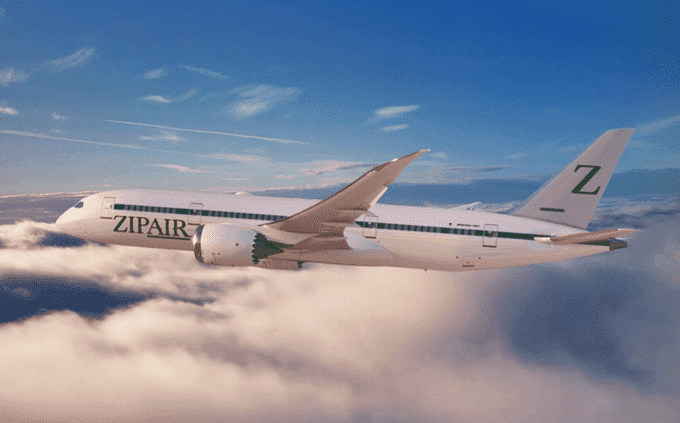
Most of Japan's low-cost airlines may soon be relying on cargo transportation to balance infection prevention with profitability until higher seat occupancies are allowed.
Budget carrier unit Zipair Tokyo Inc., which is owned by Japan Airline Co., began using a B-787 jet to carry cargo from Narita to Bangkok instead of passengers as initially planned.
According to Tomohiko Nakamura, a Kobe International University professor who is versed in the aviation business, low-cost carriers have to look for measures to survive, including turning to cargo flights for a while0
.
He added that it would take a long time for passenger flights to recover to pre-pandemic levels and that low-cost flights could be a thing of the past.
Yasuhito Tsuchiya, a senior analyst at Mitsubishi UFJ Morgan Stanley Securities Co., noted that to make a profit, the seat occupancy rate for low-cost carriers needs to be between 70 and 80 percent.
Jetstar Japan Co., which is restoring flights in stages, will not take reservations for middle seats, the same preventive measure taken by Japan Airlines, which officials admit is impossible to sustain unless it raises fares.
Meanwhile, Peach Aviation does not take special measures for customer spacing as its aircraft have sophisticated ventilation systems.
Jetstar Japan and Peach Aviation do not face financial trouble as they have enough funding to deal with the current crisis but would face a long road to resume full operations.
Jetstar is affiliated with Japan Airlines Co., while Peach Aviation is a group company of ANA Holdings Inc.
Tsuchiya said that budget airlines should closely coordinate with their parent companies in serving routes not covered by the big carriers.







