


 Dollar Steadies Ahead of ECB and BoE Decisions as Markets Turn Risk-Off
  U.S. Stock Futures Slide as Tech Rout Deepens on Amazon Capex Shock
  Oil Prices Slide on US-Iran Talks, Dollar Strength and Profit-Taking Pressure
  Dow Hits 50,000 as U.S. Stocks Stage Strong Rebound Amid AI Volatility
  Gold Prices Slide Below $5,000 as Strong Dollar and Central Bank Outlook Weigh on Metals
  Gold and Silver Prices Rebound After Volatile Week Triggered by Fed Nomination
  Dollar Near Two-Week High as Stock Rout, AI Concerns and Global Events Drive Market Volatility
  South Africa Eyes ECB Repo Lines as Inflation Eases and Rate Cuts Loom
  South Korea Assures U.S. on Trade Deal Commitments Amid Tariff Concerns
  Silver Prices Plunge in Asian Trade as Dollar Strength Triggers Fresh Precious Metals Sell-Off
  Trump Lifts 25% Tariff on Indian Goods in Strategic U.S.–India Trade and Energy Deal
  China Extends Gold Buying Streak as Reserves Surge Despite Volatile Prices
  South Korea’s Weak Won Struggles as Retail Investors Pour Money Into U.S. Stocks
  RBI Holds Repo Rate at 5.25% as India’s Growth Outlook Strengthens After U.S. Trade Deal
  Asian Stocks Slip as Tech Rout Deepens, Japan Steadies Ahead of Election
  Bank of Japan Signals Readiness for Near-Term Rate Hike as Inflation Nears Target


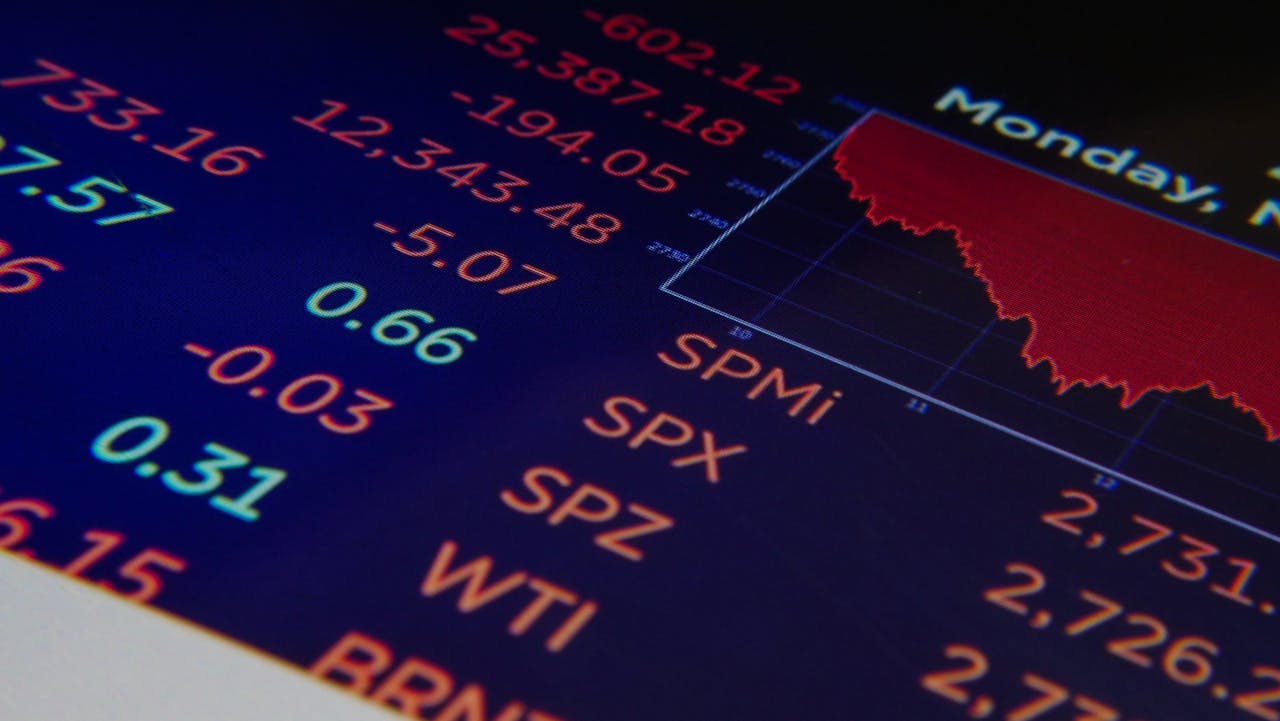
Japanese stocks plunged on Friday, hitting their lowest levels since August as market fears over a global recession intensified following U.S. President Donald Trump’s sweeping tariff announcement. The Nikkei 225 fell 2.6% to 33,818.18 as of 0230 GMT, putting it on track for a 9% weekly decline—its sharpest since March 2020. The broader Topix index dropped 3.5% to 2,477.96, eyeing a 10% weekly loss.
The selloff followed a brutal session on Wall Street, where the S&P 500 saw one of its worst single-day losses in years, wiping out $2.4 trillion in market value. Investor sentiment soured rapidly after Trump introduced the steepest U.S. trade barriers in over a century, pushing traders toward safe-haven assets like the Japanese yen—adding further pressure on export-heavy Japanese equities.
Hiroyuki Ueno, chief strategist at Sumitomo Mitsui Trust Asset Management, noted that investors shifted to a risk-off mode, aggressively selling holdings. On Friday, 28 of the Tokyo Stock Exchange’s 33 industry sub-indexes were in the red, with bank stocks taking the hardest hit. The banking sector fell 10% in a single session and is heading for a record 20% weekly drop.
Bank shares, once favored on expectations of rising interest rates, are now under pressure as concerns mount that the Bank of Japan may delay policy tightening. Mitsubishi UFJ Financial Group shares plunged 10.3%, marking their worst day since August.
Meanwhile, defensive domestic stocks gained. Real estate firm Mitsui Fudosan climbed 5%, and East Japan Railway rose 3.8%. BOJ Deputy Governor Shinichi Uchida reiterated that rate hikes remain on the table, but the central bank is closely watching the fallout from higher U.S. tariffs.













