


 Trump Administration Launches Trade Investigations Against 16 Countries Over Industrial Overcapacity
  U.S. Futures Slide as Oil Prices Surge on Middle East Shipping Attacks
  Diesel Price Surge Threatens Global Economy Amid Middle East Conflict
  U.S. Markets Slip Amid Iran Conflict Uncertainty as Oil Prices Retreat
  Dollar Stabilizes Amid Iran War Uncertainty as Oil Prices Remain Elevated
  Asian Stock Markets Rise as Oil Prices Pull Back; U.S. CPI in Focus
  Venezuela Names Paula Henao as New Oil Minister Amid U.S.-Led Industry Overhaul
  RBA Set for Back-to-Back Rate Hikes, Westpac Forecasts
  Iran-Israel War Sparks Global Oil Crisis as Tankers Burn in Gulf Waters
  Gold Prices Slip as U.S.-Israel-Iran War Fuels Dollar and Oil Demand
  IEA Plans Record Emergency Oil Release Amid Iran Strait of Hormuz Crisis
  ANZ and Westpac Forecast Two RBA Rate Hikes in March and May 2026
  Oil Prices Surge Toward $100/Barrel After Tanker Attacks in Iraqi Waters
  German Exports Drop 2.3% in January, Exceeding Forecast Decline
  Dollar Strengthens Amid Oil Price Surge and Inflation Fears
  Asian Currencies Face Pressure as U.S.-Iran Conflict Weighs on Markets
  Asian Markets Retreat as Oil Prices Surge Toward $100 Amid Middle East Tensions


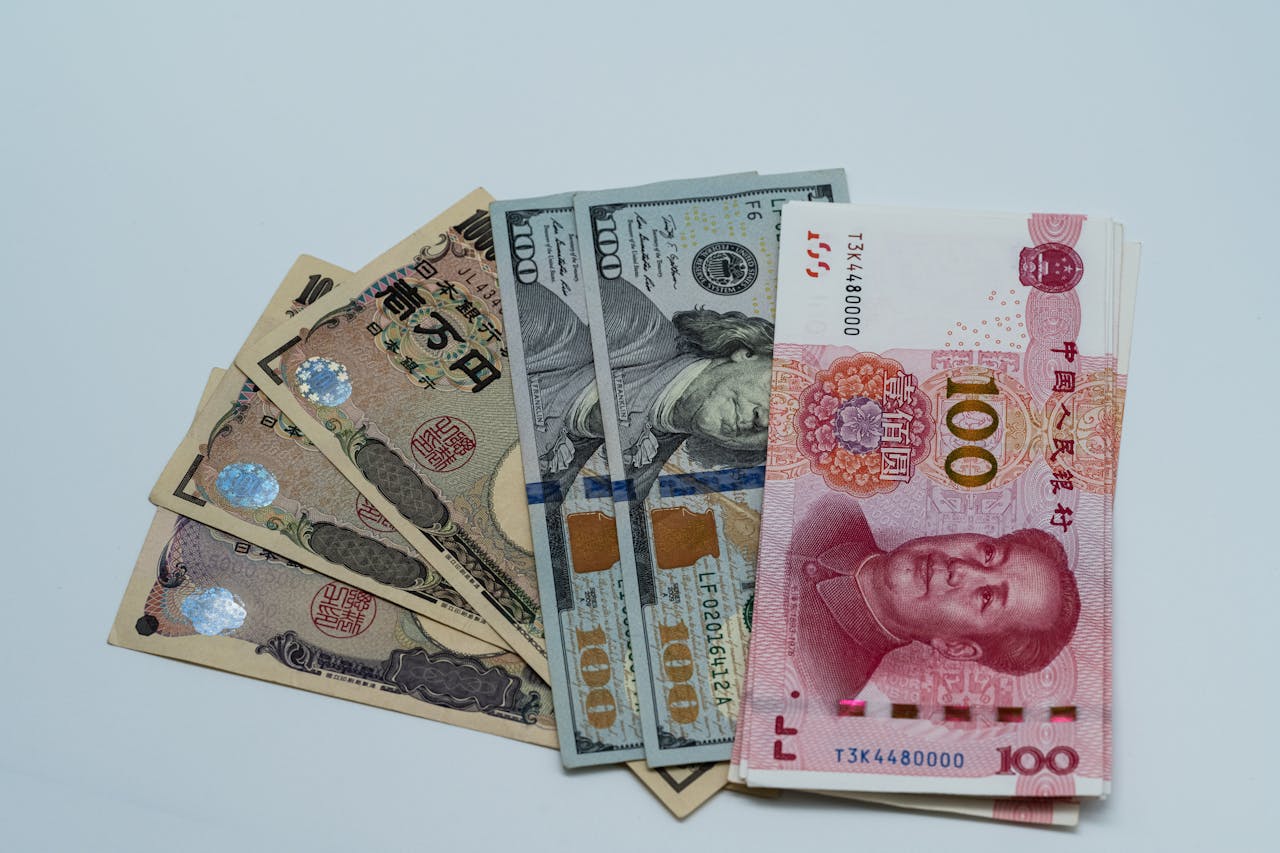
Two of Japan’s most influential business lobbying groups have called on the government to address the prolonged weakness of the yen, warning that the depreciating currency is driving up import costs, fueling inflation, and placing growing pressure on households and businesses. Their concerns were shared through separate interviews with domestic media, highlighting rising unease within Japan’s corporate sector over the broader economic impact of a weak yen.
Yoshinobu Tsutsui, chairman of Keidanren, Japan’s largest business lobby, acknowledged that a weak yen is often praised for its positive effects, particularly its ability to boost profits for exporters and large manufacturers. However, he cautioned that focusing only on these short-term benefits overlooks the long-term implications for Japan’s overall economic strength. From a national perspective, Tsutsui emphasized that a stronger yen would be more sustainable in the long run, suggesting that currency stability should be a priority for policymakers rather than continued reliance on export-driven advantages.
In a separate interview, Ken Kobayashi, chairman of the Japan Chamber of Commerce and Industry, echoed similar concerns, particularly regarding the impact on small and medium-sized enterprises. Kobayashi pointed out that many smaller firms are struggling with sharply rising costs for imported raw materials as the yen weakens. These higher input costs are squeezing profit margins and making it more difficult for businesses to operate efficiently, especially those without the pricing power to pass costs on to consumers.
The weak yen has also been a significant contributor to Japan’s recent inflation, further burdening households already facing higher prices for food, energy, and daily necessities. Kobayashi stressed that the government and the Bank of Japan must take steps to restore confidence among business owners, particularly those dependent on overseas imports, who increasingly feel powerless against currency-driven cost increases.
Together, the comments from Japan’s top business leaders underscore growing calls for coordinated government and central bank action to stabilize the yen, ease inflationary pressures, and support long-term economic resilience.













