


 Asian Markets Retreat as Oil Prices Surge Toward $100 Amid Middle East Tensions
  U.S.-Israel War on Iran Sends Crude Oil Prices Surging Amid Strait of Hormuz Tensions
  German Exports Drop 2.3% in January, Exceeding Forecast Decline
  UK Housing Market Slows Amid Geopolitical Tensions and Mortgage Rate Fears
  Iran-U.S. Oil Tensions Escalate as Revolutionary Guards Threaten Strait of Hormuz Blockade
  RBA Set for Back-to-Back Rate Hikes, Westpac Forecasts
  China's Trade Surplus Surges Past Forecasts in Early 2026
  Dollar Stabilizes Amid Iran War Uncertainty as Oil Prices Remain Elevated
  Venezuela Names Paula Henao as New Oil Minister Amid U.S.-Led Industry Overhaul
  Diesel Price Surge Threatens Global Economy Amid Middle East Conflict
  Dollar Strengthens Amid Oil Price Surge and Inflation Fears
  Gold Prices Slip as U.S.-Israel-Iran War Fuels Dollar and Oil Demand
  Oil Prices Surge Toward $100/Barrel After Tanker Attacks in Iraqi Waters
  Asian Currencies Face Pressure as U.S.-Iran Conflict Weighs on Markets
  Asia FX Steady as Iran War Signals and U.S. Inflation Data Weigh on Sentiment
  Dollar Steadies as Traders Await Clarity on U.S.-Israel-Iran War
  ANZ and Westpac Forecast Two RBA Rate Hikes in March and May 2026


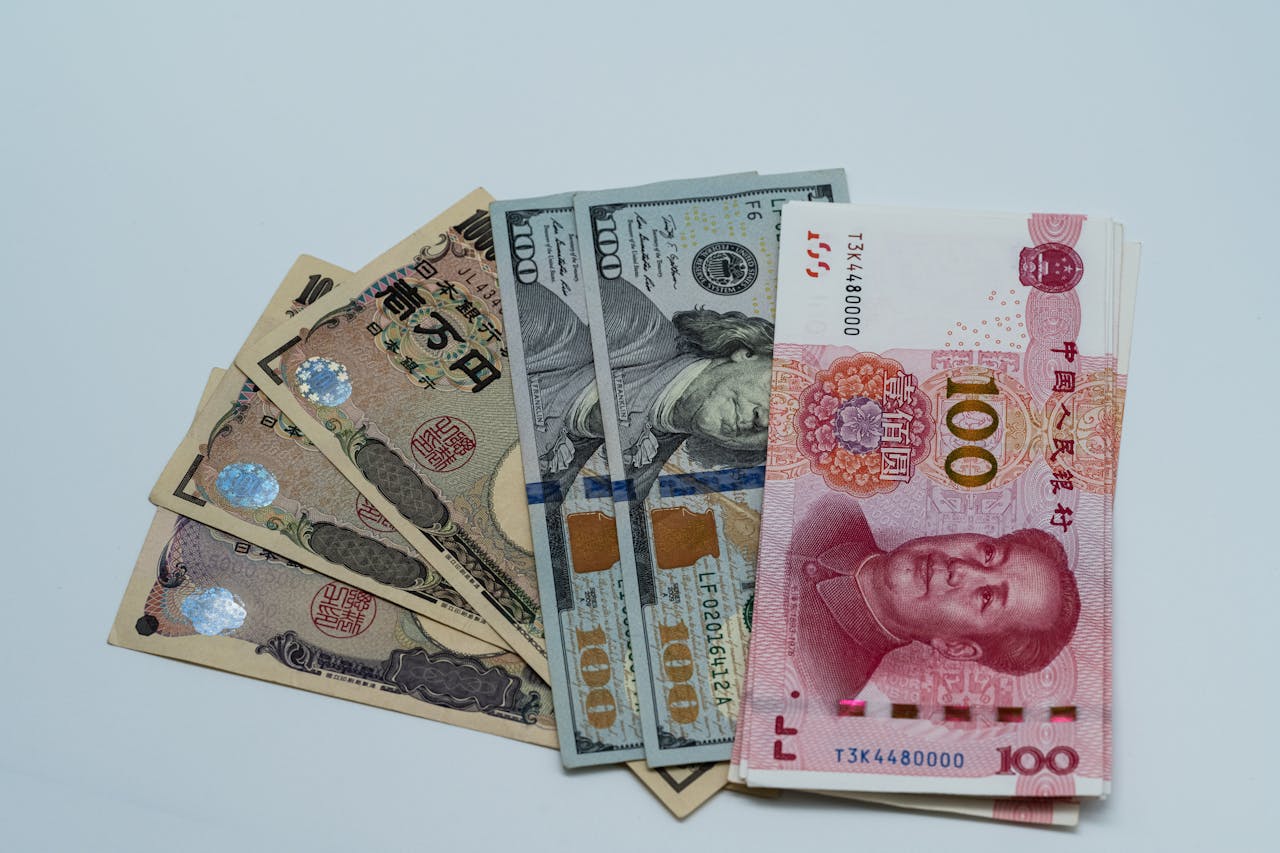
Japan’s top currency diplomat, Atsushi Mimura, reaffirmed Tokyo’s vigilance over foreign exchange markets, warning that authorities remain on high alert despite the recent surge in the yen against the U.S. dollar. Speaking to reporters on Thursday, Mimura emphasized that Japan’s currency policy remains unchanged and that officials are carefully monitoring exchange rate movements amid heightened market volatility.
“Our policy remains unchanged. We will continue to closely monitor markets with a high sense of urgency and maintain close communication with markets,” Mimura said. “We have not lowered our guard at all.” His remarks signal that the Japanese government stands ready to respond to excessive fluctuations in the yen, a key concern for policymakers seeking to maintain economic stability.
Mimura, who serves as Japan’s vice finance minister for international affairs, also confirmed that Tokyo is maintaining close coordination with U.S. authorities. Ongoing communication between Japan and the United States highlights the importance of global cooperation in managing foreign exchange risks and stabilizing currency markets.
The Japanese yen strengthened sharply on Wednesday, driven by investor expectations that Prime Minister Sanae Takaichi’s decisive election victory will give her greater control over fiscal policy. Market participants believe stronger fiscal leadership could influence Japan’s broader economic strategy, boosting confidence in the yen.
Meanwhile, strong U.S. January nonfarm payrolls data triggered temporary volatility in global currency markets. Despite brief fluctuations following the jobs report, the U.S. dollar stabilized near the 153 yen level on Thursday.
Currency traders and investors are now closely watching further signals from Japanese authorities and upcoming economic data for clues on future foreign exchange intervention. As global market uncertainty persists, Japan’s firm stance underscores its commitment to curbing excessive currency volatility and ensuring orderly movements in the yen-dollar exchange rate.













