


 AI-Focused Asia Hedge Funds Deliver Triple-Digit Returns in 2026 Rally
  BOJ Raises Interest Rates to 31-Year High, Signals Strong Focus on Inflation Risks
  U.S.-Iran Peace Deal Extends Gulf Ceasefire, Reopens Strait of Hormuz
  BOJ Raises Interest Rates to 1% as Inflation Pressures Persist
  Oil Prices Tumble as U.S.-Iran Peace Deal Eases Supply Concerns
  US Stock Futures Edge Higher Ahead of Key Federal Reserve Decision
  China Industrial Output Beats Forecasts as Domestic Demand Weakens
  Global Motor Oil and Auto Paint Shortages Persist Despite Potential U.S.-Iran Peace Deal
  Gold Prices Surge Above $4,300 as US-Iran Peace Deal Weakens Dollar and Oil
  Oil Prices Recover Slightly as U.S. Crude Inventories Fall, But Iran Deal Caps Gains
  Oil Prices Fall as Iran-U.S. Deal Eases Supply Concerns
  Dollar Slips as U.S.-Iran Peace Deal Optimism Boosts Risk Appetite Ahead of Fed Decision
  Dollar Slips as U.S.-Iran Peace Deal Boosts Risk Appetite and Pressures Safe-Haven Demand
  Trump Announces Iran Deal, Strait of Hormuz Reopening Amid Ongoing Regional Tensions
  Gold Holds Gains as Oil Prices Retreat and Fed Decision Looms
  Asian Markets Mixed Ahead of Key Central Bank Decisions
  Asian Currencies Steady as BOJ Raises Rates and Markets Await Fed Decision


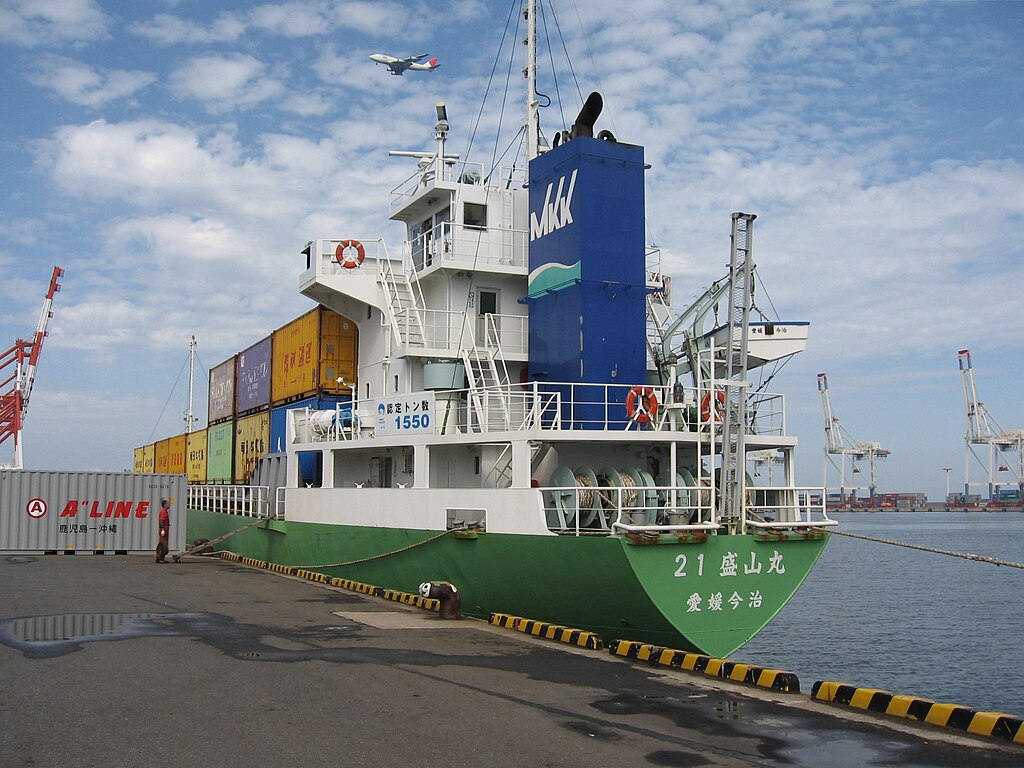
Japan's trade deficit narrowed more than expected in May as strong export growth continued to support the country's economy, driven by steady demand from key markets including the United States and China.
According to official trade data released on Wednesday, Japan recorded a trade deficit of 378.7 billion yen ($2.36 billion) in May. The figure was significantly better than market forecasts, which had projected a deficit of 564.6 billion yen. Meanwhile, April’s trade surplus was revised downward to 299.3 billion yen.
A major factor behind the improved trade performance was the continued strength of Japanese exports. Overseas shipments increased by 17% year-over-year in May, reflecting resilient global demand for Japanese products. The U.S. and China remained the country's largest export destinations, while demand from other regions, including Europe and broader Asia, also showed solid growth.
Japan’s leading export categories continued to include automobiles, industrial machinery, electronic components, and chemical products. Strong international demand for these goods helped offset rising import costs and supported overall trade activity.
Imports also posted strong growth during the month, rising 12.5% from a year earlier. While this marked an acceleration from April’s 9.8% increase, it came slightly below economists’ expectations of 12.8%. The increase in imports was largely driven by higher energy costs, particularly oil and natural gas, which Japan relies heavily on from overseas suppliers.
Global energy prices climbed sharply earlier this year amid geopolitical tensions in the Middle East. The conflict involving the United States, Israel, and Iran disrupted production and shipping routes, contributing to higher fuel costs and increasing Japan’s import bill.
However, analysts expect some relief in the coming months. Energy prices could ease following reports that the United States and Iran have agreed on a framework peace deal, potentially improving supply conditions and reducing pressure on import costs.
The latest trade figures highlight the resilience of the Japanese economy, with export growth continuing to play a crucial role in supporting economic activity despite ongoing challenges from global energy markets and import inflation.







