


 Taiwan Central Bank Likely to Keep Interest Rates Unchanged Through 2027
  BOJ Raises Interest Rates to 31-Year High, Signals Strong Focus on Inflation Risks
  Trump Announces Iran Deal, Strait of Hormuz Reopening Amid Ongoing Regional Tensions
  North Korea Reports Industrial Output at 105% of Target Following Party Congress
  Asian Markets Rally as US-Iran Peace Deal Sparks Oil Price Drop and Weakens Dollar
  Lazard Challenges Centerview for Role in Venezuela’s Massive Debt Restructuring
  Myanmar Economic Outlook Hit by Fuel Price Shock as World Bank Cuts Growth Forecast
  Oil Prices Tumble as U.S.-Iran Peace Deal Eases Supply Concerns
  Dollar Slips as U.S.-Iran Peace Deal Boosts Risk Appetite and Pressures Safe-Haven Demand
  Carney and Macron Strengthen Canada-France Defense Ties Amid US Trade Uncertainty
  U.S. Gasoline Prices Fall Below $4 as U.S.-Iran Deal Eases Oil Market Concerns
  Wall Street Surges as US-Iran Deal Eases Oil Price and Inflation Concerns
  Switzerland Rejects Population Cap Proposal, Preserving EU Labor Ties
  Oil Prices Fall as Iran-U.S. Deal Eases Supply Concerns
  BOJ Raises Interest Rates to 1% as Inflation Pressures Persist
  Asian Currencies Steady as BOJ Raises Rates and Markets Await Fed Decision
  Gold Prices Surge Above $4,300 as US-Iran Peace Deal Weakens Dollar and Oil


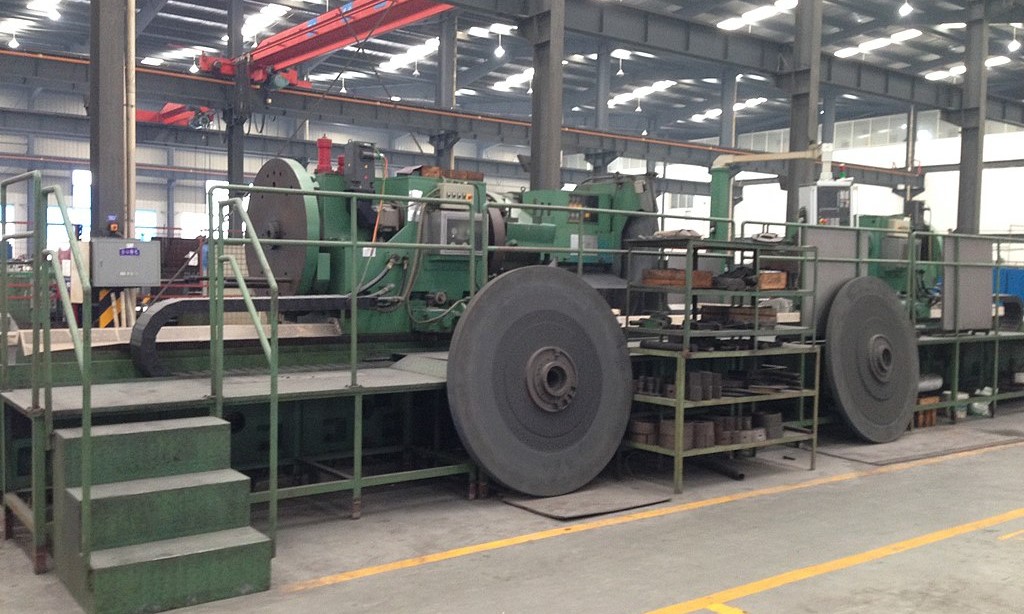
China’s industrial production expanded slightly more than expected in May, highlighting the resilience of the country’s manufacturing sector despite mounting economic challenges. According to official data released on Tuesday, industrial production increased by 4.5% year-over-year, surpassing market expectations of 4.4% and accelerating from April’s 4.1% growth rate.
The stronger-than-expected factory output was largely supported by robust overseas demand. Chinese manufacturers benefited from increased export orders as global buyers accelerated purchases amid ongoing uncertainty in shipping routes and energy markets. Exports have increasingly become a key driver of China’s economic growth in recent years, helping offset weakness in domestic consumption.
However, broader economic indicators revealed continued pressure on China’s internal demand. Retail sales, a key measure of consumer spending, declined by 0.6% in May compared with expectations for a 0.3% drop. The figure also marked a sharp reversal from the 0.2% increase recorded in the previous month, underscoring ongoing caution among Chinese consumers.
Meanwhile, fixed asset investment, which tracks spending on long-term assets such as infrastructure, machinery, and property, fell 4.1% in May. The decline was significantly worse than economists’ forecasts for a 2.3% contraction and represented the weakest pace of investment growth since mid-2020.
A prolonged downturn in China’s property sector continues to weigh heavily on business confidence and capital spending. The real estate crisis, which has persisted since the COVID-19 pandemic, remains one of the biggest obstacles to a stronger economic recovery.
Despite multiple stimulus measures introduced by Beijing, China’s economy has struggled to regain momentum over the past several years. Weak consumer confidence and slowing investment activity continue to limit growth prospects, leaving exports and manufacturing output as the primary sources of economic support.
The latest data suggests that while China’s industrial sector remains resilient, sustained economic growth will likely depend on a meaningful recovery in domestic demand and investment activity.







