


 RBA Minutes Signal Australia Central Bank Remains Ready to Raise Interest Rates if Inflation Persists
  Asian Stocks Slip as US-Iran Ceasefire Hopes Lift Oil, Dollar Strength Persists
  Oil Prices Rise as US-Iran Tensions Threaten Strait of Hormuz Oil Shipments
  China Expands Export Controls, Adds 20 Japanese Companies to Restricted List
  Trump Threatens 100% Tariffs on Countries Imposing Digital Services Taxes on U.S. Tech Firms
  Asian Currencies Stay Range-Bound as Investors Eye China Data, RBNZ Outlook and U.S.-Iran Ceasefire
  Gold Price Falls as Fed Rate Hike Fears and U.S.-Iran Tensions Weigh on Bullion
  Trump Suspends Some Morocco Fertilizer Tariffs to Ease U.S. Supply Shortage
  Trump Urges Gasoline Retailers to Cut Prices to $2.50 Per Gallon, Warns of Legal Action
  Central Banks Eye Gold, Reduce Dollar Exposure as AI Adoption Accelerates: OMFIF Survey
  Argentina Economy Shrinks 1.5% in April, Recovery Under Milei Loses Momentum
  China Factory PMI Seen Returning to Growth in June as AI Export Demand Supports Economy
  Dollar Slips Ahead of Key U.S. Jobs Data as Fed Rate Outlook, ECB, and Iran Talks Shape Forex Markets
  Yen Falls to 40-Year Low as Markets Watch Japan Intervention and U.S. Jobs Report
  Oil Prices Slip as U.S.-Iran Peace Talks and Strait of Hormuz Risks Keep Markets on Edge
  Japan Targets 1%+ Real Economic Growth With ¥370 Trillion Investment Plan
  Global Financial Firms Shift Asia Expansion Focus to South Korea as China, India Face Caution


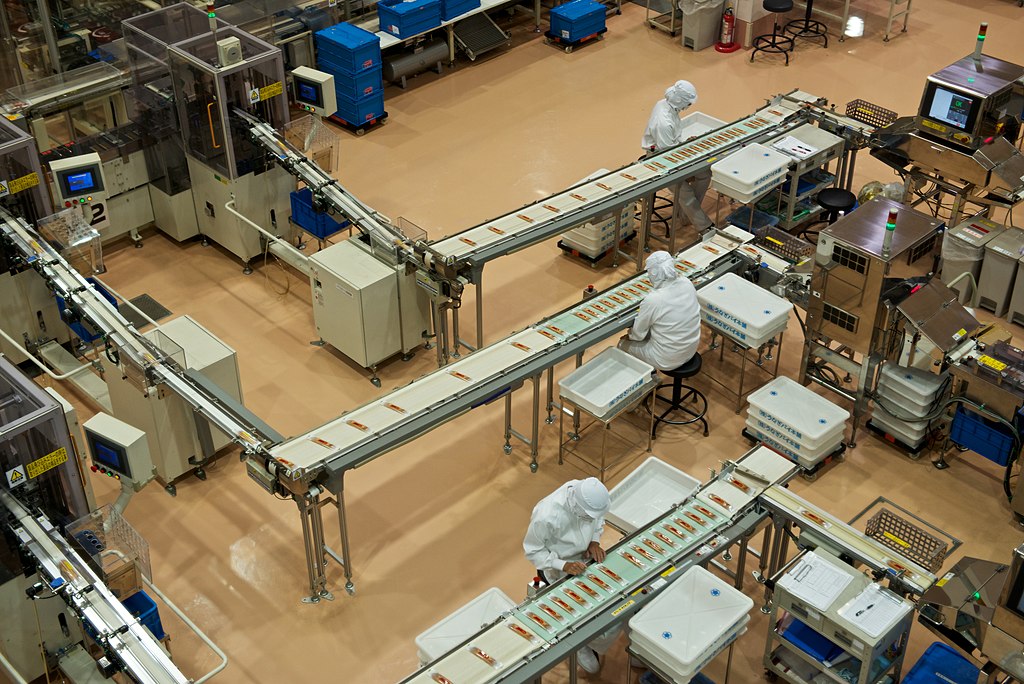
Japan’s manufacturing sector continued to expand in May 2026, although growth slowed slightly as escalating supply-chain pressures tied to the Middle East conflict increased business costs and weighed on overall economic activity. According to the latest S&P Global flash Purchasing Managers’ Index (PMI) data released Thursday, Japan’s manufacturing PMI eased to 54.5 in May from 55.1 in April, matching market expectations while remaining comfortably above the 50-point level that signals expansion.
Despite the slowdown, Japanese factories maintained solid production levels as companies increased inventory stockpiling in anticipation of potential supply shortages. Businesses expressed concerns that the ongoing Middle East conflict could further disrupt global supply chains and delay raw material deliveries, prompting manufacturers to secure additional inventories.
Meanwhile, Japan’s services sector showed signs of weakness after more than a year of uninterrupted growth. The services PMI business activity index dropped to 50.0 in May from 51.0 in April, indicating stagnant conditions across the sector. Analysts noted that rising operational costs, higher import prices, and weaker consumer demand contributed to the slowdown in service-related activity.
The broader composite PMI, which combines both manufacturing and services performance, fell to 51.1 from the previous month’s 52.2. The reading marked the slowest pace of private-sector expansion in five months, reflecting growing economic pressure on businesses.
S&P Global reported that input costs surged at the fastest rate since late 2022 due to supply disruptions and rising commodity prices linked to geopolitical tensions in the Middle East. In response, Japanese companies raised selling prices at the sharpest pace recorded since the survey began nearly 19 years ago.
Economists warn that persistent inflationary pressure and geopolitical uncertainty could continue to challenge Japan’s economic recovery in the coming months.







