


 New York Legalizes Medical Aid in Dying for Terminally Ill Patients
  Trump Backs Nexstar–Tegna Merger Amid Shifting U.S. Media Landscape
  Nicaragua Ends Visa-Free Entry for Cubans, Disrupting Key Migration Route to the U.S.
  Bangladesh Election 2026: A Turning Point After Years of Political Suppression
  Trump Allows Commercial Fishing in Protected New England Waters
  Bosnian Serb Presidential Rerun Confirms Victory for Dodik Ally Amid Allegations of Irregularities
  Antonio José Seguro Poised for Landslide Win in Portugal Presidential Runoff
  Taiwan Says Moving 40% of Semiconductor Production to the U.S. Is Impossible
  Anutin’s Bhumjaithai Party Wins Thai Election, Signals Shift Toward Political Stability
  Jack Lang Resigns as Head of Arab World Institute Amid Epstein Controversy
  Trump Administration Appeals Court Order to Release Hudson Tunnel Project Funding
  Japan Election 2026: Sanae Takaichi Poised for Landslide Win Despite Record Snowfall
  China Overturns Death Sentence of Canadian Robert Schellenberg, Signaling Thaw in Canada-China Relations
  Japan’s Prime Minister Sanae Takaichi Secures Historic Election Win, Shaking Markets and Regional Politics
  Trump Signs Executive Order Threatening 25% Tariffs on Countries Trading With Iran
  Trump’s Inflation Claims Clash With Voters’ Cost-of-Living Reality
  Sydney Braces for Pro-Palestine Protests During Israeli President Isaac Herzog’s Visit


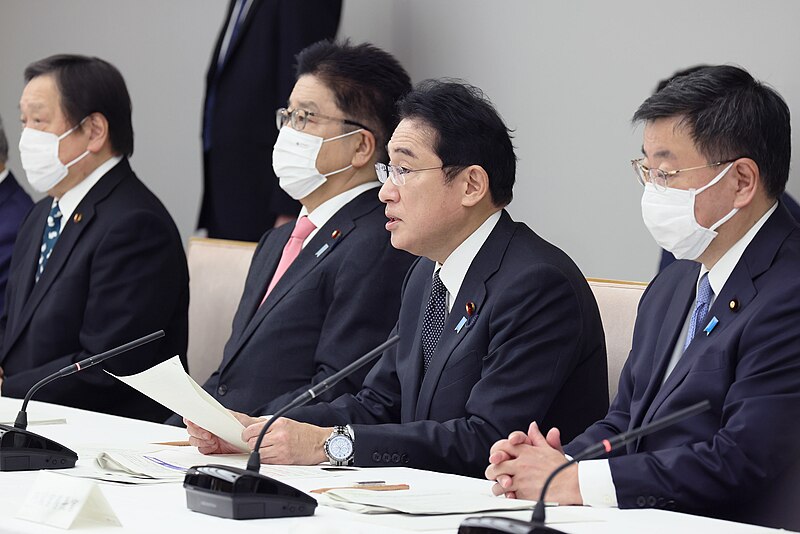
The Japanese government is reportedly estimating shoring up over $22 billion in funds annually for a childcare policy introduced by Prime Minister Fumio Kishida. The policy aimed to tackle the declining birth rates in Japan.
The Jiji news outlet reported on Thursday that Tokyo is considering over $22 billion in funds per year for Kishida’s proposed childcare plan that aimed to tackle the birth rates in the country. This follows the plan by the government back in March to boost child care in a span of three years but has yet to determine how the plan would be funded. According to the report, the government would expand the funds gradually over three years from the 2024-2025 fiscal year and obtain the necessary amount by the end of the policy period.
Kishida said the government will determine the funds for the childcare policy by June and that he does not plan to increase consumer sales taxes.
Some lawmakers under the governing party have hinted at using extra bonds to fund the policy, citing that the education-purposed bonds would help future generations as the government struggles to determine the permanent sources of secure revenue.
Kishida previously announced a plan to boost childcare support following the major spending plan to increase Japan’s military buildup.
Japan is one of the fastest aging societies, with the annual number of newborns falling below 800,000 for the first time following the peak of 2.09 million in 1973 during the second baby boom. The declining birth rates were blamed on major labor shortages and reduced long-term economic potential.
On the same day, British Prime Minister Rishi Sunak announced a $22 billion Japanese investment in the United Kingdom, including funding for offshore wind power and clean energy projects. Sunak arrived in Japan this week for the G7 summit in Hiroshima. Sunak said the investment was a “massive vote of confidence” in the UK economy.
Sunak and Kishida are set to renew security ties between the two countries during the summit, including the UK’s commitment to deploying an aircraft carrier strike group to the Indo-Pacific region by 2025. The agreement, referred to as the “Hiroshima Accord,” will also tackle trade and investment, collaboration in science and technology, and joint initiatives to address global issues, including climate change.
Photo: Kantei.go.jp/Wikimedia Commons(CC by 2.0)














