


 Oil Prices Ease as Iran Tensions Clash With Diplomacy Hopes
  Dollar Hits Two-Month High as Fed Rate Hike Bets Rise
  Judge Orders Trump to Restore White House Access for CNN, MS NOW and Politico
  U.S. 10-Year Treasury Yield Hits 2007 High as Fed Rate Hike Bets Rise
  Oil Prices Surge as U.S.-Iran Diplomacy Hopes Fade
  US Stock Futures Rise as Meta Muse Fuels AI Rally
  Anthropic’s Claude Discovers CRISPR-Like Enzyme System
  European Stocks Slip as Iran Tensions Offset Strong Eurozone Data
  Russian Envoy Dmitriev Heads to US for Ukraine Talks
  US Stock Futures Fall as Treasury Yields Surge Ahead of Trump-Xi Summit
  US Backs Musk in Fight Against EU’s €120 Million X Fine
  Abbas Reaffirms November 28 Palestinian Elections
  Rice feeds billions of people – but its role in fueling climate change is growing
  Goldman Sachs Names Simon Lyons UK Investment Banking Co-Head
  Ukraine minerals deal: the idea that natural resource extraction can build peace has been around for decades
  Venezuela Promises Elections as Delcy Rodriguez Pledges Democratic Transition
  Sudan Rejects US Legitimacy Remarks, Defends Sovereignty


 Add as a preferred source on Google
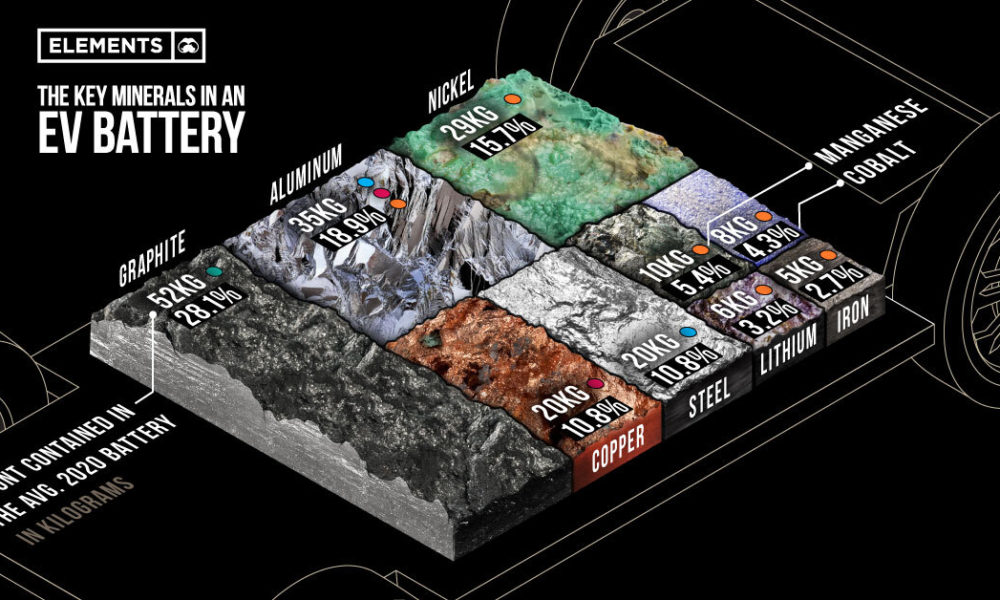
The United States and Japan have agreed on a trade deal to strengthen their battery supply chains and reduce their dependence on China on electric vehicle battery minerals.
The agreement will also give Japanese automakers easier access to the $7,500 US EV tax credit.
It also prohibits the two countries from enacting bilateral export restrictions on the minerals, including lithium, nickel, cobalt, graphite, and manganese, which are most critical for EV batteries.
US and Japan are collaborating to combat “non-market policies and practices” of other countries in the sector and on conducting investment reviews of foreign investments in their critical minerals supply chains.
Minerals-focused trade deals are one way the US will open access for trusted allies to the $7,500 per vehicle EV tax credits in last year’s climate-focused Inflation Reduction Act.
The two countries agreed to review the minerals agreement every two years, including whether it is appropriate to terminate or amend it.







