


 Trump Orders Major Overhaul of US Navy Shipbuilding
  Albanese Says AUKUS ‘Full Steam Ahead’ After Trump Call
  Zelenskiy Sends Peace Plan to U.S., Warns of New Russian Mobilisation
  Putin Visits Japan-Claimed Iturup Island, Drawing Strong Protest From Tokyo
  Taiwan Slams ‘Dangerous’ China-Indonesia Naval Drill Near Island
  Rebecca Cooke to Challenge Derrick Van Orden in Key Wisconsin Race
  Israeli Troops Enter Qusra Homes as West Bank Settler Siege Continues
  Colombia Earthquake Death Toll Hits 265 as President Announces Emergency Fund
  Trump Orders U.S. Navy to Return to Steam Catapults for Aircraft Carriers
  US, Colombia Weigh Joint Strikes on Armed Groups in Expanded Anti-Drug Campaign
  Wisconsin Democratic Primary Tests Progressive Appeal
  Meloni Loses Ground Among Young Italian Voters Ahead of 2027 Election
  Missile Threat Forced Trump to Secretly Switch Air Force One in Turkey
  Canada-US Trade Talks Gain Momentum Ahead of Aug. 19 Tariff Deadline
  North Korea Launches Ballistic Missile as US-South Korea Drills Near
  Iran War Escalates as US, Houthis Target Ships Near Key Oil Routes


 Add as a preferred source on Google
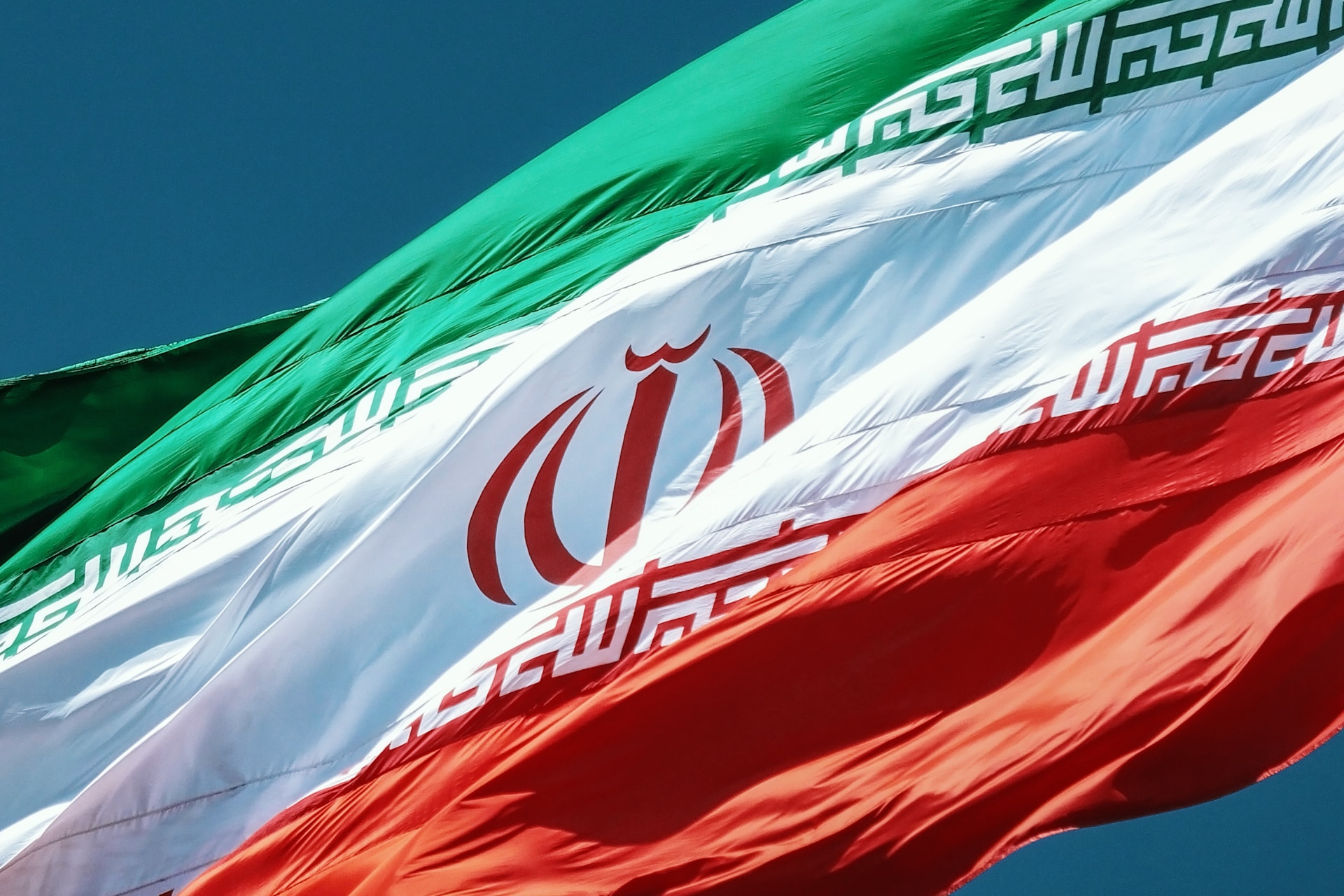
Iran and the United States are set to hold high-stakes nuclear negotiations in Oman on Saturday, with Tehran saying it is giving diplomacy “a genuine chance” despite recent threats from President Donald Trump. The U.S. president warned that failure to reach a deal would result in unprecedented military action, stating, “If they don’t make a deal, there will be bombing.”
The White House reinforced Trump’s warning on Friday, emphasizing Iran would face “all hell to pay” if it did not abandon its nuclear program. U.S. special envoy Steve Witkoff, leading the delegation, confirmed that dismantling Iran’s nuclear capabilities is the administration’s starting demand, but noted openness to compromise.
Iranian officials said the talks, mediated by Oman, would be led by Foreign Minister Abbas Araqchi and U.S. envoy Witkoff. Despite insisting on indirect negotiations, Iran confirmed that Araqchi holds full authority. Trump’s surprise March 30 announcement of direct talks sparked confusion, but Tehran remains firm on Oman’s role as intermediary.
Ali Shamkhani, advisor to Iran’s Supreme Leader, posted on X that Iran had prepared “important and practical” proposals for a fair agreement. Deputy Foreign Minister Majid Takht-e Ravanchi warned that threats from the U.S. would hinder progress.
Tensions remain high in the region, with Israel escalating military actions against Hamas and Hezbollah—both backed by Iran—and U.S. airstrikes targeting Iran-aligned Houthis in Yemen.
Trump’s return to office reignited a hardline U.S. stance. Since withdrawing from the 2015 nuclear deal, Iran has enriched uranium close to weapons-grade, though it maintains the program is for peaceful energy purposes. The West remains skeptical of Tehran’s intentions. The outcome of these talks could shape the future of Middle East security and global nuclear diplomacy.







