


 Pentagon Ends Military Education Programs With Harvard University
  Trump Backs Nexstar–Tegna Merger Amid Shifting U.S. Media Landscape
  Federal Judge Restores Funding for Gateway Rail Tunnel Project
  Iran–U.S. Nuclear Talks in Oman Face Major Hurdles Amid Rising Regional Tensions
  Trump Allows Commercial Fishing in Protected New England Waters
  South Korea Assures U.S. on Trade Deal Commitments Amid Tariff Concerns
  U.S. Announces Additional $6 Million in Humanitarian Aid to Cuba Amid Oil Sanctions and Fuel Shortages
  U.S. Lawmakers to Review Unredacted Jeffrey Epstein DOJ Files Starting Monday
  Japan Election 2026: Sanae Takaichi Poised for Landslide Win Despite Record Snowfall
  US Pushes Ukraine-Russia Peace Talks Before Summer Amid Escalating Attacks
  Missouri Judge Dismisses Lawsuit Challenging Starbucks’ Diversity and Inclusion Policies
  Trump Signs Executive Order Threatening 25% Tariffs on Countries Trading With Iran
  Netanyahu to Meet Trump in Washington as Iran Nuclear Talks Intensify
  U.S. to Begin Paying UN Dues as Financial Crisis Spurs Push for Reforms
  Jack Lang Resigns as Head of Arab World Institute Amid Epstein Controversy
  Norway Opens Corruption Probe Into Former PM and Nobel Committee Chair Thorbjoern Jagland Over Epstein Links


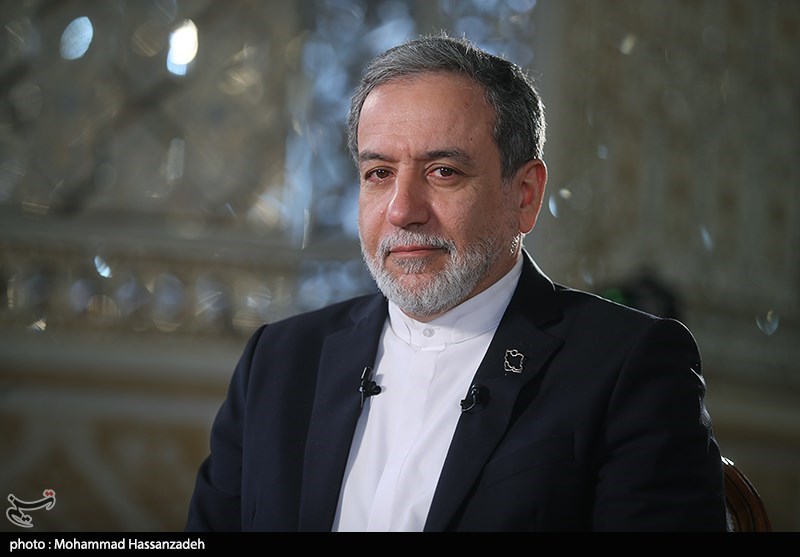
Iran is open to reaching a nuclear agreement with the United States if Washington avoids unrealistic demands, said Iranian Foreign Minister Abbas Araqchi on Friday, ahead of the second round of nuclear talks. Speaking in Moscow after a meeting with Russian Foreign Minister Sergei Lavrov, Araqchi emphasized that the path to a deal is possible if the U.S. shows seriousness and flexibility.
The first round of indirect negotiations took place last week in Oman, and a follow-up round is scheduled for Saturday in Rome, with Omani Foreign Minister Badr al-Busaidi acting as intermediary. Iran’s Foreign Ministry spokesperson Esmaeil Baghaei highlighted concerns over contradictory U.S. statements and called on Washington to clarify its position and intentions.
According to a senior Iranian official, Tehran expressed willingness to cap uranium enrichment levels during the Oman talks, but demanded strong guarantees that President Donald Trump would not again abandon any agreement. Trump pulled out of the 2015 nuclear deal during his first term and has recently threatened military action unless a new deal is reached.
While Iran insists its nuclear program is peaceful, the U.S. and its allies remain skeptical. Trump reiterated his stance on Friday, stating, “Iran cannot have a nuclear weapon. I want them to be prosperous, but without the bomb.”
Lavrov reaffirmed Russia’s readiness to support and mediate the negotiations, citing Moscow’s historical role in previous agreements. Iranian Supreme Leader Ali Khamenei also sent a letter with Araqchi to brief Russian President Vladimir Putin, with plans for a similar briefing in Beijing soon.
U.S. Secretary of State Marco Rubio confirmed that Washington seeks a peaceful resolution but remains firm in preventing Iran from acquiring nuclear weapons.













