


 Nicaragua Ends Visa-Free Entry for Cubans, Disrupting Key Migration Route to the U.S.
  China Warns US Arms Sales to Taiwan Could Disrupt Trump’s Planned Visit
  Sydney Braces for Pro-Palestine Protests During Israeli President Isaac Herzog’s Visit
  Trump Slams Super Bowl Halftime Show Featuring Bad Bunny
  Antonio José Seguro Poised for Landslide Win in Portugal Presidential Runoff
  US Pushes Ukraine-Russia Peace Talks Before Summer Amid Escalating Attacks
  Jack Lang Resigns as Head of Arab World Institute Amid Epstein Controversy
  Ghislaine Maxwell to Invoke Fifth Amendment at House Oversight Committee Deposition
  China Overturns Death Sentence of Canadian Robert Schellenberg, Signaling Thaw in Canada-China Relations
  New York Legalizes Medical Aid in Dying for Terminally Ill Patients
  Trump Backs Nexstar–Tegna Merger Amid Shifting U.S. Media Landscape
  Japan’s Prime Minister Sanae Takaichi Secures Historic Election Win, Shaking Markets and Regional Politics
  Israel Approves West Bank Measures Expanding Settler Land Access
  Trump Administration Appeals Court Order to Release Hudson Tunnel Project Funding
  Trump Congratulates Japan’s First Female Prime Minister Sanae Takaichi After Historic Election Victory
  Japan Election 2026: Sanae Takaichi Poised for Landslide Win Despite Record Snowfall
  Taiwan Says Moving 40% of Semiconductor Production to the U.S. Is Impossible


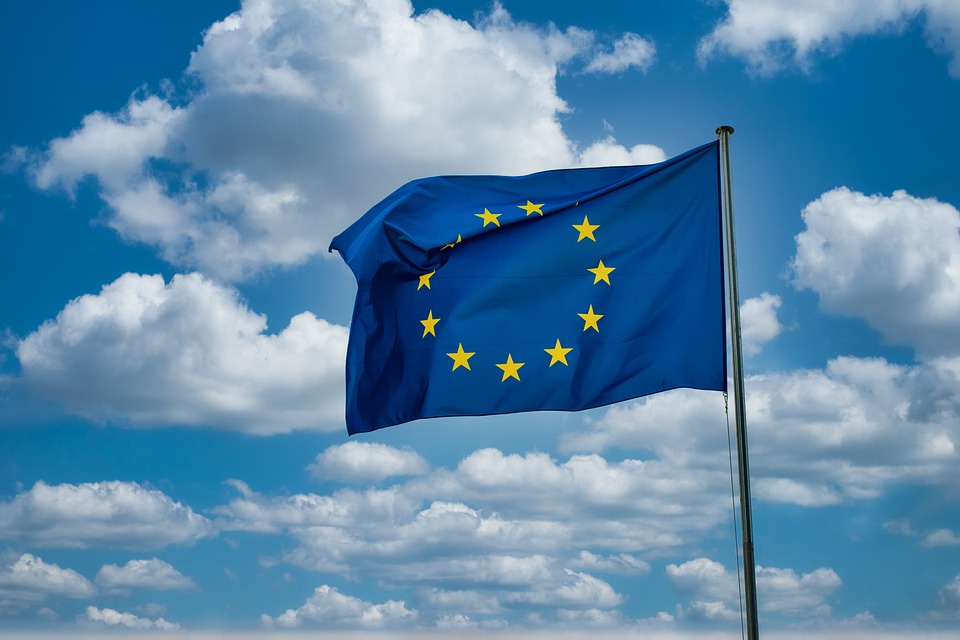
The European Union has imposed a new set of sanctions over the human rights abuses in Iran. The new sanctions target eight individuals and one telecommunications company for assisting in human rights abuses.
The EU Council issued a statement on Monday announcing that it was sanctioning telecommunications company Ariantel, which it said: “contributed to the telecommunications surveillance architecture mapped out by the Iranian government to quash dissent and critical voices in Iran.” The sanctions also target lawmakers in the Iranian Parliament, members of Iran’s Islamic Revolutionary Guard Corps, and the IRGC Cooperative Foundation – the organization in charge of managing the IRGC’s investments.
The latest sanctions by the EU related to Iran total 211 individuals and 35 entities. The sanctions would freeze any assets they hold inside the EU and a travel ban. EU companies are also banned from making funds available to those who are sanctioned.
“The European Union and its member states urge the Iranian authorities to stop any form of violent crackdown against peaceful protests, cease their resort to arbitrary detentions as a means of silencing critical voices, and release all those unjustly detained,” said the statement.
“The EU calls on Iran to end the practice of imposing and carrying out death sentences against protesters, reverse the death penalty sentences pronounced, as well as provide due process to all detainees.”
Iran has been in a state of unrest due to the widespread anti-government protests that have been taking place in the country since September. The protests were triggered by the death of Kurdish woman Mahsa Amini, who died days after she was arrested by the morality police for allegedly flouting the Islamic dress code. Tehran has since tried to blame its foreign adversaries like the United States and Israel for the unrest.
The sanctions by the bloc follow last week’s announcement by the US, imposing a new round of sanctions against Iran, targeting a procurement network accused of supporting Iran’s drone and military programs. This includes suppliers and front offices in Iran, Hong Kong, Malaysia, and China that Washington said enabled the procurement of goods and technology in an effort by the US to target Iran’s drone program.













