


 Nicaragua Ends Visa-Free Entry for Cubans, Disrupting Key Migration Route to the U.S.
  India–U.S. Interim Trade Pact Cuts Auto Tariffs but Leaves Tesla Out
  Trump Allows Commercial Fishing in Protected New England Waters
  Federal Judge Restores Funding for Gateway Rail Tunnel Project
  Trump Congratulates Japan’s First Female Prime Minister Sanae Takaichi After Historic Election Victory
  U.S. Lawmakers to Review Unredacted Jeffrey Epstein DOJ Files Starting Monday
  Netanyahu to Meet Trump in Washington as Iran Nuclear Talks Intensify
  Trump Administration Appeals Court Order to Release Hudson Tunnel Project Funding
  China Overturns Death Sentence of Canadian Robert Schellenberg, Signaling Thaw in Canada-China Relations
  Bangladesh Election 2026: A Turning Point After Years of Political Suppression
  China Warns US Arms Sales to Taiwan Could Disrupt Trump’s Planned Visit
  Trump’s Inflation Claims Clash With Voters’ Cost-of-Living Reality
  Bosnian Serb Presidential Rerun Confirms Victory for Dodik Ally Amid Allegations of Irregularities
  Trump Signs Executive Order Threatening 25% Tariffs on Countries Trading With Iran
  Jack Lang Resigns as Head of Arab World Institute Amid Epstein Controversy
  Trump Backs Nexstar–Tegna Merger Amid Shifting U.S. Media Landscape
  Ghislaine Maxwell to Invoke Fifth Amendment at House Oversight Committee Deposition


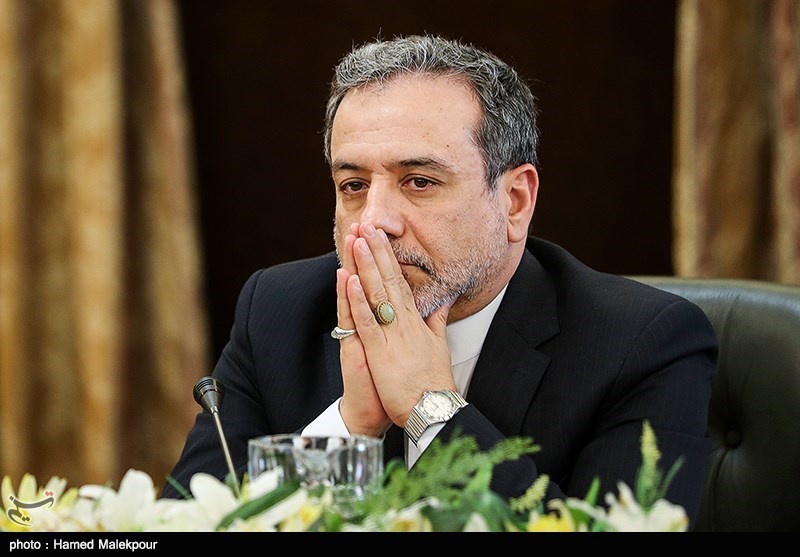
Iranian Foreign Minister Abbas Araghchi has formally called on the United Nations to take “appropriate measures” against the United States and Israel following a series of June military strikes on Iran’s nuclear facilities. In a letter sent to UN Secretary-General Antonio Guterres and the UN Security Council, Araghchi argued that both nations should be held accountable for what he described as violations of international law and acts that caused extensive damage within Iran.
Araghchi’s demand comes after U.S. President Donald Trump publicly stated on November 6 that he was “very much in charge” of Israel’s initial attack on Iran, launched on June 13. According to Iranian officials, this admission provides direct evidence of U.S. involvement and command responsibility during the 12-day conflict between Israel and Iran. Iranian state media reports claim that more than 900 people, including military personnel, were killed during the escalation.
In his letter, Araghchi insisted that Trump and other senior U.S. officials bear “criminal responsibility” for the attacks and that both Washington and Tel Aviv should be obligated to pay reparations, including restitution and compensation for the destruction caused. He emphasized that individuals within the Israeli government who played any role in ordering, supporting, or conducting the strikes should also face accountability for alleged war crimes.
The UN has not yet issued a response, and spokespersons for both the U.S. mission and the Secretary-General declined to comment. The sharp tone of Iran’s appeal to the UN contrasts notably with recent diplomatic remarks from both the U.S. and Iran expressing openness to negotiations. Earlier this week, Araghchi’s deputy indicated that Tehran sought a peaceful nuclear agreement with Washington. Trump, speaking last month, likewise claimed the United States was ready to make a deal “when Tehran is ready,” saying America’s “hand of friendship and cooperation is open.”
This renewed tension highlights the fragile and shifting dynamics of U.S.–Iran relations, even as both sides signal interest in a long-term diplomatic solution.













