


 Asian Stocks Fall as Bond Yields Surge Ahead of Trump-Xi Summit
  SpaceX Pivots Toward Moon City as Musk Reframes Long-Term Space Vision
  Blue Origin New Glenn Rocket Explodes During Launch Pad Test, Delaying Space Ambitions
  NASA's Artemis II Mission: First Crewed Lunar Journey Since Apollo
  Swimming in the sweet spot: how marine animals save energy on long journeys
  Asian Stocks Mixed Ahead of Trump-Xi Meeting
  Oil Prices Surge as U.S.-Iran Diplomacy Hopes Fade
  An unexpected anomaly was found in the Pacific Ocean – and it could be a global time marker
  Wall Street Ends Flat as Oil, Treasury Yields and Fed Jitters Rattle Markets
  Russian Envoy Dmitriev Heads to US for Ukraine Talks
  US 10-Year Treasury Yield at 6% Emerges as New Market Risk Threshold
  Japan Private-Sector Growth Slows as Domestic Demand Weakens
  Trump Administration Releases New UFO Files and Apollo Mission Records
  How to create a thriving forest, not box-checking ‘tree cover’
  Is space worth the cost? Accounting experts say its value can’t be found in spreadsheets


 Add as a preferred source on Google
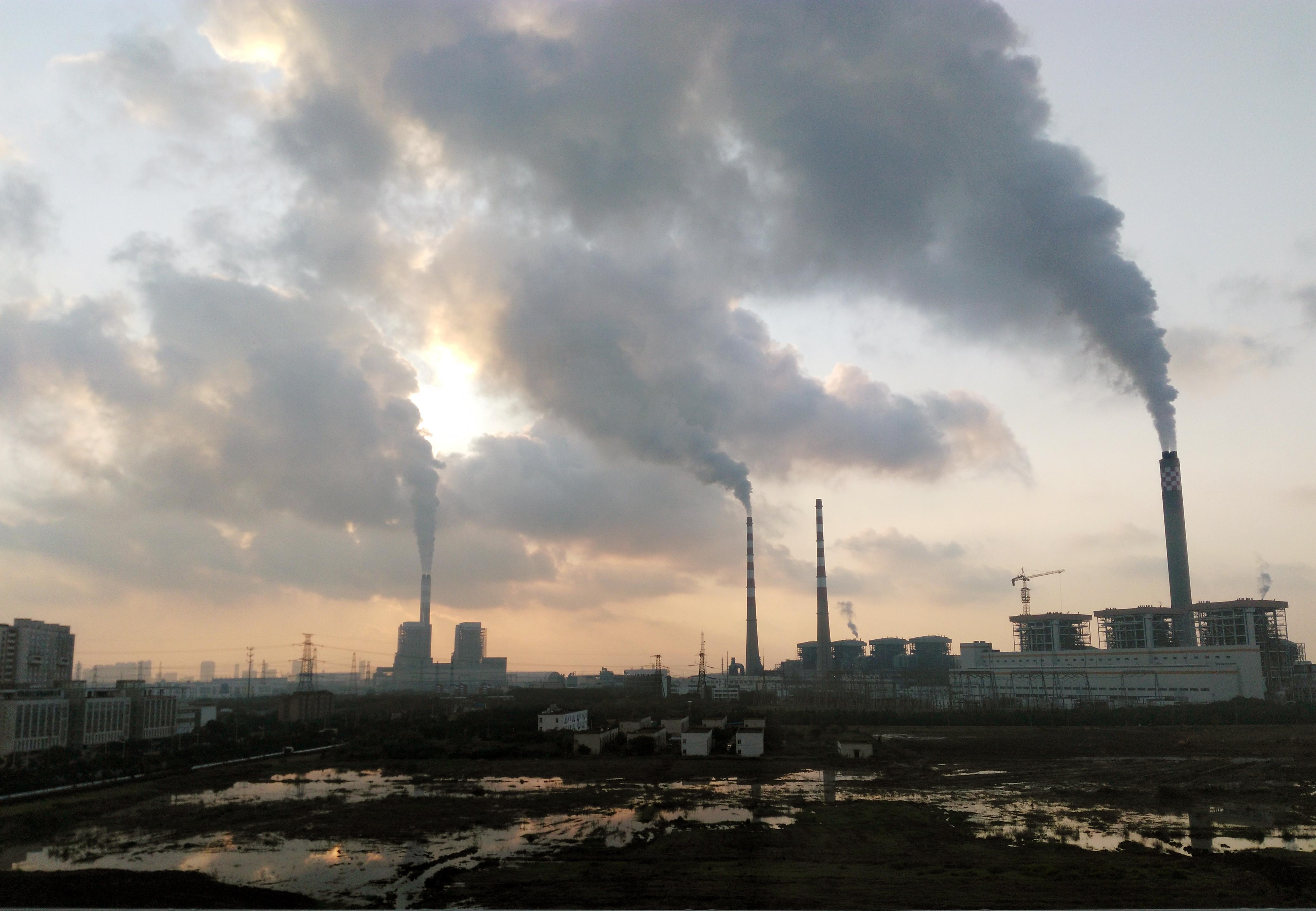
The Korea Institute of Machinery and Materials had developed a system that filters fine dust in the white smoke emitted from thermoelectric power plants and waste incinerating facilities through simultaneous cooling and absorption.
The condensable fine dust particles, which are emitted as gas at high temperatures, are turned into solid particles as they cool down.
The research team collected smoke of over 100 degrees Celsius, cooled it down to close to room temperature, turned the gas into a liquid, and filtered the moisture to eliminate the fine dust particles.
The research team used a simple cooling system to filter as many condensable fine dust particles as possible from the white smoke and then use additives to absorb the moisture.
The method allowed the research team to filter 70 percent of moisture and 80 percent of fine dust before spraying moisture absorbers one more time to dry off the water.
As a result, up to 85 percent of moisture and fine dust were filtered.







