


 Norway Backs Barents Sea Oil and Gas Expansion
  Trump Vows Tougher Iran Sanctions as US Weighs New Economic Pressure
  Dollar Hovers Near Multi-Month Lows as Treasury Buybacks Rattle Markets
  ECB Rate Hike Bets Rise as Inflation Risks Persist
  Unitree Shares Plunge 45% After Blockbuster IPO, Raising China Tech Bubble Fears
  US-Canada Tariff War Escalates With 50% Auto Duties
  Europe EV Sales Surge as High Fuel Prices Drive Demand
  Gold Hits Three-Month High as Treasury Moves Fuel Rally
  Iran Allows Iraqi Oil Tankers Through Strait of Hormuz
  Oil Prices Retreat as Markets Await Tougher Iran Sanctions
  Peru Economy Grows 2.6% in Q2 as Private Investment Surges
  China opens new Arctic trade route – but obstacles will prevent its wider use
  Asian Currencies Slip as Dollar Rebounds on Iran Sanctions
  Gold Prices Hit Three-Month High as Dollar Weakens
  UK Economy Shows Strength as Burnham Gets Early Boost
  Asian Stocks Slip Ahead of Nvidia Earnings and US Inflation Data


 Add as a preferred source on Google
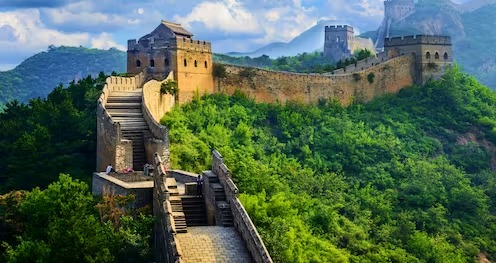

When Prime Minister Anthony Albanese visits China later this year he will encounter a nation whose future is about as uncertain as it was 50 years ago when Gough Whitlam became the first Australian prime minister to visit in late 1973.
Then China was poor, in the process of reengaging the rest of the world after the death of Communist Party Chairman Mao Zedong. Today it is, on one measure, the second-biggest economy in the world, one of the top five along with the United States, Japan, Germany and the United Kingdom.
Along the way, it has become by far the biggest customer for Australian exports, accounting for 30% of everything Australia sells, and Australia’s biggest source of imports, providing 27% of all the goods and services that come into the country.
But like Japan before it (which was Australia’s biggest customer before the rise of China) its economy is at a crossroads.
The similarities between China today and Japan in late 1991 are eerie.
Japan’s phenomenal economic growth had been fuelled by a blend of government investment, cheap labour and export-led growth, alongside something else not given enough credit at the time – continually climbing real estate prices.
When those prices collapsed amid mountains of debt, Japan was thrown into what became known as its lost decade. This was a decade in which the economy barely grew, notwithstanding ultra-low interest rates, rolling into a second lost decade in which the economy barely grew, even though interest rates had turned negative.
Eerie similarities
Some of the similarities between China today and Japan in the early 1990s are too uncanny to ignore.
Corporate debt: China’s rapid growth was accompanied by a surge in debt, both in the corporate sector and among local governments.
Just as Japan struggled with unproductive “zombie companies” during its crisis, China faces a similar challenge with state-owned enterprises that for the moment continue to operate despite heavy debt burdens, relying on government support.
Unstable financial institutions: China’s banking sector, like Japan’s in the 1990s, is heavily exposed to non-performing loans. Some of Japan’s banks survived only because of taxpayer funded bailouts.
Decelerating economic growth: from the 1990s to 2010 Chinese annual economic growth was rarely below 10%. It has spent much of the time since COVID below 5%, raising the prospect of falls toward zero - as experienced by Japan from time to time throughout its lost decades.
Ageing, shrinking populations: both China’s and Japan’s populations are turning down, in China’s case because of limited immigration and the aftermath of the one-child policy, and in Japan’s case because of limited immigration and a decline in the birthrate to well below replacement level.
In Japan, the proportion of the population aged 65 and above has climbed from 8% to 30% since 1980. In China, the proportion has climbed from 4% to 14%.
In both cases the increasing proportion of aged citizens means a greater stock of savings to be invested, but in both cases much is invested aboard where the returns are often better.
Different this time? Maybe
China can learn a lot from Japan’s painful experiences, but putting the lessons into practice won’t be easy.
Just as cross-shareholdings ensured Japan’s bad loans permeated the economy for much longer than they should have, China’s system of enmeshed government and private entities threatens to do the same thing.
The world is watching as China navigates these challenges. It has seen what happened elsewhere.







