


 Toyota’s Surprise CEO Change Signals Strategic Shift Amid Global Auto Turmoil
  Trump Lifts 25% Tariff on Indian Goods in Strategic U.S.–India Trade and Energy Deal
  American Airlines CEO to Meet Pilots Union Amid Storm Response and Financial Concerns
  Anta Sports Expands Global Footprint With Strategic Puma Stake
  Dollar Near Two-Week High as Stock Rout, AI Concerns and Global Events Drive Market Volatility
  Australian Household Spending Dips in December as RBA Tightens Policy
  Vietnam’s Trade Surplus With US Jumps as Exports Surge and China Imports Hit Record
  Sony Q3 Profit Jumps on Gaming and Image Sensors, Full-Year Outlook Raised
  RBI Holds Repo Rate at 5.25% as India’s Growth Outlook Strengthens After U.S. Trade Deal
  U.S.-India Trade Framework Signals Major Shift in Tariffs, Energy, and Supply Chains
  Taiwan Says Moving 40% of Semiconductor Production to the U.S. Is Impossible
  South Africa Eyes ECB Repo Lines as Inflation Eases and Rate Cuts Loom
  SoftBank Shares Slide After Arm Earnings Miss Fuels Tech Stock Sell-Off
  American Airlines CEO to Meet Pilots Union Amid Storm Response and Financial Concerns
  Innovent Biologics Shares Rally on New Eli Lilly Oncology and Immunology Deal
  Amazon Stock Rebounds After Earnings as $200B Capex Plan Sparks AI Spending Debate
  FDA Targets Hims & Hers Over $49 Weight-Loss Pill, Raising Legal and Safety Concerns


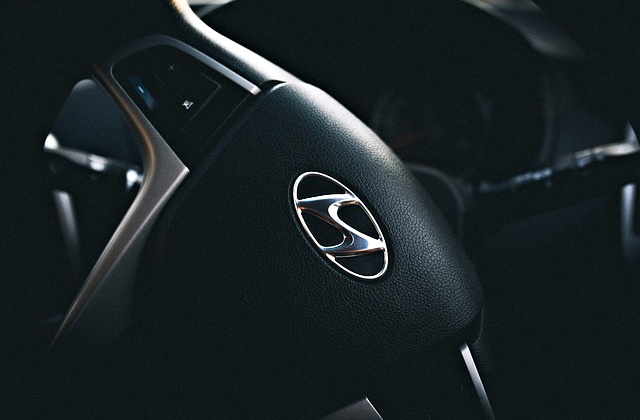
Hyundai Motor recently closed down its primary plant in China, but the company said on Tuesday, Feb. 23, that this is just a temporary setup. It was revealed that the reason for the closure was the slow sales this year.
As per Yonhap News Agency, Hyundai Motor shuttered its factory located in the southwestern city of Chongqing in China. The operations in the said plant were first suspended earlier this year, and this was carried out in an effort to improve production efficiency amid the stiff competition in the auto market.
In a statement that was sent to YNA, the Korean automaker stated, "The Chongqing factory is a small-car oriented factory, and we have temporarily halted its operation as we have stopped producing small vehicle models under our strategy of enhancing the efficiency of and upgrading our product lineups. We are pursuing and planning various measures to tide over the slump.
Yicai Global, a local news outlet in China, reported this week that some sources revealed most of the employees at the factory were already placed on leave due to the closure. Hyundai Motor's Chongqing facility is one of the four plants that is being operated by Beijing Hyundai, a joint venture firm that was established by the Korean car brand and China's BAIC Motor.
Beijing Hyundai also has two other plants, and they are located in Changzhou and Beijing. In 2017, the company invested ₩1.6 trillion or around $1.3 billion to construct the Chongqing factory. This factory is capable of producing 300,000 vehicle units per year and mostly produces the localized version of Hyundai's Encino and Verna models.
Market analysts suggested that the cause of Hyundai Motor's slow sales in China could be related to Beijing's economic retaliation against S. Korea. The Chinese government has been protesting Seoul's decision to allow the deployment of an advanced U.S. Terminal High Altitude Area Defense (THAAD) missile defense system in the country. In fact, many other business sectors were also affected by this issue.
Meanwhile, in October last year, The Korea Times reported that Hyundai's sales were already declining at this time due to the tensions created by the THAAD. Since then, the company has been putting a lot of effort into reviving sales by launching new models for the Chinese market.
Not long ago, Hyundai brought its Genesis luxury car brand in China, and it is also aiming to introduce 20 electric vehicle models in the country by the year 2030. Currently, Hyundai Motor still has four plants operating in China, including the shuttered Chongqing plant.













