


 Paramount-Warner Bros. Discovery Merger Faces Lawsuit From 12 States
  Goldman AM Sees Strong Buyout Opportunities in Japan, South Korea and Australia
  Apple Sues OpenAI, Former Employees Over Alleged Trade Secret Theft
  SK Hynix Soars 13% in Nasdaq Debut After Record $26.5 Billion IPO
  UBS Starts CarTrade Tech With Buy Rating, Sees Strong Earnings Growth and ₹4,000 Target
  SK Hynix Shares Drop After Strong Nasdaq Debut Despite $26 Billion ADR Listing
  Australia Flags Child Safety Gaps at Apple, Meta, Google Over Online Sexual Extortion
  Levi Strauss Raises 2026 Outlook After Q2 Earnings Beat, Shares Drop Despite Strong Results
  Kitron Q2 Revenue Beats Estimates as Defense Demand Lifts Growth
  Yaskawa Electric Shares Slide as Weak Profit Overshadows Strong AI Demand
  TSMC Q2 Revenue Surges 36% as AI Chip Demand Powers Growth Ahead of Earnings
  Nippon Paint Reportedly Offers Up to €7.5 Billion for Akzo Nobel Decorative Paints Business
  Elon Musk Says Anthropic Leads AI Race as Claude Models Challenge OpenAI
  SK Hynix Prices Record U.S. ADR Offering at $149 After $200 Billion Investor Demand
  SoftBank Corp Partners With Sierra to Expand AI Customer Support Across Japan
  Samsung Chairman Lee Jae-yong Expected to Meet Nvidia CEO Jensen Huang on AI and Chip Partnership
  Genesis Minerals to Acquire Vault in A$5.6 Billion Deal After Regis Withdraws


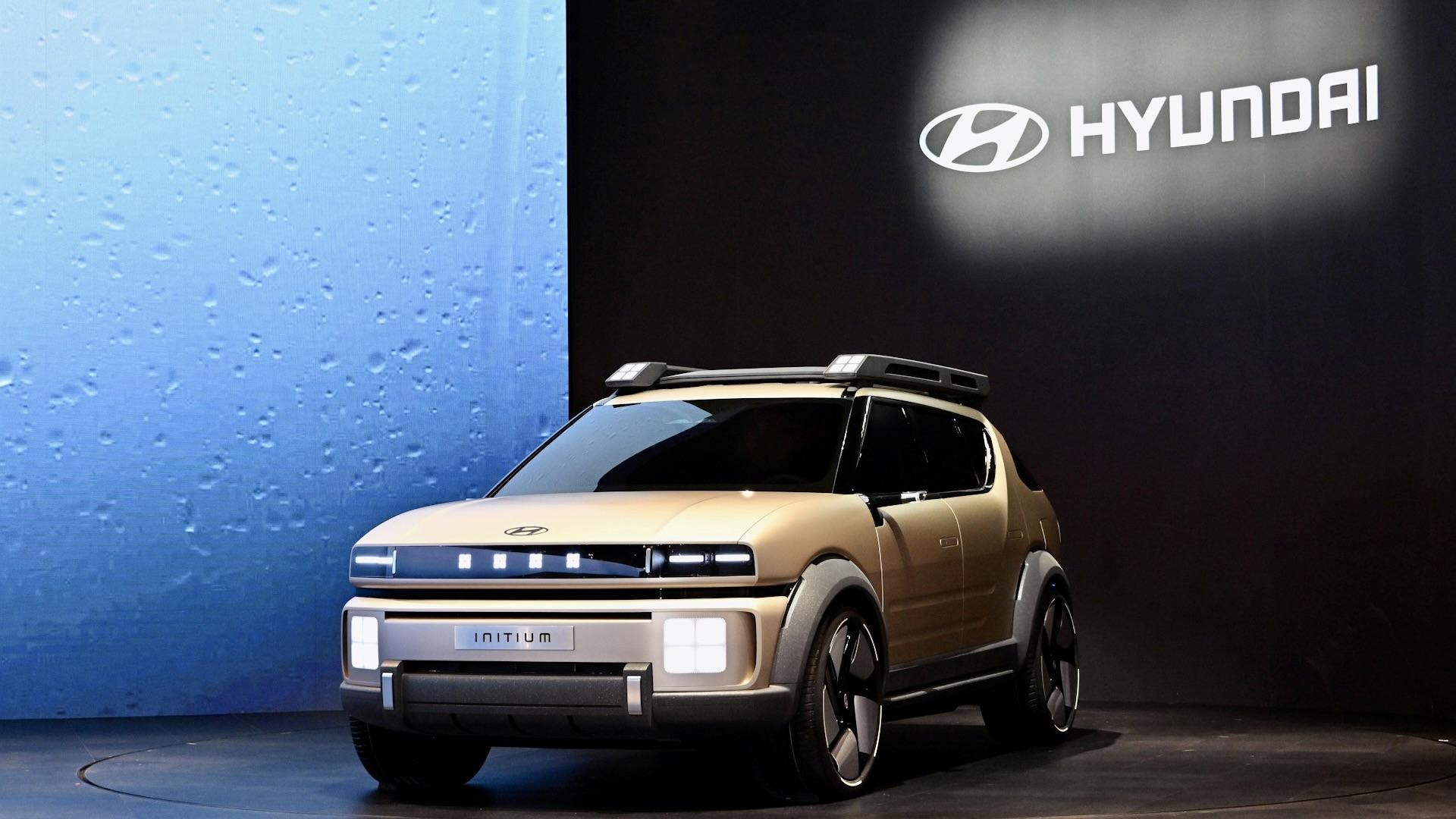
Hyundai Motor Co. shares fell sharply on Tuesday after U.S. President Donald Trump announced plans to increase tariffs on certain South Korean imports, citing delays by Seoul in implementing a recent trade agreement with Washington. The comments rattled investor sentiment around South Korea’s export-heavy auto sector, sending Hyundai and Kia shares lower despite broader market resilience.
Hyundai Motor (KS:005380) dropped as much as 5% in early trading, marking its fourth consecutive session of losses. The decline came after the stock had reached a series of record highs earlier in the month, driven by optimism around future growth areas such as robotics and autonomous driving. Kia Corp (KS:000270), Hyundai’s sister company, also came under pressure, falling more than 3% during the session.
The two automakers are among South Korea’s largest exporters of vehicles to the United States, making them particularly sensitive to any changes in U.S. import tariffs. Trump stated that tariffs on South Korean autos, lumber, and pharmaceutical products would be raised to 25%, while criticizing the South Korean government for delays in enacting a trade deal with the U.S. However, he did not specify when the tariff increases would take effect, leaving room for uncertainty and speculation in the markets.
Hyundai has previously announced a range of investments in the United States, aiming to strengthen its local manufacturing footprint and reduce exposure to potential trade barriers. These efforts were widely seen as an attempt to appease the Trump administration and mitigate the risk of steep tariffs on imported vehicles.
While Hyundai shares underperformed, the broader South Korean stock market showed relative strength. The benchmark KOSPI index gained around 0.7%, supported by advances in major chipmakers, as investors appeared to downplay the immediate impact of Trump’s remarks.
Still, analysts noted that Hyundai remained vulnerable to profit-taking after its strong recent rally. With tariff uncertainty resurfacing and investors reassessing near-term risks, Hyundai and Kia stocks could continue to face volatility, particularly if trade tensions between the U.S. and South Korea escalate further.







