


 SK Hynix Q2 Profit Hits Record as AI Memory Chip Demand Fuels Growth
  Exosens H1 Profit Beats Forecasts as Defense Demand Drives Growth
  Sika Raises 2026 Sales Outlook After Strong First-Half Results Beat Expectations
  CXMT IPO Debut in Shanghai Puts $85.5 Billion Chipmaker in Spotlight
  Nvidia Eyes $250B Guarantee for OpenAI’s Massive Ohio AI Data Center Project
  Zhongji Innolight Raises $6.8 Billion in Hong Kong IPO as AI Demand Fuels Growth
  TSMC Gradually Restarts Japan Chip Plant After Kumamoto Earthquake
  AstraZeneca Q2 Earnings Beat Forecasts as Oncology Growth Supports 2026 Outlook
  Barclays Q2 Profit Beats Forecasts as Investment Banking Strength Offsets Higher Costs
  Standard Chartered Beats Profit Forecasts as First-Half Earnings Rise 9%
  X Challenges Australia’s Expanded Social Media Ban Enforcement Powers
  CATL Shares Jump as $5.6 Billion Buyback Signals Confidence in Long-Term Growth
  GSK Unveils $2.52 Billion Cost-Cutting Plan to Accelerate Drug Pipeline
  Philips Shares Slide 10% Despite Earnings Beat as Weak Orders Raise Growth Concerns
  Seagate Stock Jumps as AI-Fueled Earnings Beat and Strong FY2027 Outlook Impress Investors
  Rio Tinto Stock Jumps as Strong Earnings, Higher Dividend and AI Metal Demand Boost Outlook
  ASML, Applied Materials Slide as China DUV Chip Equipment Breakthrough Sparks Market Jitters


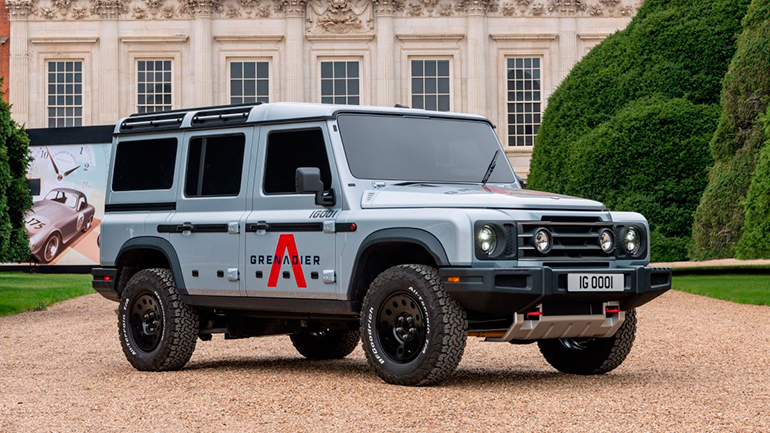
South Korean automaker Hyundai Motor and UK chemicals company Ineos have signed an MoU to jointly explore new opportunities for the production and supply of hydrogen and the worldwide deployment of hydrogen applications and technologies.
The companies plan to introduce a new hydrogen-electric Grenadier SUV being developed by Ineos Automotive, a subsidiary of Ineos, which would be installed with Hyundai’s fuel cell system.
Ineos Automotive has applied Hyundai Motor’s vehicle fuel cell system to its hydrogen-powered SUV Nexo, which has the longest driving range among hydrogen-powered vehicles in the market.
Kim Sae-hoon, senior vice president and head of fuel cell center at Hyundai Motor, lauded Ineos’ move into fuel cell electric vehicle and hydrogen ecosystem development as another milestone toward sustainable and clean transportation.
Kim added that Ineos move will provide an important low-carbon option across a wide range of sectors and hopes it would result in the mass production of green hydrogen and fuel cells for the Grenadier.”
The two companies will also cooperate in creating hydrogen-related business opportunities in Europe and have formed a consultative body to work closely with the EU, European governments, and private companies to seek immediate business opportunities.
The EU's goal is to drastically increase the production of green hydrogen and expand investment in hydrogen-related infrastructure such as storage, distribution, transportation, and charging through the establishment of hydropower facilities.

Hyundai was the first to mass-produce fuel cell electric vehicles which it did in 2013. The company's mid-to-long-term road map, Fuel Cell Vision 2030, which was announced in 2018, is meant to increase its annual production of hydrogen fuel cell systems to 700,000 units by 2030.
Ineos is developing and building clean hydrogen capacity across Europe in support of the drive toward a zero-carbon future. The company produces 300,000 metric tons of hydrogen annually, mainly as a by-product from its chemical manufacturing operations.







