


 Gold Prices Climb as Trump Delays Iran Strike, Boosting Safe-Haven Demand
  Gold Prices Steady as Iran War Fuels Inflation and Rate Concerns
  The ghost of Robodebt – Federal Court rules billions of dollars in welfare debts must be recalculated
  Australia Regulator Flags Private Credit Risks Amid Global Market Uncertainty
  Japan Manufacturing Growth Slows in May as Services Sector Stagnates Amid Rising Middle East Supply Costs
  JPMorgan Sees Large-Cap Biotech Stocks Entering New Growth Phase in 2026
  Why have so few atrocities ever been recognised as genocide?
  SpaceX Eyes AI Computing Expansion Ahead of Historic IPO
  Anthropic Revenue Surge Signals Strong AI Market Momentum in 2026
  Glastonbury is as popular than ever, but complaints about the lineup reveal its generational challenge
  Every generation thinks they had it the toughest, but for Gen Z, they’re probably right
  Asian Stocks Mixed as Tech Shares Slide Ahead of Nvidia Earnings
  X Corp Loses Legal Battle Over Australia Child Safety Fine
  Takeda Hit With $885M Verdict Over Amitiza Generic Drug Delay Scheme
  New Zealand Budget 2026: Government Plans Major Public Service Job Cuts Ahead of Election
  Booked to travel through the Middle East? Here’s why you shouldn’t cancel your flight


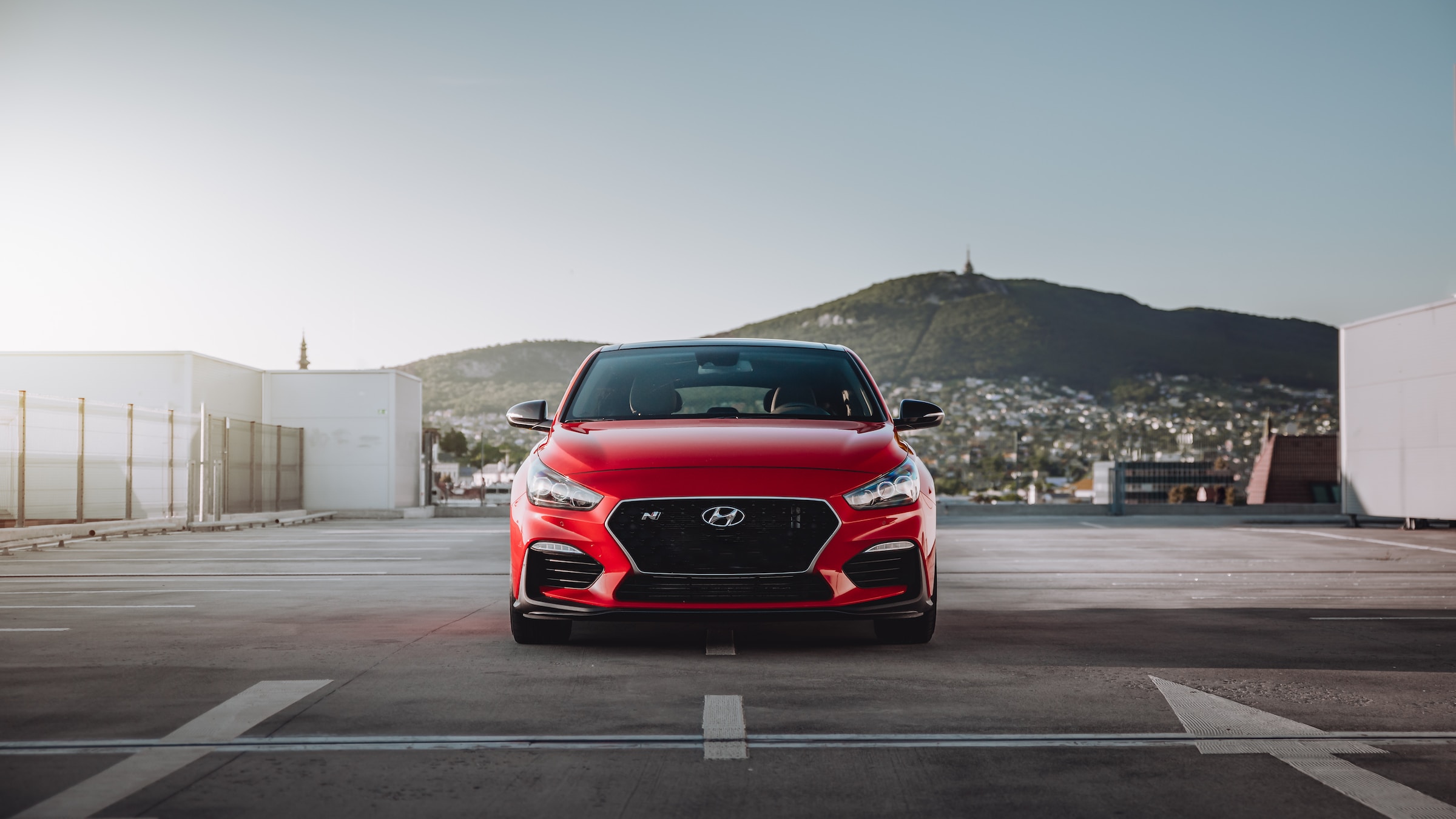
Hyundai Motor solidified its lead in Indonesia's EV market with a 56.5% share, primarily driven by consumers' soaring popularity of its IONIQ 5 model.
Hyundai Motor sold an impressive 3,913 EVs in Indonesia from January to July. This figure surpassed the 28.1 percent market share held by Chinese EV maker Wuling, which sold 1,944 EVs during the same period. Wuling had been the local market leader in the preceding year.
Indonesia, renowned as the world's fourth most populous country with a population of 277 million, offers immense market potential for automakers. Hyundai Motor recognizes this and has strategically positioned the IONIQ 5 as the first EV model to be locally produced in Indonesia, aiming to tap into the growing demand for eco-friendly vehicles.
With ambitions to further expedite the electrification transition in Indonesia, Hyundai Motor plans to capitalize on the country's abundant resources, including nickel, a crucial component for EV batteries. The company plans a joint battery cell plant in Indonesia, built in collaboration with LG Energy Solution. Once operational next year, this facility will enable Hyundai Motor to bolster its presence in the local EV market, backed by a secure supply chain.
Hyundai Motor's advancements in Indonesia extend beyond the EV sector. The automaker has progressively improved its overall market position, rising from 13th place in 2021 to a commendable sixth position in July.
The company has achieved remarkable growth, with sales surging over tenfold from 3,005 vehicles in 2021 to an impressive 31,965 units in 2022, coinciding with the commencement of local production. Notably, Hyundai Motor sold 20,065 vehicles in the first half of this year alone.
Although Hyundai Motor has shown significant progress, there remains a considerable gap between market leader Toyota, which commands a 32.5 percent market share, and Hyundai Motor, with a 3.4 percent share. Nevertheless, Hyundai Motor remains optimistic and is committed to expanding its share in Indonesia, a market long dominated by Japanese automakers with over half a century of presence.
In line with its growth strategy, Hyundai Motor recently signed a memorandum of understanding with Lippo Malls Indonesia, the nation's largest retailer. This agreement aims to accelerate the installation of EV charging stations at 52 malls operated by Lippo Malls Indonesia.
Photo: Martin Katler/Unsplash







