


 AstraZeneca Q2 Earnings Beat Forecasts as Oncology Growth Supports 2026 Outlook
  BHP, Port Hedland Unions Fail to Reach Wage Deal as Negotiations Continue
  TSMC Gradually Restarts Japan Chip Plant After Kumamoto Earthquake
  Stellantis Sells Free2move Car-Sharing Business to Mutares to Strengthen Core Auto Strategy
  TeamViewer Shares Fall Despite Profit Growth as ARR and Customer Base Decline
  Seagate Stock Jumps as AI-Fueled Earnings Beat and Strong FY2027 Outlook Impress Investors
  Air Liquide Q2 Sales Growth Tops Forecast as Electronics Business Drives Strong Performance
  ASML, Applied Materials Slide as China DUV Chip Equipment Breakthrough Sparks Market Jitters
  Standard Chartered Beats Profit Forecasts as First-Half Earnings Rise 9%
  CXMT IPO Debut in Shanghai Puts $85.5 Billion Chipmaker in Spotlight
  Barclays Q2 Profit Beats Forecasts as Investment Banking Strength Offsets Higher Costs
  Tech Stock Positioning Nears Neutral as Investor Rotation Enters Final Phase, Deutsche Bank Says
  GSK Unveils $2.52 Billion Cost-Cutting Plan to Accelerate Drug Pipeline
  Galp Shares Fall After Q2 EBITDA Miss Despite Profit Beat and Higher Dividend
  Nvidia Eyes $250B Guarantee for OpenAI’s Massive Ohio AI Data Center Project
  SK Hynix Q2 Profit Hits Record as AI Memory Chip Demand Fuels Growth
  Unilever Raises 2026 Sales Outlook After Strong Q2 Volume Growth


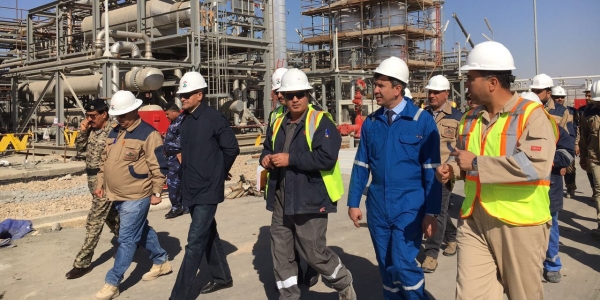
Hyundai Engineering & Construction Co. has clinched a 2.2 trillion-won deal to build a residue upgrading facility in the southern state of Basra.
It will break ground for the facility in January and or completion by July 2025.
The facility uses residue left after refining crude oil to produce such high-valued chemical products as propylene and gasoline.
Hyundai E&C recently bagged a 375 billion won deal with the Philippine government to build two station buildings and a 17 kilometer-long railway on elevated bridges as part of the Malolos to Clark Railway Project (PKGI) for the next four to five years.
The company reported a third-quarter net income of 83.8 billion won, down 61.6 percent from the previous year.







