


 Prysmian, Rio Tinto Supply Low-Carbon Cables for Amazon Ohio Data Center
  Guterres Urges Stronger Global AI Safeguards Ahead of UN Assembly
  Who should own the knowledge that underpins AI technology?
  Rosenblatt Starts Nokia at Buy on AI Networking Growth
  fnny Beta Launches With a Simple Idea: Find an Event, Show Up, Get Rewarded
  Westinghouse Targets $50 Billion Valuation in U.S. IPO
  Meta Partners With Shopify to Bring Shop Pay Checkout to Muse AI
  Japan, U.S. Discuss $19 Billion GlobalFoundries Chip Plant
  FCC Approves Foreign Investment in $110B Paramount-Warner Bros. Deal
  Volkswagen Shares Slide After 2026 Profit Outlook Cut
  FAA Allows Boeing to Sell 35 More 777F Freighters Beyond 2028
  Volvo Cars Plans 13 New Models by 2030 to Boost Sales
  Databricks to Invest $350 Million in Singapore AI Expansion
  Nvidia CEO Jensen Huang Expected at Trump-Xi State Dinner
  Allegro Raises 2026 Outlook as International GMV Surges
  SoftBank Shares Jump 8% as SB Energy IPO Optimism Builds
  Hyundai CEO Warns Chinese Automakers Could Disrupt US Market


 Add as a preferred source on Google
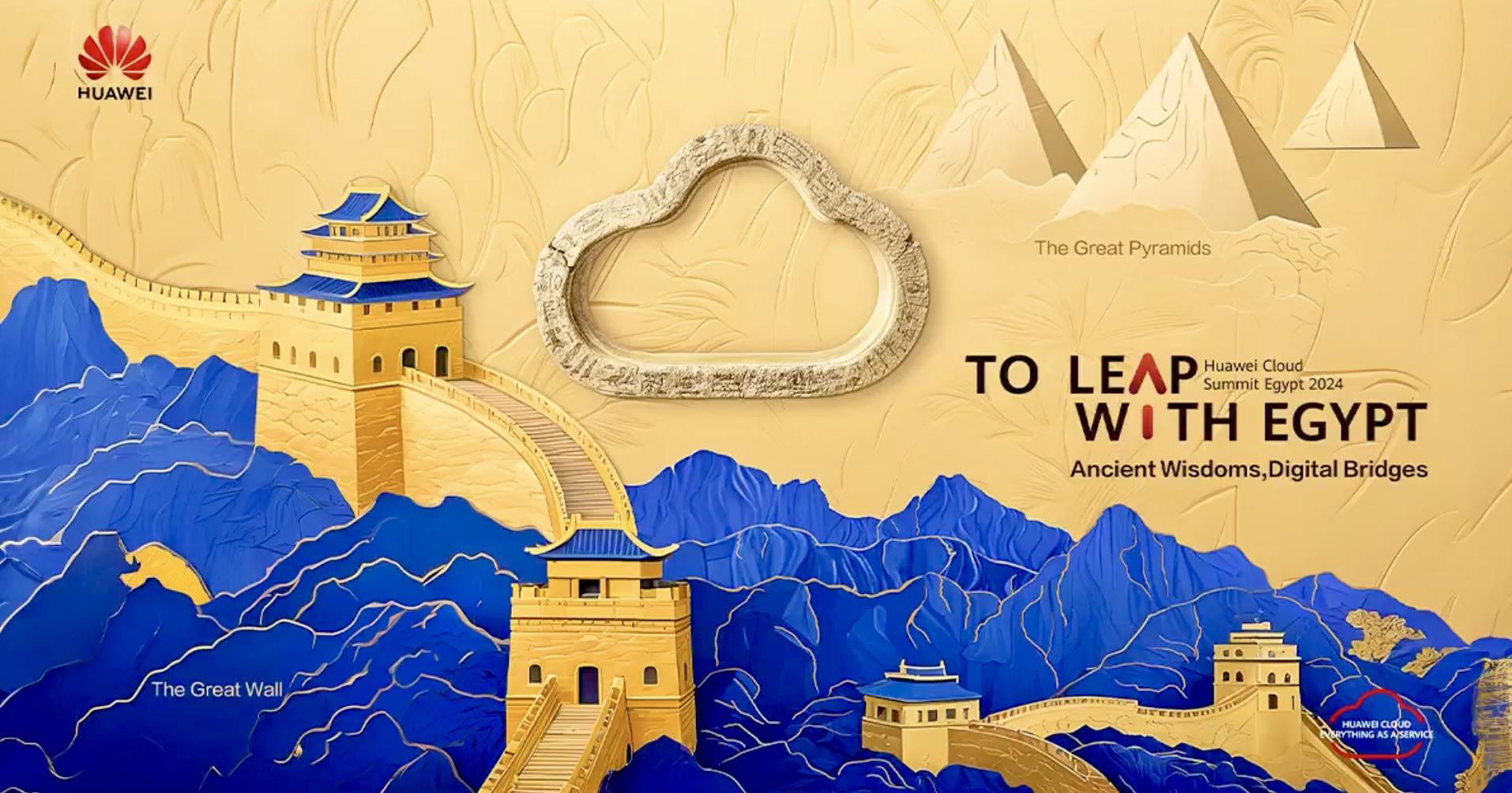
In Cairo, Huawei, a Chinese tech behemoth, introduced Egypt's first public cloud service and an Arabic large language model (LLM) to capitalize on the region's growing demand for generative artificial intelligence (AI).
Modern Standard Arabic LLM for Practical Business Applications
South China Morning Post (SCMP) reports that a statement from the company's cloud unit revealed that the Arabic LLM, a 100 billion parameter model developed on Huawei's in-house Pangu, has been meticulously trained using local data. This ensures a deep understanding of the Arab world's unique culture, history, knowledge, and customs, making it a genuinely local AI solution.
William Dong, president of Huawei Cloud's marketing, shared at the company's Cloud Summit in Cairo that the LLM, trained in modern standard Arabic, offers practical business applications. It can assist in creating AI models tailored to different local languages in the Arabic-speaking world, benefiting industries such as banking and education.
AI Models to Preserve Local Culture
With an accuracy rate of 96%, Huawei claims that its LLM's automatic speech recognition capability can cover more than 20 Arabic-speaking nations. The model was also trained using industry data sets covering digital power, oil and gas, and finance to support different sectors.
Global marketing and sales services president at Huawei Cloud, Jacqueline Shi, stated, "We believe that every country should have AI capabilities to preserve [their] local culture and that AI models should be developed and trained with local languages, enabling vertical industries to become more efficient."
Huawei's Role in MENA's Technology and Data Center Development
Huawei also showed off Egypt's first public cloud service center, which will help train tens of thousands of developers and tech experts and facilitate the opening of the nation's consumers' digital transformation prospects.
Huawei Central shares that Huawei Cloud is heavily involved in creating cutting-edge technologies and data centers in the Middle East and North Africa. Additionally, according to reports, the OEM is now the first company in the world to provide public cloud services in Egypt.
Photo: Huawei Egypt/X







